
Spondylolysis and Spondylolisthesis

Spondylolysis and Spondylolisthesis: Causes, Symptoms & Treatment

What Are Spondylolysis and Spondylolisthesis?

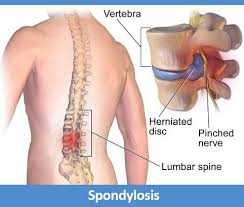
Spondylosis
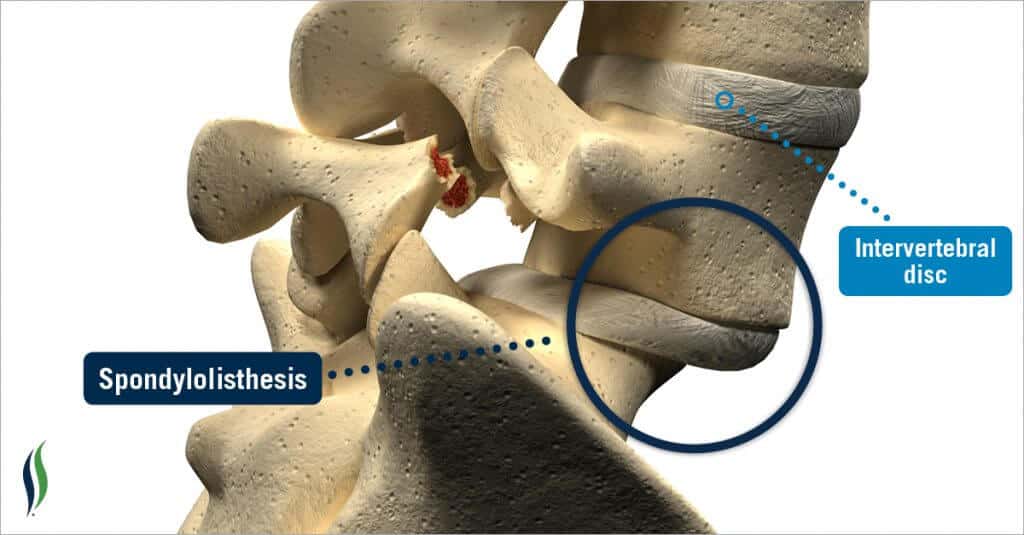
Spondylolisthesis

The spine is designed to both protect the spinal cord and allow movement. While strong and flexible, spinal structures can still develop stress-related injuries. Two commonly misunderstood spinal conditions are spondylolysis and spondylolisthesis.

  • Spondylolysis is a stress fracture of a small section of the vertebra called the pars interarticularis.
  • Spondylolisthesis occurs when this fracture causes the vertebra to slip forwards or backwards, creating instability.

These conditions most often affect the lower lumbar spine (L4–L5) and may range from mild to more severe depending on the degree of vertebral slippage.

Understanding the Differences

Spondylolysis

A stress fracture in the pars interarticularis without vertebral slippage.

Spondylolisthesis

A progression of spondylolysis where the fractured vertebra shifts out of place.
It is graded from mild to severe depending on the extent of the shift.

What Causes These Conditions?

In Young People:

  • Repetitive spinal extension (common in gymnastics, football, cricket fast bowlers, weightlifting)
  • Sudden trauma forcing the spine backwards
  • Rapid growth spurts during adolescence
  • Genetic predisposition to weaker bone structure

In Older Adults:

  • Degenerative spinal changes
  • Osteoporosis
  • Spinal arthritis
  • Previous injuries
  • Rarely, infection or tumour

Common Symptoms

Some individuals may not experience symptoms at all. When symptoms do appear, they may include:

  • Aching pain in the lower back
  • Pain increasing with walking, running, or leaning backward
  • Tight hamstrings
  • Reduced flexibility
  • Pain easing when bending forward
  • In severe cases: leg numbness, tingling, or weakness due to nerve compression
  • Difficulty standing or walking for long periods

How Physiotherapy Can Help

Physiotherapy is one of the most effective non-surgical treatments for spondylolysis and spondylolisthesis. A physiotherapist can:

  • Conduct a thorough assessment
  • Identify contributing factors such as weakness or stiffness
  • Provide targeted strengthening for the core and lower back
  • Improve flexibility of the hamstrings and hip muscles
  • Guide safe return to sport or daily activities
  • Offer ergonomic and activity modification advice
  • Teach correct movement patterns to prevent further stress

In rare cases of severe instability, surgery may be required—but most individuals improve significantly with consistent physiotherapy.

Why Choose Masnad Health Clinic?

At Masnad Health Clinic, our physiotherapists specialise in spine-related conditions, ensuring you receive accurate assessment, tailored treatment, and ongoing support. With evidence-based care, modern equipment, and a patient-centred approach, we help you reduce pain, improve mobility, and return to normal life with confidence.

Conclusion

  1. Spondylolysis and spondylolisthesis are common spinal conditions that often improve without surgery.
  2. Early assessment, strengthening, and proper load management are essential for reducing symptoms and improving spinal stability.
  3. With a personalised physiotherapy program, most people regain comfort and function safely.

For all your Spondylolysis & Spondylolisthesis concerns, feel free to call us at 02 9793 8840 or Book an Appointment today.

FAQ about Spondylolysis & Spondylolisthesis

No. Spondylolysis is a stress fracture; spondylolisthesis is the slipping of the vertebra.

Many mild cases improve with rest and physiotherapy.

Heavy lifting and deep back extension movements.

Yes. Core and back strengthening greatly reduces symptoms.

If pain worsens or you notice numbness or leg weakness.