

Fatigue, Stress & Anxiety: Why You Feel Constantly Drained
Feeling exhausted has become so common that many people believe it’s simply…

A Complete Guide by Masnad Health Clinic
Physiotherapy plays a vital role in helping people move better, feel stronger, and live with less pain. While many Australians have seen a physiotherapist at some point in their lives, it’s still one of the most commonly asked questions in healthcare: what does a physiotherapist actually do?
Whether you’re dealing with pain, recovering from injury, managing a long-term condition, or simply wanting to move better, physiotherapists are trained to support you at every stage of life.
In this guide, we explain exactly what physiotherapists do, how they help, who they treat, and when you should consider seeing one.
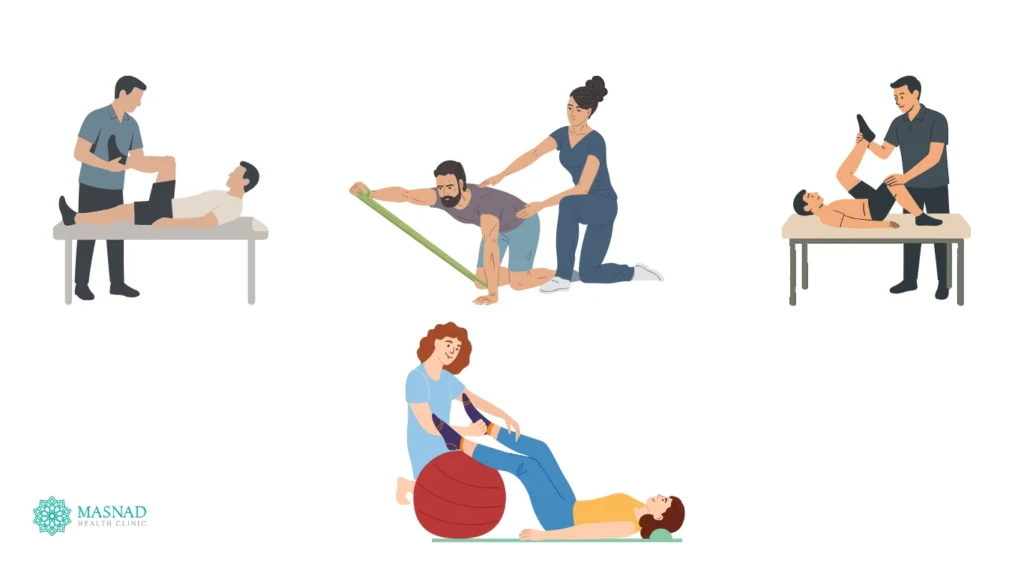
Physiotherapy is a healthcare profession focused on movement, function, and physical wellbeing. Physiotherapists assess how your body moves, identify the source of pain or dysfunction, and develop personalised treatment plans to help you recover and prevent future issues.
Physiotherapy is evidence-based, meaning treatments are guided by research and clinical expertise rather than quick fixes or temporary relief.
Physiotherapists do far more than just exercises and massage.
At the core of physiotherapy is understanding why pain or movement problems exist, then treating the cause-not just the symptoms.
Physiotherapists help by:
Pain is often what brings people into the clinic, but pain frequently causes people to stop doing the things they enjoy-sport, work, exercise, or even daily tasks. A physiotherapist’s role is to help you return to full function safely and confidently.
Physiotherapists treat a wide range of conditions across the entire body, including:
Physiotherapists work with everyone, from children and athletes to older adults and people living with disability.
A physiotherapy session typically includes:
Your physiotherapist will:
You’ll receive a clear explanation of:
Education is a key part of treatment-understanding your body helps you recover faster and with confidence.
Depending on your needs, treatment may include:
Physiotherapists guide you through recovery with:
The goal is always long-term improvement, not dependency on treatment.
No.
While exercises and hands-on therapy are important tools, physiotherapy is much broader.
Physiotherapists are:
A major focus of physiotherapy is empowering patients to manage their condition independently. Rather than creating reliance on treatment, physiotherapists teach you how to care for your body effectively.
You should consider seeing a physiotherapist if you:
Early assessment often leads to faster recovery and prevents long-term issues.
Physiotherapists play a crucial role in helping people manage pain, restore movement, and improve quality of life. From injury recovery to performance optimisation and long-term health, physiotherapy supports your body at every stage.
If pain, stiffness or weakness is holding you back, early physiotherapy care can make all the difference.
For all your physiotherapy concerns, feel free to call us at 02 9793 8840 or Book an Appointment Today.
No, you can book directly without a GP referral.
This depends on your condition, goals, and response to treatment.
Treatment may feel uncomfortable at times, but it should not be painful.
Yes, physiotherapy is highly effective for managing long-term pain.
No, physiotherapy also focuses on prevention, movement quality and overall health.
Many people live with pain, stiffness, or movement restrictions for weeks, months, or even years before seeking professional help.
Many people live with pain, stiffness, or movement restrictions for weeks, months, or even years before seeking professional help.

Are you in pain? Not sure if we can help you?
Book your initial appointment and receive 10% off any service!