
Allergies & Skin Conditions: Looking Beyond the Surface
Healthy skin is about more than what you apply to it. If…


“The son of Adam fills no vessel worse than his stomach. It is sufficient for the son of Adam to eat a few mouthfuls to keep his back straight. But if he must fill it, then one third for his food, one third for his drink and one third for his breath.”
Jami’ al Tirmidhi
Over 1,400 years ago, the Prophet Muhammad ﷺ emphasised the importance of moderation in eating. Today, modern research continues to demonstrate just how closely our digestive system is connected to overall health.
While the gut is responsible for digesting food and absorbing nutrients, its role extends far beyond digestion alone. It interacts with the immune system, communicates with the brain, contributes to the regulation of inflammation and plays an important role in maintaining overall wellbeing.
At Masnad Health Clinic, we recognise that digestive symptoms such as bloating, reflux, constipation or diarrhoea are often only part of the story.
Our approach to naturopathy considers your digestive symptoms alongside factors such as nutrition, lifestyle, sleep, stress, medical history and existing healthcare to better understand what may be contributing to how you feel.
Gut health broadly refers to how well your gastrointestinal system functions, including digestion, nutrient absorption, bowel function, the intestinal barrier and the community of microorganisms living within the digestive tract.
There is no single measure that defines a “healthy gut”. Digestive health is influenced by many factors, including diet, medications, stress, sleep, physical activity, medical conditions and the composition and function of the gut microbiome.
Understanding these different factors is important because persistent digestive symptoms can have many possible causes and should not automatically be attributed to one particular issue.
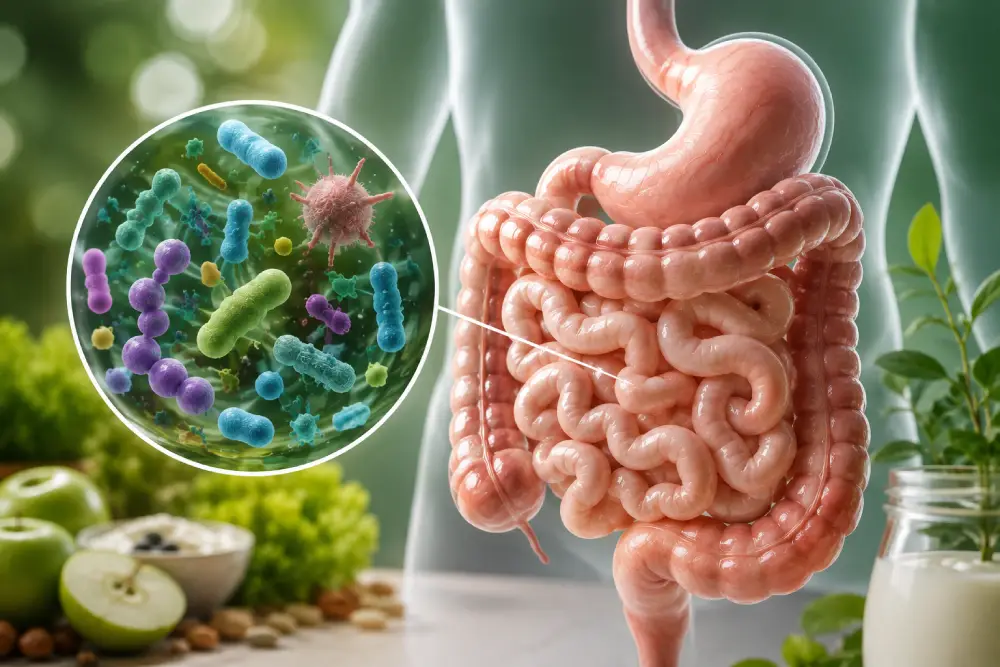
Your digestive tract is home to trillions of microorganisms collectively known as the gut microbiome.
These bacteria, fungi and other microbes exist within a complex ecosystem and perform many functions that contribute to human health.
The gut microbiome helps digest dietary fibre and produce beneficial short chain fatty acids, interacts with the immune system, contributes to intestinal barrier function and communicates with other systems throughout the body.
It also plays a role in protecting the digestive environment from potentially harmful microorganisms.
Just as every ecosystem relies on balance, the composition and function of the gut microbiome can change in response to factors such as diet, illness, medication, lifestyle and the environment.
Researchers are continuing to investigate how these changes may influence digestive and broader health outcomes.
A significant amount of immune activity occurs within and around the gastrointestinal tract, including through specialised tissue known as gut associated lymphoid tissue, or GALT.
This immune network continually encounters food components, microorganisms and other substances entering the digestive system.
Part of its role is helping the immune system respond appropriately to potential threats while tolerating substances that are harmless.
This close relationship between the gut and immune system is one reason digestive health is increasingly studied in relation to allergies, inflammation and immune mediated conditions.
You may have heard the term “leaky gut” used online.
The more precise medical term is increased intestinal permeability.
The intestinal barrier helps regulate what passes from the digestive tract into the rest of the body. Alterations in this barrier have been observed in association with a range of gastrointestinal and immune mediated conditions.
However, increased intestinal permeability should not be assumed to be the cause of every digestive, immune or skin concern.
Research into the intestinal barrier and its relationship with disease continues to evolve.
Have you ever noticed that stress can upset your stomach?
Or that ongoing digestive symptoms can leave you feeling mentally exhausted?
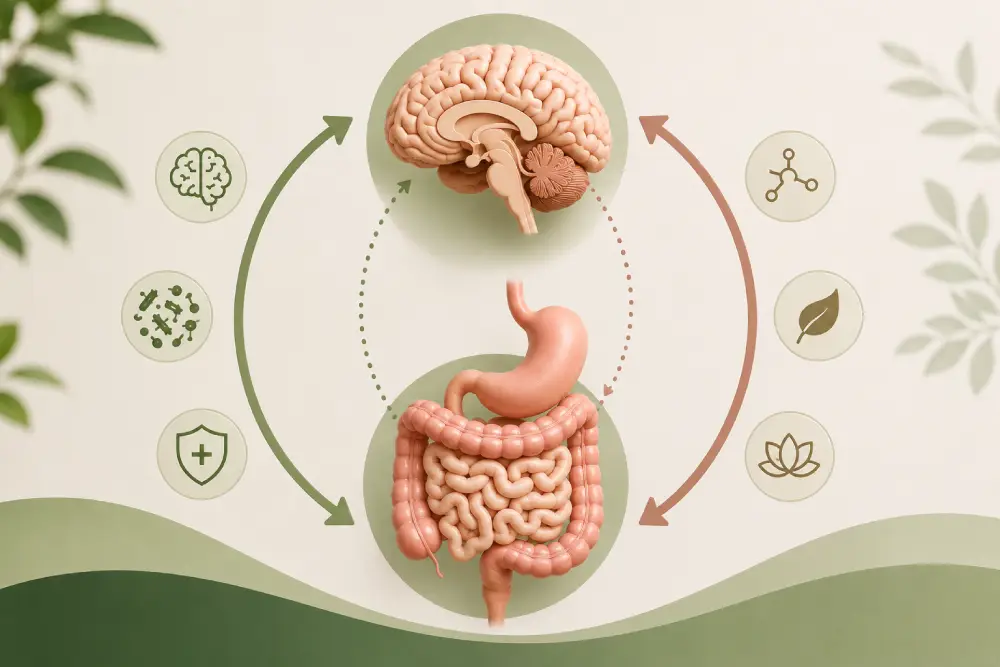
The relationship exists partly because the gut and brain communicate through what is known as the gut brain axis.
Communication occurs through several pathways involving the nervous system, immune system, hormones and metabolites produced by gut microorganisms.
Interestingly, the majority of the body’s serotonin is produced within the gastrointestinal tract.
This does not mean that serotonin produced in the gut directly determines your mood. Much of it has important local functions within the gastrointestinal system.
However, it demonstrates just how biologically active the digestive system is and why researchers are increasingly interested in communication between the gut, microbiome and nervous system.
Research continues to investigate relationships between gastrointestinal health and experiences such as fatigue, concentration, stress and mood.
These symptoms can have many different causes, so persistent symptoms should be appropriately assessed rather than automatically attributed to the gut.
Irritable Bowel Syndrome, commonly known as IBS, is a disorder of gut brain interaction.
Symptoms can include abdominal pain, bloating and changes in bowel habits, including diarrhoea, constipation or a combination of both.
The connection between the gastrointestinal and nervous systems is particularly relevant in IBS.
For some people, medical management may include medications that influence communication between the gut and nervous system. These are sometimes referred to as gut brain neuromodulators.
Certain antidepressant medications, particularly tricyclic antidepressants, may be prescribed by a doctor at lower doses for selected people with IBS. Other medications may be considered depending on the person’s symptoms and circumstances.
This does not mean IBS is simply a psychological condition.
Instead, it demonstrates how closely the brain and gastrointestinal system communicate and why digestive symptoms may need to be considered from several different perspectives.
If you experience persistent or significant bowel symptoms, medical assessment is important to help determine whether IBS or another condition could be involved.
Digestive health is influenced by more than food alone.
Your dietary pattern, fibre intake, hydration, physical activity, sleep, stress and medications can all influence gastrointestinal function.
Antibiotics and some other medications can affect the gut microbiome. Stress can influence digestive function through the gut brain axis. Changes in routine, travel, illness and dietary habits can also affect bowel function.
This is why two people experiencing similar symptoms may require very different approaches.
Understanding the individual circumstances surrounding the symptoms is an important part of deciding what support may be appropriate.
At Masnad Health Clinic, we understand that digestive symptoms rarely have a single contributing factor.
A naturopathy consultation provides an opportunity to look more closely at your digestive health alongside your broader health and lifestyle.
Your consultation may consider your digestive symptoms, diet and nutrition, lifestyle, stress and sleep, medical history, current medications and available pathology results.
Rather than assuming the cause of your symptoms, the aim is to understand your individual presentation and identify areas that may benefit from further investigation or support.
Where appropriate, your personalised plan may include dietary and lifestyle recommendations, nutritional support where a nutritional insufficiency has been identified, herbal medicine within the practitioner’s scope of practice and collaboration with your GP or other healthcare professionals.

From a naturopathic perspective, we don’t simply ask:
“How can we improve digestion?”
We also consider:
“What factors may be contributing to these symptoms, and how might they relate to the person’s broader health?”
The digestive system interacts closely with the immune system, nervous system and many other aspects of health.
That does not mean the gut is responsible for every symptom or health condition.
Instead, digestive health is one piece of a much larger picture.
By considering the whole person rather than looking at symptoms in isolation, we can develop a more personalised approach to supporting digestive health and overall wellbeing.
If you’re experiencing ongoing bloating, reflux, constipation, diarrhoea or abdominal discomfort, understanding what may be contributing to your symptoms is an important first step.
Our naturopath at Masnad Health Clinic can discuss your digestive health, nutrition, lifestyle and existing healthcare and develop an evidence informed, personalised approach based on your individual circumstances.
Naturopathy consultations are available for clients in Bankstown, Lakemba and surrounding Sydney suburbs.
Not sure whether naturopathy is appropriate for you?
You can start with a free courtesy call to discuss your concerns and understand your options before booking an appointment.
Call (02) 9793 8840 or book online with Masnad Health Clinic.
Many people live with pain, stiffness, or movement restrictions for weeks, months, or even years before seeking professional help.
Many people live with pain, stiffness, or movement restrictions for weeks, months, or even years before seeking professional help.