

Herbal Medicine, Vitamins and Lifestyle Changes Explained
Introduction When people think of naturopathy, they often imagine herbal remedies or…

Ankylosing Spondylitis (AS) is a form of inflammatory arthritis that primarily affects the spine, leading to pain, stiffness, and reduced mobility over time. While it can be a lifelong condition, understanding how it works and knowing how physiotherapy can help makes a significant difference in maintaining function and quality of life.
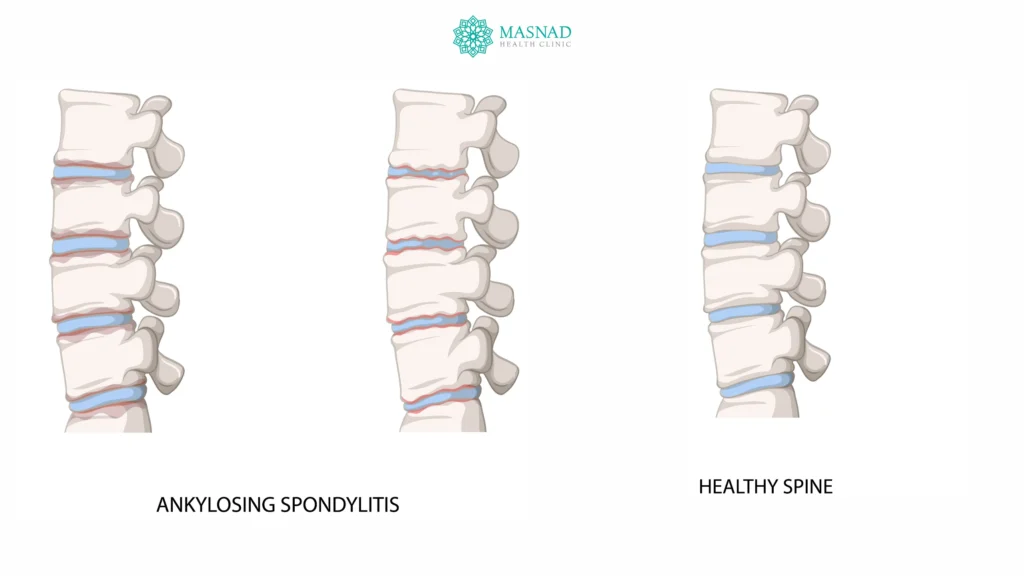
Ankylosing Spondylitis is an autoimmune condition where inflammation targets the spinal joints and ligaments. Over time, this inflammation can lead to hardening and fusion of spinal segments, often resulting in a forward-flexed posture.
Early symptoms usually include:
As AS progresses, it can affect other parts of the body, including the hips, shoulders, hands, feet, and ribs. Some people may also experience related issues such as irritable bowel symptoms or eye inflammation.
The exact cause of AS is not fully understood, but several factors are known to contribute:
While these factors increase the risk, the condition’s progression and severity vary widely between individuals.
The hallmark features of AS include:
In severe cases, AS can lead to limited spinal mobility, difficulty breathing due to rib cage stiffness, and reduced overall function.
Physiotherapy plays a key role in managing Ankylosing Spondylitis and slowing functional decline. Goals of treatment include:
Consistent physiotherapy has been shown to improve posture, reduce stiffness, and enhance quality of life for people living with AS.
In addition to physiotherapy, lifestyle strategies can help manage symptoms:
At Masnad Health Clinic, our physiotherapists provide individualised care for people with Ankylosing Spondylitis:
With ongoing support, most people with AS can maintain independence, manage pain, and preserve spinal function.
If you have Ankylosing Spondylitis or suspect you might, early physiotherapy assessment can help manage symptoms and maintain mobility.
Book your appointment online today
Or call us on (02) 9793 8840
Yes, regular physiotherapy and exercise maintain spinal mobility, reduce stiffness, and improve posture.
No, symptoms vary widely. Some experience mild, occasional discomfort, while others have frequent, severe flare-ups.
Yes. Besides the spine, it may involve hips, shoulders, ribs, hands, feet, and eyes.
Gentle movement, stretching, heat therapy, and guidance from a physiotherapist can help manage pain.
In advanced cases, fusion can occur, but early and consistent management slows progression and preserves function.
Many people live with pain, stiffness, or movement restrictions for weeks, months, or even years before seeking professional help.

Are you in pain? Not sure if we can help you?
Book your initial appointment and receive 10% off any service!