+Therapy)
Fatigue, Stress & Anxiety: Why You Feel Constantly Drained
Feeling exhausted has become so common that many people believe it’s simply…
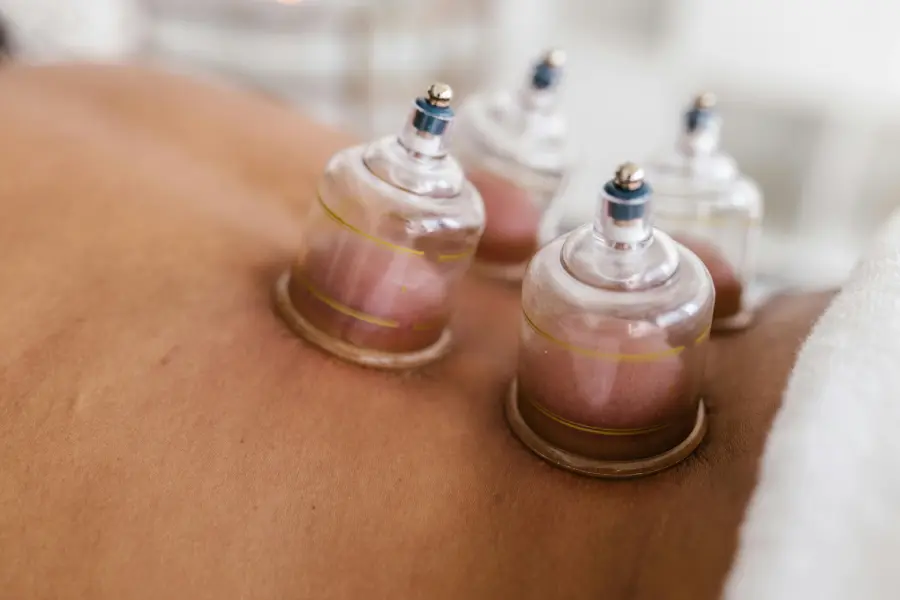
You may have noticed the distinctive circular marks on an athlete’s back at the Olympics, or perhaps a friend or family member has spoken about the relief they found through hijama. Either way, cupping therapy is one of the oldest and most respected healing practices in the world – and its popularity is well deserved.
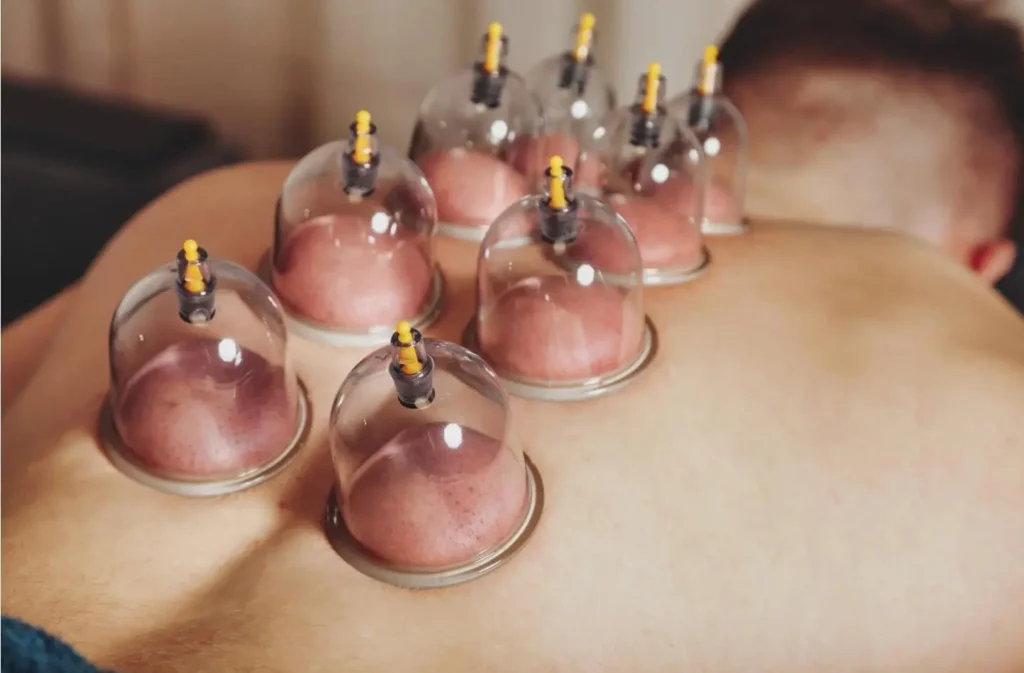
Cupping therapy, known in Islamic tradition as hijama, involves placing specialised cups on the skin to create suction. This suction draws blood and fluid to the surface, promoting circulation, relieving tension, and stimulating the body’s natural healing response. It has been practised for thousands of years across Middle Eastern, Chinese, and Egyptian cultures. In this blog, we’ll walk you through the key benefits of cupping therapy, what to expect during a session, who it can help, and how Cupping therapy can support your journey to better health.
Cupping therapy generally falls into two main categories, and understanding the difference helps you choose what’s right for you.
Cups are applied to the skin, and suction is created either by heat or a manual pump. The cups stay on for several minutes, drawing blood flow to the area. Dry cupping is excellent for muscle tension, stress relief, and localised pain.
Wet cupping, or hijama, is a two-stage process. First, dry cupping is performed to bring blood to the surface. Small, sterile superficial incisions are then made, and the cup is reapplied to draw out a small amount of blood. In Islamic medicine, hijama holds deep prophetic significance – the Prophet Muhammad (peace be upon him) recommended it as one of the best forms of treatment.
Cupping therapy offers a wide range of physical and well-being benefits.
1. Improved Blood Circulation
The suction created by cupping draws fresh, oxygenated blood to the treated area. Improved circulation means faster delivery of nutrients to injured or tight tissues, accelerating recovery and reducing inflammation. This is one reason cupping is highly valued for sports injury recovery and chronic muscle fatigue.
2. Relief from Muscle Tension and Pain
Cupping creates a negative pressure effect – essentially the opposite of a massage. Rather than pressing down on muscles, it lifts and separates tissue. This is particularly effective for deep-seated muscle knots (myofascial trigger points), tight fascia, and chronic tension in the neck, shoulders, and back. In addition, cupping helps reduce lactic acid buildup in overworked muscles, making it popular among athletes and manual workers alike.
3. Support for the Immune System
Wet cupping (hijama) is believed to help remove stagnant blood and metabolic waste products from the body. As a result, many clients report feeling a notable boost in their energy levels and overall sense of well-being following treatment. Research suggests that cupping may stimulate the immune system and support the body’s detoxification processes, complementing your overall health goals.
4. Stress Reduction and Mental Clarity
Beyond physical relief, many clients find cupping deeply relaxing. The treatment activates the parasympathetic nervous system – your body’s ‘rest and digest’ state – reducing cortisol levels and promoting a sense of calm. Many of our clients tell us that regular cupping sessions help them manage everyday stress and mental fatigue far more effectively than they expected.
5. Accelerated Injury Recovery
Whether you’re recovering from a sports injury, workplace strain, or post-operative stiffness, cupping can complement your physiotherapy treatment plan by reducing swelling, breaking up scar tissue, and improving joint mobility. At Masnad Health Clinic, cupping is often integrated with physiotherapy for injury recovery and exercise physiology programs for a truly multidisciplinary approach.
6. Spiritual and Emotional Well-being
For many of our clients, hijama is not just a physical treatment – it is an act of sunnah and a source of spiritual comfort. Our practitioners approach every hijama session with cultural sensitivity, respect, and care. We understand that healing is not purely clinical; it is deeply connected to faith, culture, and emotional well-being.
Cupping therapy can be recommended for a range of conditions, including:
Please note: cupping therapy is not a standalone diagnosis or cure. It is most effective as part of a broader, personalised treatment plan designed in consultation with your Masnad health practitioner. Always speak to your practitioner before beginning any new treatment.
If you’ve never had cupping therapy before, it’s completely natural to have questions. Here’s a step-by-step look at what a typical session involves:
One of the things that sets Masnad Health Clinic apart is our genuinely multidisciplinary model of care. We don’t believe in one-size-fits-all treatments. Instead, we work collaboratively across disciplines to design a plan that’s tailored to you.
Cupping therapy is often combined with:
This integrated approach means that when you come to Masnad, you’re not just getting a cupping session – you’re getting a whole-person health strategy, delivered by a team that genuinely cares about your community.
To maximise the benefits of cupping (hijama) therapy, our practitioners recommend the following:
Furthermore, integrating cupping therapy with healthy lifestyle choices – good nutrition, consistent sleep, stress management, and regular movement – supports long-term health outcomes and helps you get more from every session.
Since 2012, Masnad Health Clinic has been a trusted healthcare home for families across Sydney’s south-west – including Bankstown, Lakemba, Punchbowl, Greenacre, Chullora, and Yagoona. Here’s what makes us the go-to choice for cupping and allied health care in the area:
If you’re ready to experience the benefits of cupping therapy – whether for pain relief, stress, recovery, or spiritual wellbeing – our team at Masnad Health Clinic is here to help.
Our experienced, culturally aware practitioners will take the time to understand your health goals and design a personalised treatment plan – whether that includes hijama, physiotherapy, chiropractic care, or a combination of our services.
Book your appointment online or call us today. We have clinics conveniently located in Bankstown and Lakemba, welcoming clients from across Sydney’s south-west.
Most clients describe cupping as a gentle pulling or stretching sensation rather than pain. Dry cupping is generally very comfortable. Wet cupping (hijama) involves a brief, mild sting from the superficial incisions, but this is quick and well-tolerated. Your practitioner will always check in with you throughout the session to ensure your comfort.
The circular discolouration (ecchymosis) you may see after cupping is caused by blood rising to the surface of the skin – not by bruising in the traditional sense. These marks are not harmful and typically fade within 3 to 7 days. They can actually provide useful diagnostic information: darker marks may indicate areas of greater stagnation or tension.
Frequency depends on your individual condition and goals. For general well-being and preventive care, its recommended to do hijama 2 to 3 times a year or every 4-6 months. For specific conditions, your Masnad practitioner may recommend treatment every 2 to 4 weeks, tapering as you improve. Hijama (wet cupping) is often recommended on specific Islamic calendar dates, particularly the 17th, 19th, or 21st of the lunar month.
When performed by a qualified and experienced practitioner, cupping therapy is considered safe for most healthy adults. At Masnad Health Clinic, we adhere to strict hygiene and safety protocols. Certain conditions – such as bleeding disorders, skin conditions, or pregnancy – may contraindicate cupping; your practitioner will complete a full health assessment before any treatment begins.
Absolutely. In fact, cupping therapy is most effective when integrated with a broader treatment plan. At Masnad Health Clinic, we regularly combine hijama with physiotherapy for injury recovery, chiropractic care for spinal conditions, and exercise physiology for long-term rehabilitation. Our multidisciplinary team collaborates to ensure your treatments complement one another.
Many people live with pain, stiffness, or movement restrictions for weeks, months, or even years before seeking professional help.
Many people live with pain, stiffness, or movement restrictions for weeks, months, or even years before seeking professional help.
Many people live with pain, stiffness, or movement restrictions for weeks, months, or even years before seeking professional help.
Many people live with pain, stiffness, or movement restrictions for weeks, months, or even years before seeking professional help.