Frozen shoulders can be one of the most frustrating and limiting conditions affecting the shoulder. Simple tasks such as reaching for a cupboard, fastening a bra, putting on a jacket, or even sleeping comfortably can become difficult due to pain and stiffness.
If you have been diagnosed with frozen shoulder, or suspect you may have it, you may be wondering whether newer treatment options could help. One question we are often asked at Masnad Health Clinic is: Can shockwave therapy for frozen shoulder make a difference?
In this blog, we will explore what frozen shoulder is, how it affects everyday life, and whether shockwave therapy may play a role in supporting recovery.
Understanding Frozen Shoulder
Frozen shoulder, medically known as adhesive capsulitis, is a condition characterised by:
- Gradual onset of shoulder pain
- Increasing stiffness
- Reduced range of movement
- Difficulty with overhead or behind-the-back movements
The shoulder joint is surrounded by a capsule of connective tissue. In a frozen shoulder, this capsule becomes inflamed and thickened. Over time, it tightens and restricts movement, creating the sensation that the shoulder is “frozen.”
Frozen shoulder typically progresses in three phases:
The Freezing Phase
Pain increases, especially with movement and at night. Stiffness begins to develop.
The Frozen Phase
Pain may reduce slightly, but stiffness becomes more pronounced. Everyday movements are limited.
The Thawing Phase
Gradual improvement in range of motion occurs over months.
While many cases eventually improve, recovery can take 12 to 24 months or longer. For many people, this prolonged period of shoulder pain and stiffness significantly impacts quality of life.
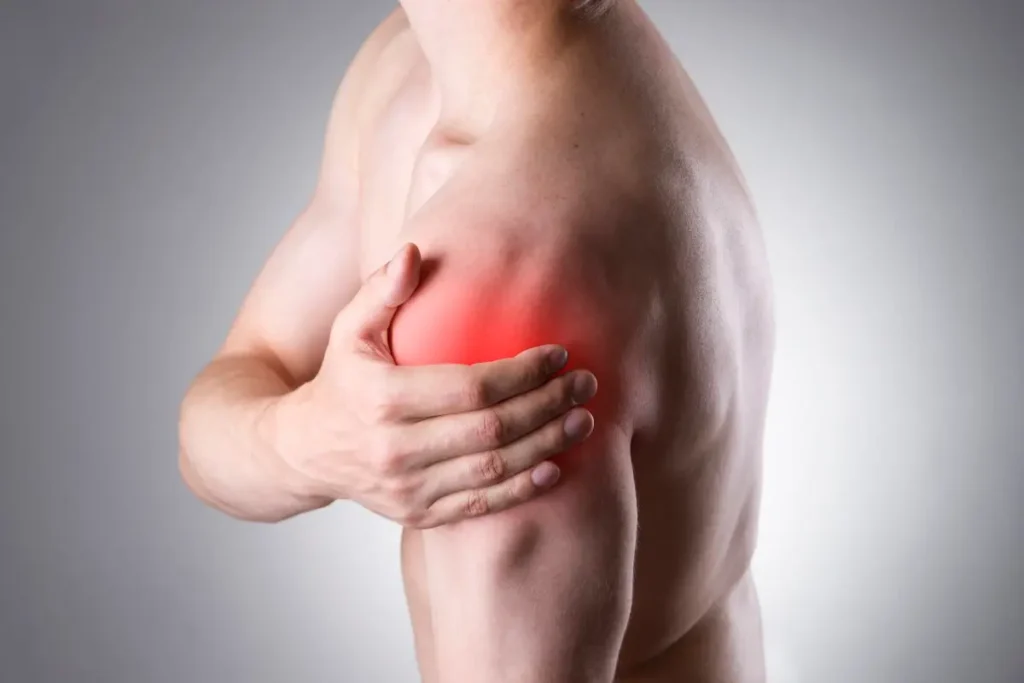
How This Relates to Everyday Health
The shoulder is one of the most mobile joints in the body. We rely on it constantly throughout the day. When stiffness and pain set in, even basic activities can become challenging:
- Getting dressed
- Lifting a child
- Reaching for a seatbelt
- Working at a desk
- Performing religious prayer movements
- Participating in sport or exercise
Sleep is also commonly disrupted. Many people report sharp pain when rolling onto the affected side.
Over time, reduced movement can lead to muscle weakness and compensatory patterns. You may start overusing your neck or upper back, which can contribute to secondary discomfort.
Because frozen shoulder develops gradually, people often try to “push through” the pain at first. However, early professional guidance can make a meaningful difference in managing symptoms and maintaining function.
How Shockwave Therapy for Frozen Shoulder May Help
Research into shockwave therapy for frozen shoulder is evolving. Early evidence suggests that it may assist in:
- Reducing shoulder pain
- Improving circulation to affected tissues
- Supporting tissue remodelling
- Enhancing outcomes when combined with physiotherapy
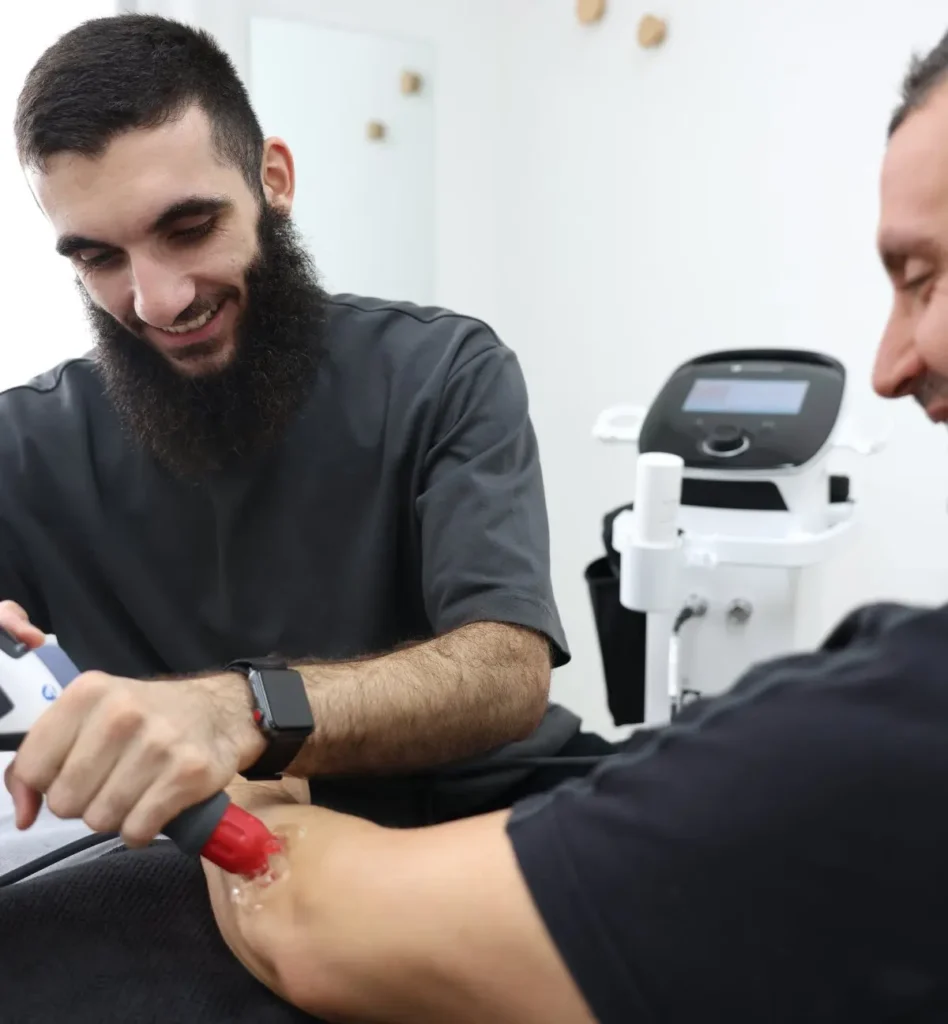
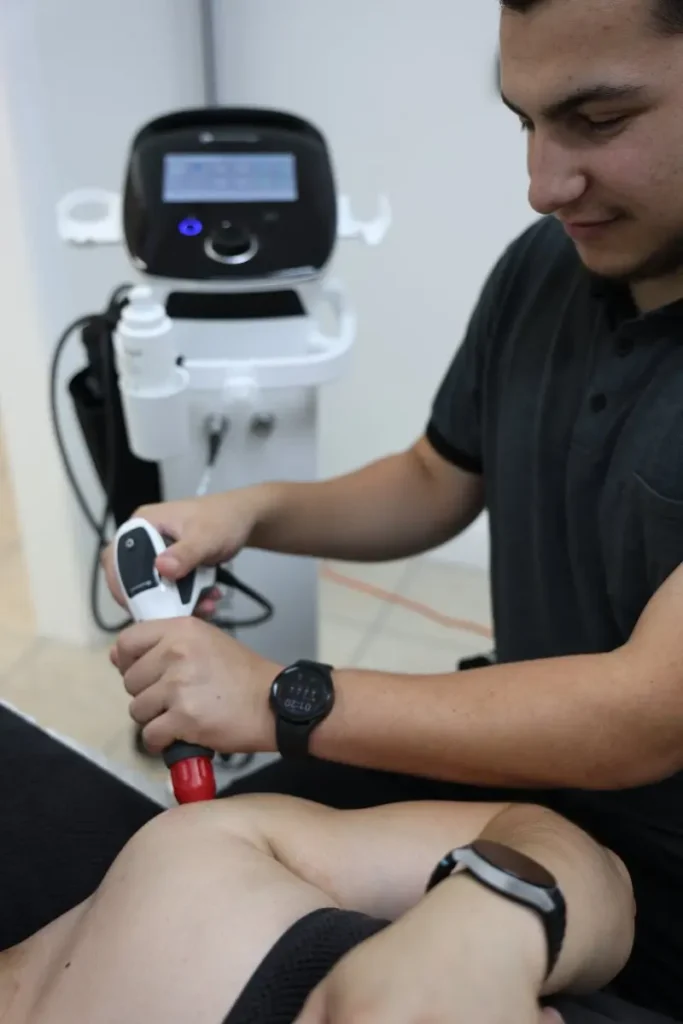
Shockwave therapy works by delivering targeted acoustic pulses to the affected region. These pulses stimulate a biological response, encouraging increased blood flow and activation of local healing processes.
For individuals in the freezing or frozen phase, reducing pain can be particularly valuable. When pain decreases, it often becomes easier to engage in structured physiotherapy exercises that gradually restore shoulder movement.
It is important to emphasise that shockwave therapy is typically used alongside other interventions, not as a standalone solution.
Long-Term Benefits and Health Outcomes
Frozen shoulder often improves with time, but the journey can be long. Supportive interventions may contribute to:
- Improved pain management
- Better sleep quality
- Maintenance of muscle strength
- Reduced compensatory strain in the neck and back
- Earlier return to daily activities
When shockwave therapy for frozen shoulder is used appropriately, it may enhance the overall rehabilitation process by making movement more tolerable.
Importantly, maintaining shoulder mobility during recovery helps reduce the risk of persistent stiffness. Long-term outcomes are typically best when treatment combines symptom management with active rehabilitation.
Our philosophy at Masnad Health Clinic is to empower patients with knowledge and structured support so they can confidently participate in their recovery.
When to Seek Professional Support
You may benefit from professional assessment if you experience:
- Ongoing shoulder pain lasting more than a few weeks
- Increasing stiffness that limits daily tasks
- Night pain affecting sleep
- Progressive reduction in range of motion
- Difficulty reaching overhead or behind your back
While not all shoulder pain is frozen shoulder, early evaluation can help guide appropriate care and prevent unnecessary delay in management.
A qualified practitioner can assess your symptoms, review your medical history, and determine whether shockwave therapy or other interventions may be suitable for your situation.
Conclusion: Is Shockwave Therapy for Frozen Shoulder Worth Considering?
Frozen shoulder can be physically and emotionally draining. The combination of pain, stiffness, and slow recovery often leaves people feeling discouraged.
Shockwave therapy for frozen shoulder is not a miracle cure, but it may play a supportive role in reducing pain and enhancing rehabilitation outcomes when used as part of a comprehensive care plan.
At Masnad Health Clinic, we prioritise evidence-informed, patient-centred care. If you are experiencing shoulder pain or stiffness and would like guidance on whether shockwave therapy may be appropriate, we invite you to book online or request a free courtesy call to discuss your options.
Your recovery journey deserves clarity, compassion, and structured support.
FAQs
Most people describe shockwave therapy as mildly uncomfortable rather than painful. Intensity can be adjusted to suit individual tolerance levels. Your practitioner will guide you throughout the session.
The number of sessions varies depending on symptom severity and response to treatment. Shockwave therapy is typically delivered in a short series and combined with rehabilitation exercises.
In many cases, frozen shoulder gradually improves over time. However, the process may take many months. Supportive care may help manage pain and maintain function during recovery.
Yes. Active rehabilitation is central to recovery. Shockwave therapy is generally used to complement physiotherapy, not replace it.
Shockwave therapy may not be suitable for everyone. Your practitioner will review your medical history, including any relevant conditions, before recommending treatment.