

Herbal Medicine, Vitamins and Lifestyle Changes Explained
Introduction When people think of naturopathy, they often imagine herbal remedies or…

Fibromyalgia is a chronic condition that causes widespread pain throughout the body, often alongside fatigue, sleep disturbances and cognitive difficulties. Unlike injuries that affect a single joint or muscle, fibromyalgia impacts how the nervous system processes pain, making the body more sensitive to normal physical sensations.
People living with fibromyalgia may experience fluctuating symptoms, with periods of relative stability followed by flare-ups that can significantly affect daily activities, work, relationships and overall quality of life. While fibromyalgia does not cause structural damage to muscles or joints, the pain and fatigue it creates are very real and can be debilitating without proper support.
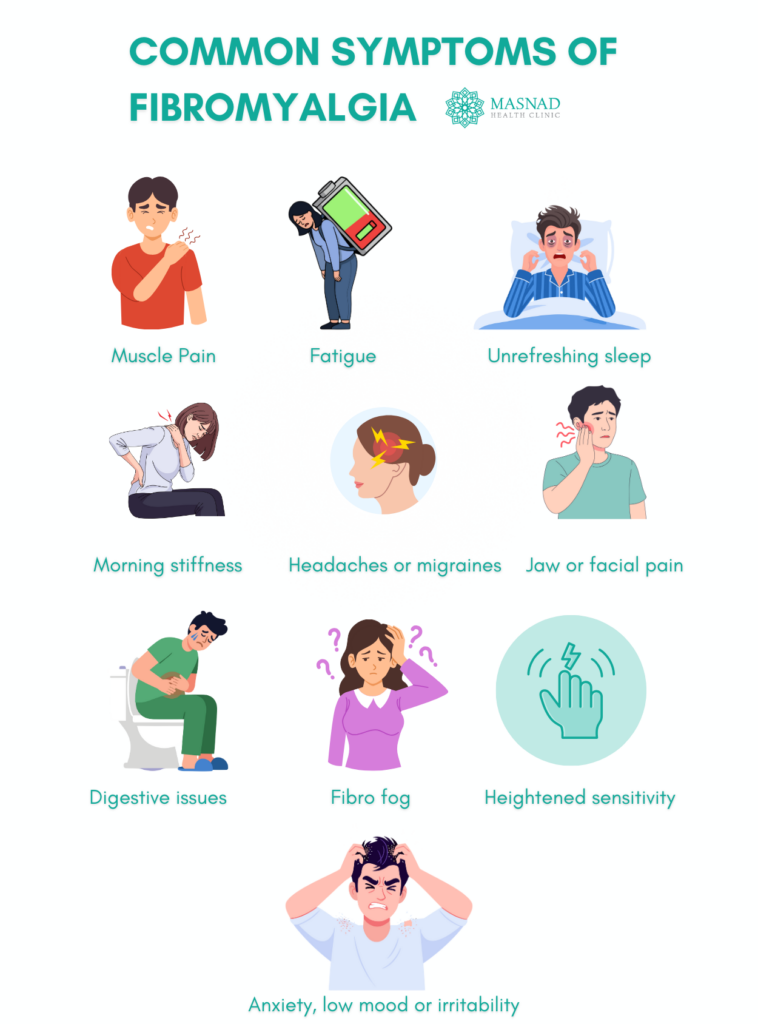
Fibromyalgia is a long-term condition characterised by widespread musculoskeletal pain and tenderness, combined with symptoms such as fatigue, poor sleep and difficulty concentrating. It is considered a condition of altered pain processing, meaning the brain and spinal cord amplify pain signals more than normal.
Many people with fibromyalgia report feeling sore or stiff “all over,” even without a clear injury or cause. Because symptoms are varied and scans often appear normal, it can take time for individuals to receive a clear diagnosis.
Fibromyalgia affects people differently, but common symptoms include:
Symptoms often fluctuate and may worsen during periods of stress, illness, lack of sleep or increased physical or emotional load.
The exact cause of fibromyalgia is not fully understood. Research suggests the condition develops due to changes in how the central nervous system processes pain signals. In people with fibromyalgia, the nervous system becomes over-responsive, causing normal sensations to be interpreted as painful.
Several factors may increase the risk of developing fibromyalgia, including:
Fibromyalgia is not caused by muscle damage or inflammation, and symptoms are not “all in your head.” It is a recognised neurological pain condition.
Physiotherapy plays an important role in helping people manage fibromyalgia and improve their quality of life. While there is no cure, physiotherapy focuses on symptom management, improving function and restoring confidence with movement.
Physiotherapy treatment may include:
Physiotherapists work closely with patients to find a sustainable balance between activity and rest, helping reduce pain cycles and fatigue crashes.
Managing fibromyalgia often involves learning how to listen to your body, reduce triggers and build consistent routines. With the right education, support and movement strategies, many people are able to remain active, independent and engaged in the activities they enjoy.
Understanding the condition and having a clear management plan can make a significant difference to long-term outcomes.
Fibromyalgia can be a complex and challenging condition, but with the right guidance and support, symptoms can be managed effectively. A personalised physiotherapy program focusing on education, gentle movement and pacing can help reduce pain, improve energy levels and restore confidence in your body.
If you’re struggling with ongoing widespread pain, fatigue or stiffness, our experienced physiotherapy team is here to help.
Call us on 02 9793 8840
Book an appointment online today to start your personalised physiotherapy care.
Fibromyalgia is a long-term condition, but symptoms can improve with the right management strategies.
Incorrect or excessive exercise can increase symptoms, but guided, graded exercise is one of the most effective treatments.
No. Fibromyalgia does not usually appear on X-rays, MRIs or blood tests.
Yes. Physiotherapy helps manage pain, improve function and reduce flare-ups through tailored programs.
No referral is needed to book directly with a physiotherapist in Australia.
Many people live with pain, stiffness, or movement restrictions for weeks, months, or even years before seeking professional help.

Are you in pain? Not sure if we can help you?
Book your initial appointment and receive 10% off any service!