

When Should You See a Chiropractor?
Many people live with pain, stiffness, or movement restrictions for weeks, months, or even years before seeking professional help.

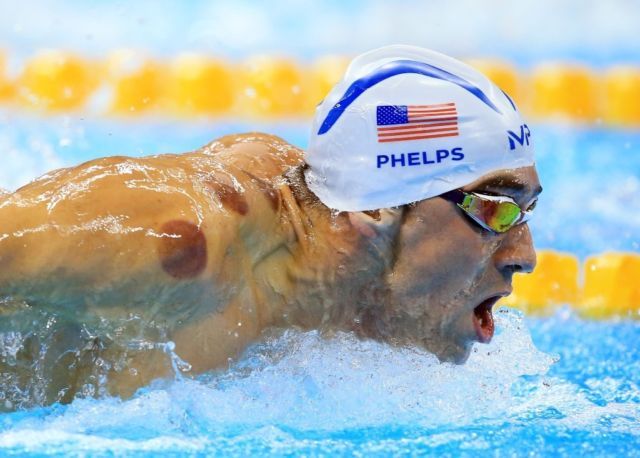
The photo below is that of Michael Phelps, an American Olympic-level swimmer who has won 28 Olympic medals. He is seen below with distinct marks on his back/shoulders, typically left from hijama or wet cupping. You might be wondering: why is an elite athlete partaking in a treatment that is centuries old?
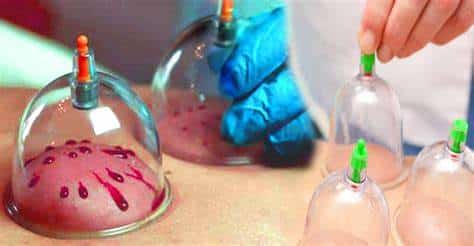
Hijama, also known as wet cupping, is a form of alternative medicine practised for centuries in the Middle East, Asia and Africa. It involves applying suction cups to specific points on the body and drawing out a small amount of blood through tiny incisions.
Hijama has various health benefits, especially for athletes who want to improve their performance, recovery and well-being. Let us explore what hijama is, why athletes use it, which sports benefit from it, and what hijama for an athlete involves.
What Is Hijama And How Does It Work?
Hijama derives from the Arabic word “hajm”, which means sucking and expansion. Stagnant blood and toxins accumulate in some body regions, causing pain, inflammation and disease.
By suctioning these areas, the hijama creates a negative pressure that draws out impure blood, fluids, and harmful substances. Thus, hijama stimulates blood circulation, oxygen delivery, immune system function and natural healing processes.
What Are The Different Types of Hijama / Cupping?
Hijama is performed in two primary ways: dry or wet.
Why Are Athletes Using Hijama For High-level Performance?
Athletes are always looking for ways to enhance their physical and mental abilities and prevent and treat injuries. Hijama offers a natural and holistic solution to help athletes achieve their goals and overcome challenges. Some of the benefits of hijama for athletes are:

Which Sports Benefit From Hijama?
Hijama can benefit athletes from any sport that involves physical exertion, skill or competition. However, some sports may benefit more than others, depending on the specific demands and challenges they pose. Some examples of sports that can help from hijama are:

When Should Athletes Do Hijama / Wet Cupping?
Hijama / wet cupping is recommended for athletes during a rest and recovery period, such as after a few weeks of training or in the days after a game/match. This boosts muscle and overall body recovery,
What Does Hijama For Athletes Involve?
Hijama for an athlete involves a consultation with a qualified hijama practitioner who will assess the athlete’s health history, goals and needs. The practitioner will then determine the best locations to apply the cups according to the athlete’s condition and sport. The practitioner will also advise the athlete on preparing for the session, including having a glass of water and a small meal 2-3 hours before the session.
How Many Hijama Cups Are Applied?
The number of cups the practitioner applies depends on the patient’s specific condition/symptoms and the area of application on the body. For the full spine, the average number of cups applied is 9-11, whilst for the legs, it can be 10-14 cups.
Our Sydney Bankstown Hijama Wet Cupping therapists are skilled and experienced in treating athletes of all skill levels for optimum performance. Feel free to Book Online anytime or call us on (02) 9793 8840 today!
Many people live with pain, stiffness, or movement restrictions for weeks, months, or even years before seeking professional help.
Learn the differences between chiropractic and physiotherapy, what each profession does, and how to choose the right option for your needs.
Learn about the safety of chiropractic care, what to expect during treatment, and how chiropractors assess whether care is appropriate for you.
Many people live with pain, stiffness, or movement restrictions for weeks, months, or even years before seeking professional help.
Learn the differences between chiropractic and physiotherapy, what each profession does, and how to choose the right option for your needs.
Learn about the safety of chiropractic care, what to expect during treatment, and how chiropractors assess whether care is appropriate for you.