
Chronic Ankle Instability

Chronic Ankle Instability: Causes, Symptoms, and Physiotherapy Management

Overview

Chronic Ankle Instability (CAI) is a condition where the ankle frequently gives way, especially during walking, running, or standing on uneven ground. It usually develops after repeated ankle sprains that haven’t healed properly. Over time, this instability can lead to persistent pain, swelling, and loss of confidence in your ankle – making even simple movements feel uncertain or risky.

Understanding the causes and physiotherapy solutions for chronic ankle instability can help you restore balance, strength, and stability – and prevent future injuries.
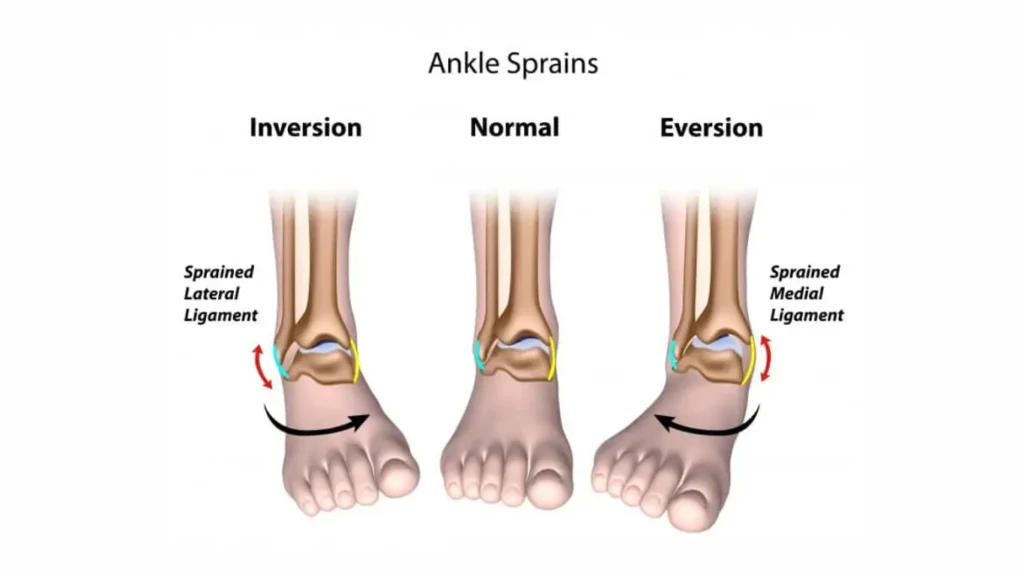

Ankle Instability

What is Chronic Ankle Instability?

Your ankle joint is supported by several ligaments that help maintain stability. When these ligaments are repeatedly stretched or torn – typically after multiple sprains – they lose their ability to provide proper support.

As a result, the ankle becomes unstable, often giving way unexpectedly. This condition is known as Chronic Ankle Instability.

You might feel your ankle is “weak,” “wobbly,” or that it could twist at any moment – particularly when walking on uneven surfaces or playing sports.

What Causes Chronic Ankle Instability?

Chronic ankle instability usually develops due to a combination of physical and mechanical factors. Common causes include:

  • Recurrent ankle sprains: Each sprain weakens the surrounding ligaments, reducing stability.
  • Incomplete rehabilitation: Returning to activity too soon after a sprain prevents proper healing and muscle reactivation.
  • Weakness in supporting muscles: Especially the peroneal and calf muscles that protect against ankle rolling.
  • Poor balance and proprioception: Reduced ability to sense joint position makes it easier to twist the ankle again.
  • Structural issues: Flat feet, high arches, or poor foot alignment may increase instability risk.
  • Inappropriate footwear: Shoes lacking ankle or arch support can worsen instability.
  • Scar tissue formation: After repeated injury, the joint may lose flexibility and strength due to scar buildup.

Symptoms of Chronic Ankle Instability

Typical symptoms may include:

  • Repeated ankle “giving way,” especially during sports or uneven surfaces
  • Persistent swelling or tenderness around the ankle
  • Pain or discomfort after activity
  • Feeling of looseness or instability
  • Stiffness after rest
  • Reduced balance and confidence when walking or running

If untreated, chronic instability can lead to arthritis, tendon injuries, or long-term joint degeneration.

How Chronic Ankle Instability Is Diagnosed

A physiotherapist will carry out a thorough assessment to determine the cause and severity of your instability. This process often includes:

Physical Examination

Assessment of ligament integrity, joint mobility, ankle alignment, and muscle strength.

Balance and Proprioception Testing

Evaluations designed to identify deficits in coordination and automatic ankle responses.

Functional Movement Tests

Observation of walking, squatting, heel raises, and sport-specific movements.

Diagnostic Imaging

An X-ray or MRI may be recommended if there is concern about fractures, ligament tears, or cartilage damage.

A clear diagnosis ensures an effective treatment plan tailored to your specific needs.

How Physiotherapy Helps Manage Chronic Ankle Instability

Physiotherapy is one of the most effective long-term treatments for CAI. At Masnad Health Clinic, our approach focuses on restoring control, strength, and confidence through evidence-based rehabilitation.

Strengthening the Supporting Muscles

We target key stabilising muscles including:

  • Peroneals
  • Gastrocnemius and soleus
  • Tibialis posterior
  • Intrinsic foot muscles

Improving these areas provides better protection during walking and high-impact movements.

Balance and Proprioception Training

Your physiotherapist will guide you through exercises that retrain your body to react quickly and safely. This may include:

  • Single-leg balance
  • Wobble board training
  • Dynamic stability exercises

These exercises are essential for preventing future sprains.

Manual Therapy

Hands-on treatment can support recovery by improving mobility, reducing stiffness, and promoting better alignment.

Gait and Movement Retraining

Poor walking or running patterns can overload certain structures. We help correct faulty biomechanics to reduce reinjury risk.

Multidisciplinary Support

Depending on the severity of your condition, you may also benefit from:

  • Chiropractic Care for joint alignment
  • Hijama (Cupping Therapy) for pain relief and circulation
  • Exercise Physiology programs for return-to-sport conditioning

This holistic approach ensures long-term stability and strength.

Treatment Options and Expected Recovery

Most people experience significant improvement with consistent physiotherapy. Treatment may include:

  • Strength and control exercises
  • Soft tissue therapy
  • Joint mobilisations
  • Functional training
  • Bracing or taping
  • Footwear recommendations

Recovery timelines vary, but many clients begin noticing improvements within 4 to 6 weeks with guided treatment and adherence to their home exercise program.

For long-standing or severe cases, further medical assessment may be required to rule out ligament tears or cartilage issues.

Prevention and Long-Term Management

Even after recovery, maintaining ankle strength and balance is essential. Preventative strategies include:

  • Regular strengthening of foot and ankle muscles
  • Balance exercises a few times per week
  • Supportive footwear during sport or high-impact activities
  • Warming up properly before exercise
  • Avoiding sudden increases in training load

These habits protect your ankle from future sprains and ensure lasting stability.

Why Choose Masnad Health Clinic?

Masnad Health Clinic provides comprehensive, personalised care that integrates physiotherapy with other allied health services. Our team understands the physical, emotional, and functional challenges associated with chronic ankle instability.

We offer:

  • Individualised treatment plans
  • Modern rehabilitation techniques
  • A warm, community-focused environment
  • Access to multidisciplinary services under one roof

Our clinics in Bankstown and Lakemba are easily accessible for clients in Punchbowl, Greenacre, Chullora, Yagoona, and surrounding suburbs.

Need a trusted physiotherapist near Bankstown or Lakemba for chronic ankle instability?

Our team at Masnad Health Clinic provides personalised, multidisciplinary treatment to help you walk, run, and move with confidence again.

Book your appointment online or call us today.

FAQ

The ankle may continue to give way, increasing your risk of future sprains, tendon injuries, or cartilage damage.

Your physiotherapist will assess whether imaging is necessary based on your symptoms and history.

Yes, but your physiotherapist will guide you on safe exercises while avoiding movements that increase the risk of re-injury.

Surgery is only considered in rare cases. Most people recover successfully with structured physiotherapy.

Ideally within the first 3–5 days to ensure proper recovery and prevent long-term instability.