
Tibialis Posterior Tendinopathy

Posterior Tibial Tendinopathy: How to Heal and Prevent Foot Pain

What Is Tibialis Posterior Tendinopathy?

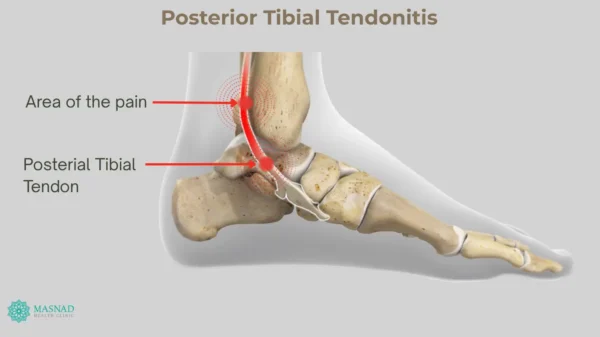
Posterior Tibial Tendonitis

The tibialis posterior muscle sits deep in the lower leg, just inside the shin. Its tendon travels downwards, curves behind the inner ankle (medial malleolus), and attaches into the base of the foot’s arch. The tendon is crucial for foot and ankle movement – it helps you move your foot downward and inward (plantar-flexion & inversion) and supports the arch of your foot.

When this tendon is put under too much strain, or repeatedly stressed, it may develop degeneration, micro-tears, swelling and impaired function. That condition is known as tibialis posterior tendinopathy. Over time, if left untreated, it may weaken and elongate, reducing its ability to support the arch and potentially contributing to flat-foot deformity.

Causes of Tibialis Posterior Tendinopathy

There’s rarely just one reason behind Tibialis Posterior Tendinopathy – it usually develops when your foot and ankle are asked to do just a little too much, too often.

A mix of overuse, poor movement patterns, and lifestyle factors gradually overloads the tendon until it starts to protest with pain and stiffness.

Some common causes include:

  • Repetitive overuse from running, walking long distances, or standing for extended periods.
  • Sudden increase in physical activity, like returning to the gym after time off or changing training intensity too quickly.
  • Poor footwear that doesn’t support the arch or allows the foot to roll inwards (pronate).
  • Flat feet or excessive pronation, which places extra tension on the tendon.
  • Muscle weakness in the calves or lower leg, forcing the tendon to overwork.
  • Being overweight, which increases strain on the supporting structures of the foot.
  • Age-related degeneration, where the tendon gradually loses elasticity and strength.

Recognising the Symptoms

Symptoms may develop gradually and worsen over time. Look out for:

  • Pain or swelling along the inner ankle or arch
  • Tenderness when touching the inside of the ankle or foot
  • Discomfort when rising onto your toes or walking uphill
  • A feeling of instability or weakness in the foot
  • Visible flattening of the arch (in more advanced stages)
  • Occasional clicking or creaking sounds (known as crepitus) with movement

In more severe cases, walking or standing for long periods can become painful, and some people may even struggle to wear certain shoes comfortably.

Stages of Tibialis Posterior Tendinopathy

Clinically, this condition is often described in stages:

  • Stage 1: Mild inflammation and pain, but the foot’s structure remains normal.
  • Stage 2: The tendon weakens; the arch begins to flatten, but remains flexible.
  • Stage 3: The arch collapse becomes rigid, and surrounding joints may stiffen.
  • Stage 4: The deformity affects the ankle joint, and arthritic changes may occur.

Recognising symptoms in the early stages gives you the best chance for full recovery using natural and conservative care.

How Physiotherapy and Natural Care Work Together

Physiotherapy helps

An effective approach to healing tibialis posterior tendinopathy doesn’t rely on one method alone. It involves combining evidence-based physiotherapy with organic, lifestyle-based support that enhances the body’s natural repair systems.

1. Physiotherapy & Exercise Rehabilitation

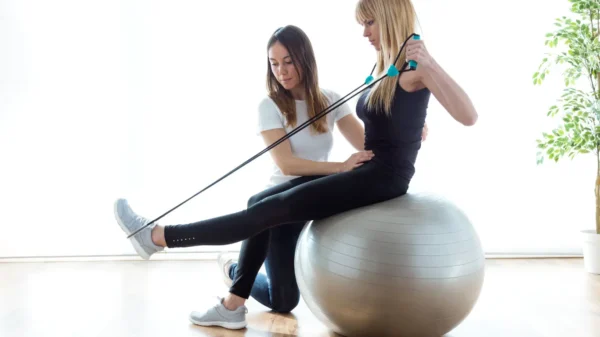
Physiotherapy focuses on restoring function and strength through:

  • Manual therapy and soft tissue release to reduce tension and promote blood flow
  • Targeted strengthening exercises for the tibialis posterior, calf, and intrinsic foot muscles
  • Balance and stability training to restore coordination and reduce strain
  • Gradual loading programs that rebuild tendon resilience
  • Gait and posture correction to address movement imbalances

These exercises are progressive, controlled, and safe – helping the tendon adapt to stress without further damage.

2. Natural and Supportive Therapies

To complement physiotherapy, gentle natural methods can further promote healing and reduce discomfort:

  • Cupping therapy (Hijama): Stimulates circulation, eases stiffness, and promotes detoxification.
  • Massage therapy: Improves lymphatic flow and muscle relaxation around the tendon.
  • Heat and cold therapy: Helps manage inflammation and stiffness naturally.
  • Herbal anti-inflammatory support: Foods or natural supplements rich in turmeric, ginger, and omega-3s can support tissue repair.
  • Mindful movement: Practices like yoga and gentle stretching help improve flexibility and reduce tension.
  • Rest and recovery: Allowing the tendon adequate time to heal prevents chronic inflammation.

This integrative approach aligns with the body’s natural rhythm — encouraging recovery without unnecessary strain.

Treatment Options & Recovery Process

Treatment depends on the severity of your condition, but generally involves:

1. Relative Rest & Load Management

You don’t necessarily need to stop moving – rather, your physiotherapist will guide you on how to modify activities to allow healing while maintaining fitness.

2. Manual Therapy

Gentle soft tissue massage, joint mobilisation, and trigger point therapy can help reduce pain and improve mobility around the ankle.

3. Targeted Strengthening

A progressive exercise program will focus on rebuilding tendon strength and improving the stability of your arch and ankle. Eccentric loading exercises (where the muscle lengthens under tension) are particularly effective for tendinopathies.

4. Footwear & Orthotics

Your physiotherapist may recommend arch supports, taping, or orthotics to help realign the foot and reduce strain on the tibialis posterior tendon.

5. Modalities & Supportive Therapies

Depending on your needs, treatments may also include ultrasound therapy, ice or heat applications, or bracing for added support.

6. Gradual Return to Activity

Once your symptoms settle, your physiotherapist will guide you through a gradual and safe return to your regular activities, ensuring the tendon is strong and resilient.

Most clients see significant improvement within 6-12 weeks of consistent physiotherapy and adherence to their home exercise program.

Prevention Tips & Long-Term Care

Preventing recurrence is just as important as recovery. Here are some practical tips:

  • Choose supportive footwear that fits well and provides arch stability.
  • Warm up and stretch before exercise, especially your calves and ankles.
  • Maintain a healthy body weight to reduce strain on your feet.
  • Avoid sudden spikes in activity – increase training load gradually.
  • Perform regular strengthening exercises for your foot and ankle muscles.
  • Get your gait assessed by a physiotherapist to identify early biomechanical issues.

Why Choose Masnad Health Clinic?

At Masnad Health Clinic, we don’t just treat injuries – we care for the person behind the pain.
Our team combines clinical expertise, community values, and holistic care to help clients across Bankstown, Lakemba, Greenacre, Punchbowl, and surrounding Sydney suburbs return to pain-free movement.

We also offer:

Call us on (02) 9793 8840 or book your appoitment online today and start your journey toward pain-free movement and lasting relief.

FAQ

Most clients recover within 6-12 weeks with guided physiotherapy, rest, and structured strengthening exercises.

Yes, but your physiotherapist will adjust your training to reduce tendon load while maintaining general fitness.

If left untreated, the tendon may weaken and stretch, leading to long-term arch collapse or flatfoot deformity.

Usually not, but your physiotherapist may recommend ultrasound or MRI if symptoms persist or to rule out other causes.

Absolutely. By addressing strength, footwear, and movement patterns, physiotherapy helps prevent recurrence and promotes long-term tendon health.