
Wrist Sprains

Wrist Sprains: Causes, Symptoms, and Treatment

Overview

A wrist sprain occurs when the ligaments that support the wrist joint are stretched or torn. These ligaments stabilise the complex network of small bones in the wrist and help maintain controlled movement during gripping, lifting, or weight bearing. When these structures are overloaded, the joint becomes painful, swollen and difficult to use. Wrist sprains can range from mild ligament irritation to more significant tears that require structured rehabilitation.

Understanding how wrist sprains develop and the most effective physiotherapy strategies can help you recover faster, avoid long-term instability, and safely return to your usual activities.
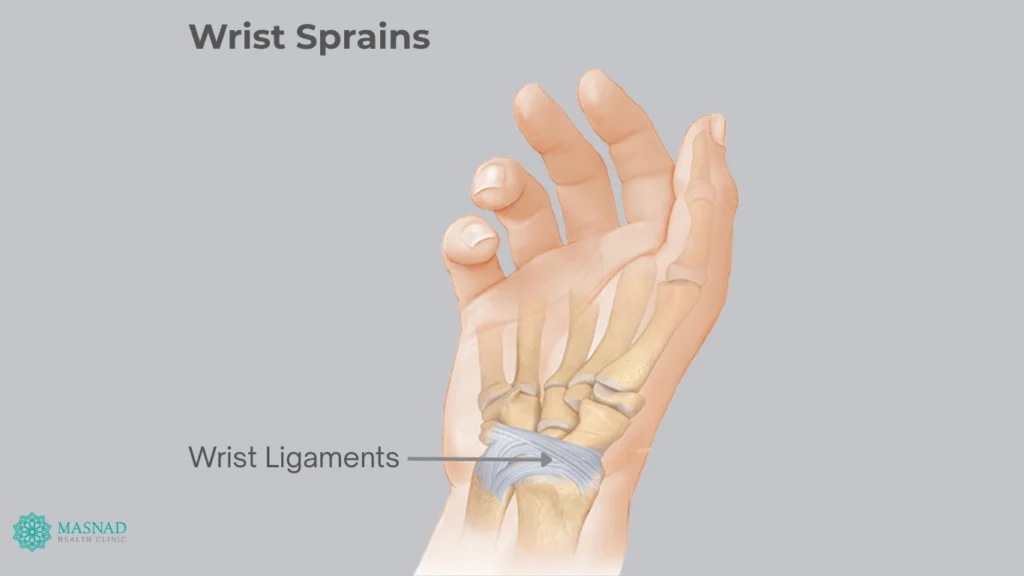
Wrist Ligaments

What Is a Wrist Sprain?

A wrist sprain is an injury to one or more of the ligaments connecting the small bones of the wrist. The wrist contains eight carpal bones, multiple supporting ligaments and tendons, and three major nerves. Because these structures are closely packed, even a small ligament injury can lead to significant discomfort and dysfunction.

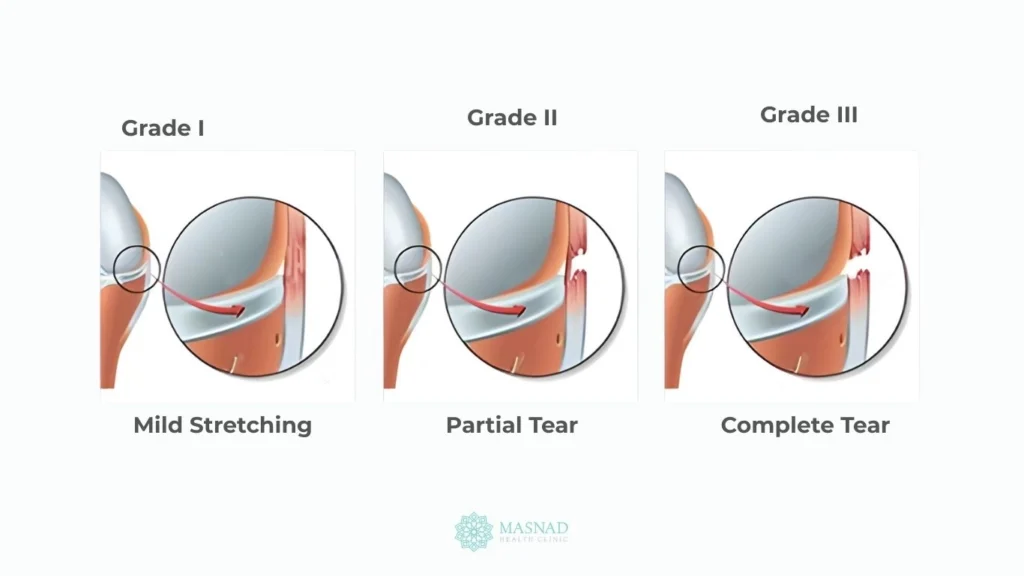
Mild sprains typically involve overstretching of the ligament fibres. Moderate sprains involve partial tearing, and severe sprains may involve complete ligament rupture or carpal instability.

Wrist Sprains

Symptoms of Wrist Sprains

The severity of a wrist sprain depends on the grade of the ligament injury:

Grade I (Mild Stretching):

  • Mild pain and swelling
  • Slight tenderness
  • Usually heals within 2–3 weeks

Grade II (Partial Tear):

  • Moderate pain, bruising, and swelling
  • Limited wrist movement
  • Healing may require 4–6 weeks with physiotherapy

Grade III (Complete Tear):

  • Severe pain and swelling
  • Instability of the wrist
  • May require splinting, immobilization, or surgery

Common signs include:

  • Pain when moving the wrist or gripping objects
  • Swelling or bruising around the wrist
  • Weak grip strength or clumsiness
  • Difficulty performing daily activities

What Causes Wrist Sprains?

Wrist sprains often occur due to forces that bend the wrist beyond its normal range of motion. Common causes include:

Falling onto an outstretched hand
This is one of the most frequent causes of wrist sprains. The sudden impact can overstretch the ligaments when the hand is used to break the fall.

Sports injuries
Activities involving rapid changes of direction, gripping, and weight bearing such as basketball, soccer goalkeeping, gymnastics and netball place constant stress on the wrist.

Repetitive strain
Prolonged gripping, typing, heavy lifting or repetitive manual tasks can progressively irritate ligament structures.

Sudden force or twisting
Unexpected wrist movements, especially under load, can result in ligament stretching or tearing.

Direct trauma
A hit to the wrist can cause swelling, bruising and ligament irritation.

How Wrist Sprains Are Diagnosed

A physiotherapist or healthcare provider will assess:

History of the injury
How it happened, when symptoms began and what movements worsen the pain.

Ligament testing
Stress tests to determine which ligament structures are affected.

Range of motion and strength testing
Identifying weakness or restricted movement patterns.

Imaging if required
X-rays rule out fractures and dislocations.
Ultrasound or MRI may be used for suspected ligament tears or complex injuries.

Early assessment helps ensure the correct management plan, especially if the injury is severe or does not improve quickly.

How Wrist Sprains Are Treated

Treatment depends on the severity of the sprain but generally follows these key principles:

1. Acute Management

  • Rest or modify painful activities
  • Ice to reduce swelling
  • Compression bandage to control inflammation
  • Short-term immobilisation for moderate sprains to allow healing

Avoid pushing through pain during the early stages.

2. Physiotherapy Management

Physiotherapy helps restore movement, rebuild strength and prevent chronic instability. Treatment may include:

Manual therapy
Gentle mobilisation to maintain joint flexibility and reduce stiffness.

Soft tissue releasing
Reducing tension in the surrounding forearm muscles that may be guarding the joint.

Strengthening
Targeted exercises for the wrist flexors, extensors, grip strength and forearm stabilisers.

Proprioceptive retraining
Improving the wrist’s ability to sense movement and load, reducing re-injury risk.

Activity modification
Guidance on safe return to work, sport and daily tasks.

3. Splinting or Taping

Splints or supportive taping may be used temporarily to protect the joint during healing and allow comfortable movement.

4. When Is Surgery Needed?

Surgery is rare for wrist sprains but may be considered if:

  • There is a complete ligament tear
  • Carpal instability is present
  • Symptoms do not improve after conservative rehabilitation

A hand specialist will determine if surgical intervention is appropriate.

Recovery Timeline

Recovery varies based on severity:

  • Mild sprains: 1 to 3 weeks
  • Moderate sprains: 4 to 6 weeks
  • Severe sprains: 8 weeks or more, sometimes requiring additional rehabilitation

Returning to sport or heavy manual work too early increases the risk of chronic instability.

When to Seek Help

Seek professional help if you notice:

  • Pain that lasts more than a few days
  • Difficulty gripping or lifting
  • Worsening swelling
  • A sense of instability in the wrist
  • Inability to bear weight
  • Pain after a fall that does not resolve

Early intervention leads to faster, smoother recovery.

Tips to Prevent Wrist Sprains

  • Strengthen your wrist and forearm muscles with regular exercises
  • Warm up before sports or heavy lifting
  • Use protective gear such as wrist guards for activities like skateboarding or gymnastics
  • Check ergonomics for workstations, keyboards, and mouse use
  • Avoid overuse and take regular breaks during repetitive tasks

Why Choose Masnad Health Clinic?

  • Experienced physiotherapists with hands-on care
  • Individualised treatment plans for all injury grades
  • Multidisciplinary approach combining exercises, manual therapy, and education
  • Focus on long-term recovery and injury prevention

Conclusion

Wrist sprains may seem minor, but without proper care, they can lead to weakness, reduced mobility, or repeated injuries. With the right diagnosis, physiotherapy, and home management, you can regain strength, flexibility, and confidence in your wrist.

For all your Wrist Sprains needs, feel free to call us on 02 9793 8840 or book your appointment online to start your journey toward pain-free movement and lasting recovery.

FAQ

Most mild sprains heal in 2-3 weeks. Moderate to severe sprains may take 4-12 weeks, depending on treatment and injury severity.

Yes. Strengthening, stability training, and ergonomic advice reduce the risk of recurring injuries.

If there is severe pain, swelling, bruising, or difficulty moving your wrist, seek professional care immediately.

Surgery is rarely needed and usually reserved for complete ligament tears or cases not responding to conservative treatment.

You may return gradually under physiotherapist guidance, ensuring safe wrist movement and avoiding re-injury.