
Cervicogenic Headache
What Is a Cervicogenic Headache?
Headaches are one of the most common health complaints experienced by people of all ages. The term “headache” broadly refers to pain felt anywhere in the head or cranial region. While many headaches are caused by stress, dehydration, fatigue, or illness, others may originate from problems in the neck.
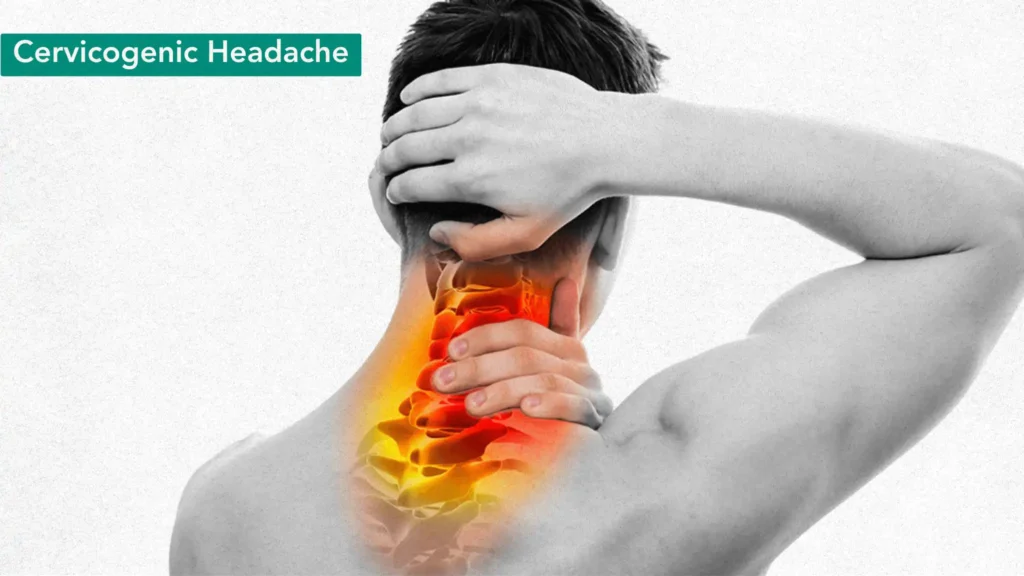
A cervicogenic headache is a type of secondary headache, meaning the pain is caused by an underlying issue elsewhere in the body. In this case, the pain originates from the cervical spine (neck) but is felt in the head.
The neck contains joints, muscles, ligaments and nerves that support the head and allow movement. When these structures become stiff, irritated, or injured, they can send pain signals to the head. This results in a headache that is actually caused by neck dysfunction.
Cervicogenic headaches are commonly treated by physiotherapists because they are often related to posture, joint stiffness, muscle tightness, or previous injuries. With proper assessment and treatment, many people can significantly reduce or completely eliminate these headaches.
Common Symptoms of Cervicogenic Headaches
Cervicogenic headaches often present differently from other common headache types such as migraines or tension headaches. The symptoms usually develop gradually and may worsen with certain neck movements or positions.
Some of the most common symptoms include:
- Pain on one side of the head (unilateral headache)
- A dull, aching pain that begins in the neck and spreads to the head
- Pain radiating to the temple, forehead, or around the eyes
- Neck stiffness or reduced range of motion
- Tenderness in the neck, scalp, or shoulder muscles
- Headache that worsens when turning or tilting the neck
- Pain that increases after prolonged sitting or poor posture
Unlike migraines, cervicogenic headaches usually do not include severe nausea, vomiting, or extreme sensitivity to light. However, some individuals may still experience mild overlapping symptoms.
If your headaches are consistently accompanied by neck pain or stiffness, it may indicate that the neck is the primary source of the problem.
What Causes Cervicogenic Headaches?
Cervicogenic headaches occur due to dysfunction in the structures of the cervical spine. The nerves in the upper neck connect with pain pathways in the head, which allows neck problems to produce headache symptoms. This phenomenon is known as referred pain.
Several factors can contribute to cervicogenic headaches, including:
1. Joint Stiffness in the Neck
The joints in the cervical spine allow the neck to move in multiple directions. When these joints become stiff or restricted, they can irritate surrounding nerves and lead to headache pain.
2. Muscle Tightness and Trigger Points
Tight muscles in the neck and shoulders can develop trigger points, which are sensitive spots that refer pain to other areas. These trigger points can send pain signals to the head, creating a headache pattern.
3. Poor Posture
Modern lifestyles often involve long hours sitting at a desk, using computers, or looking down at phones. Poor posture places extra strain on the neck muscles and joints, increasing the risk of cervicogenic headaches.
4. Neck Injuries
Traumatic injuries such as whiplash from car accidents or sports injuries can damage the joints, muscles, and ligaments in the neck. Without proper treatment, these injuries may lead to chronic headaches.
5. Weak Neck Muscles
Weak or imbalanced muscles around the neck and shoulders can cause poor stability and movement patterns, which increases stress on the cervical spine.
Understanding the root cause of the headache is essential for effective treatment.
How Cervicogenic Headaches Are Diagnosed
Diagnosing cervicogenic headaches can be challenging because many types of headaches share similar symptoms. For example, migraines, tension headaches, and sinus headaches can sometimes mimic cervicogenic headaches.
A physiotherapist will typically perform a comprehensive assessment to identify the source of the pain.
This assessment may include:
- Evaluating neck mobility and joint movement
- Checking for muscle tightness or trigger points
- Assessing posture and ergonomic habits
- Identifying areas of tenderness in the neck and shoulders
- Determining whether neck movement reproduces the headache
If the headache improves when the neck is treated or stabilised, it strongly suggests a cervicogenic origin.
In some cases, doctors may also recommend medical imaging or further testing to rule out other conditions.
Physiotherapy Treatment for Cervicogenic Headaches
Physiotherapy is one of the most effective treatments for cervicogenic headaches because it addresses the underlying neck dysfunction rather than just masking the pain.
Treatment usually focuses on restoring normal movement, reducing muscle tension, and improving posture.
Common physiotherapy treatments include:
Manual Therapy
Hands-on techniques can help restore movement to stiff joints in the cervical spine. This reduces irritation and improves neck function.
Soft Tissue Therapy
Massage and trigger point therapy help release tight muscles and reduce referred pain patterns.
Stretching Exercises
Gentle stretching helps improve flexibility in tight neck and shoulder muscles, which can relieve pressure on surrounding structures.
Strengthening Exercises
Strengthening the deep neck muscles and shoulder stabilisers improves posture and reduces strain on the cervical spine.
Postural Correction
A physiotherapist can provide guidance on proper posture when sitting, working at a desk, or using electronic devices.
Ergonomic Advice
Simple adjustments to your workstation or daily habits can prevent recurring strain on the neck.
Most people notice improvement after several physiotherapy sessions combined with a consistent home exercise program.
Exercises That May Help Reduce Neck-Related Headaches
Specific exercises are often prescribed to improve neck mobility and strength. These exercises should be performed under professional guidance to avoid aggravating symptoms.
Some commonly recommended exercises include:
- Chin tucks to strengthen deep neck muscles
- Neck rotation stretches to improve flexibility
- Shoulder blade squeezes to support posture
- Upper trapezius stretches to reduce muscle tightness
Regular movement and stretching throughout the day can also help prevent stiffness caused by prolonged sitting.
If an exercise increases pain or dizziness, it should be stopped and discussed with a healthcare professional.
Preventing Cervicogenic Headaches
Prevention plays an important role in reducing the frequency of cervicogenic headaches.
Here are several simple strategies that can help:
- Maintain good posture, especially when using computers or phones
- Take frequent breaks from sitting
- Perform regular neck stretches and mobility exercises
- Ensure your workstation is ergonomically set up
- Use a supportive pillow that keeps the neck in a neutral position
- Stay physically active to keep muscles strong and flexible
Small lifestyle adjustments can significantly reduce strain on the neck and prevent headaches from returning.
When Should You Seek Professional Help?
Occasional headaches are common, but persistent or worsening headaches should always be assessed by a healthcare professional.
You should consider seeing a physiotherapist or doctor if:
- Your headaches occur frequently or daily
- The pain is consistently associated with neck stiffness
- Headaches worsen after prolonged sitting or neck movement
- Over-the-counter medication does not provide relief
- You recently experienced a neck injury or whiplash
Early assessment and treatment can prevent the condition from becoming chronic.
Book an Appointment
Need a trusted physiotherapist near Bankstown or Lakemba?
Our team at Masnad Health Clinic provides personalised, multidisciplinary care for cervicogenic headaches, helping you relieve neck-related pain and restore comfortable movement.
Book your appointment online or call us today at (02) 9793 8840.
FAQs
Cervicogenic headaches are usually not dangerous, but they can significantly impact quality of life. Proper diagnosis is important to rule out other causes.
They may last from several hours to several days depending on the severity of the neck dysfunction and activity levels.
Yes. Prolonged poor posture, especially when using phones or computers, can place excessive strain on the neck and trigger cervicogenic headaches.
Pain medication may temporarily reduce symptoms, but it does not treat the underlying neck dysfunction causing the headache.
Many people experience significant improvement or complete relief with physiotherapy, particularly when they follow exercise and posture advice.

New Client Offer - 10% OFF
Are you in pain? Not sure if we can help you?
Book your initial appointment and receive 10% off any service!