
Adductor Tendinopathy

Adductor Tendinopathy: Causes, Symptoms, Treatment

Overview

Adductor tendinopathy is a common cause of groin and inner thigh pain, particularly among athletes and active individuals. This condition affects the adductor tendon, which connects the muscles of the inner thigh to the pelvis. Left untreated, it can limit your ability to run, change direction, or even perform simple daily movements like climbing stairs or walking comfortably.

With targeted physiotherapy, most people can regain full function, reduce pain, and prevent recurrence.
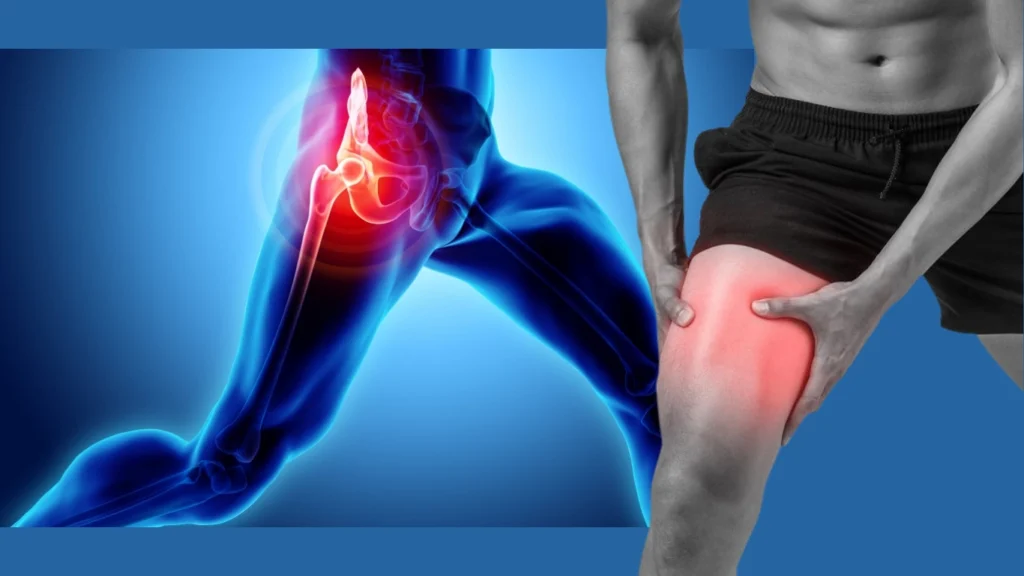

Adductor Tendinopathy

What Is Adductor Tendinopathy?

The adductor muscles are a group of five muscles on the inside of the thigh that stabilize the pelvis and control hip movements. These muscles attach to the pubic bone via the adductor tendon.

Adductor tendinopathy occurs when the tendon becomes irritated, inflamed, or degenerates due to repetitive stress or overuse. This leads to pain, stiffness, and weakness in the inner thigh and groin region. Unlike sudden tears, tendinopathy develops gradually over time.

Symptoms of Adductor Tendinopathy

Common signs include:

  • Pain in the inner thigh or groin, especially when moving the hip inward or outward
  • Stiffness or tightness in the groin area
  • Tenderness when pressing over the adductor tendon at the base of the pubic bone
  • Gradual onset of discomfort, often worsening over weeks or months
  • Difficulty performing everyday tasks like walking, climbing stairs, or standing for long periods
  • In severe cases, pain may appear even at rest

Unlike acute tendon tears, adductor tendinopathy usually develops slowly, making early recognition essential for effective treatment.

Causes and Risk Factors

Adductor tendinopathy is most often caused by chronic overuse. Key contributing factors include:

  • Sports involving rapid changes of direction: soccer, hockey, rugby, and tennis
  • Sudden increases in training intensity or volume
  • Poor running or movement technique
  • Muscle imbalances or tightness in the adductor or surrounding muscles
  • Repeated overstretching or strain on the tendon

Over time, these repeated stresses can cause the tendon to degenerate, making it more prone to pain and injury.

How Physiotherapy Can Help

Physiotherapy plays a central role in managing adductor tendinopathy and preventing recurrence. Key components include:

  1. Accurate Assessment:
    Your physiotherapist will rule out other conditions that can mimic groin pain, such as hip stress fractures, nerve entrapments, or hip joint issues.
  2. Load Management:
    Identifying activities that aggravate the tendon and adjusting training or daily movement patterns is crucial for tendon healing.
  3. Manual Therapy and Support:
    Techniques such as soft tissue mobilisation, stretching, and taping can reduce pain and improve tendon function.
  4. Exercise Programs:
  • Eccentric exercises are particularly effective for tendon regeneration
  • Strengthening and stabilisation exercises improve muscle balance and pelvic support
  • Gradual return to sport-specific activities ensures safe recovery
  1. Pain Relief and Adjunct Treatments:
    In some cases, your physiotherapist may work alongside your doctor to reduce pain with methods such as cortisone injections, if conservative treatments alone are not enough.

Recovery Time

Recovery depends on the severity of the tendinopathy and how consistently rehabilitation exercises are performed:

  • Mild tendinopathy: 4-6 weeks with physiotherapy
  • Moderate tendinopathy: 8-12 weeks
  • Severe cases: May take several months and require medical interventions in addition to physiotherapy

Early physiotherapy and adherence to a structured program often shorten recovery time and reduce the risk of recurrence.

Tips to Prevent Adductor Tendinopathy

  • Warm up before exercise and stretch the adductors gently
  • Strengthen the inner thigh and hip stabiliser muscles
  • Avoid sudden increases in training intensity or volume
  • Monitor movement patterns during sports or high-intensity activity
  • Take rest days to allow the tendon to recover

Why Choose Masnad Health Clinic?

  • Experienced physiotherapists with hands-on care and personalised treatment plans
  • Multidisciplinary approach combining exercises, manual therapy, and education
  • Focus on long-term recovery and prevention of re-injury
  • Guidance for athletes and active individuals to maintain peak performance

Conclusion

Adductor tendinopathy may start as a minor groin ache, but ignoring it can lead to long-term pain, weakness, and restricted movement. With early physiotherapy, careful load management, and targeted exercises, most people can fully recover and return to their daily activities or sports without limitations.

Book an appointment with Masnad Health Clinic today to start your journey to pain-free movement and lasting recovery.

FAQ

Mild cases may improve with rest, but physiotherapy ensures proper healing and prevents recurrence.

Eccentric exercises help stimulate tendon healing and restore strength without overloading the tendon.

Return to sport depends on symptom resolution and strength restoration; typically 6–12 weeks.

Cortisone injections are only used when conservative treatment doesn’t relieve symptoms.

Strengthening, flexibility, proper technique, and avoiding sudden load increases are key to prevention.