
Hip Pain and Labral Tears

Hip Pain and Labral Tears: Causes, Symptoms & Treatment

Hip Pain

Overview

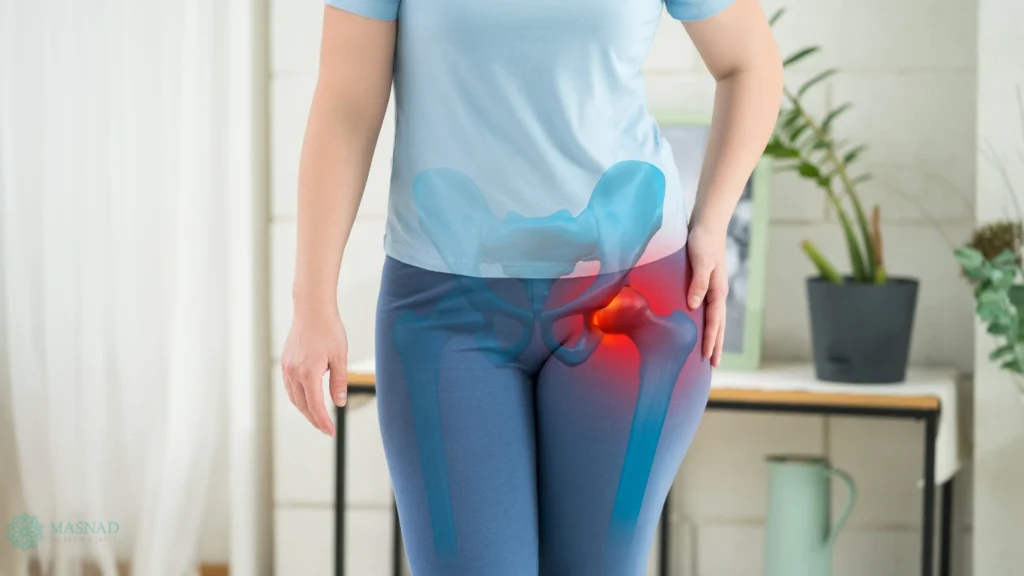
Hip pain can affect anyone, from athletes to office workers, and one common cause is a hip labral tear. The labrum is a rim of cartilage that lines the hip socket, providing stability while allowing smooth movement. When this cartilage is damaged, it can cause pain, stiffness, or a feeling that your hip is “locking” or “catching.”

Labral tears are more common in people who put repeated stress on their hips, such as dancers, gymnasts, and athletes in pivot-heavy sports. Early diagnosis and treatment are essential to prevent long-term complications like arthritis.

Torn Labrum

What is the Hip Labrum?

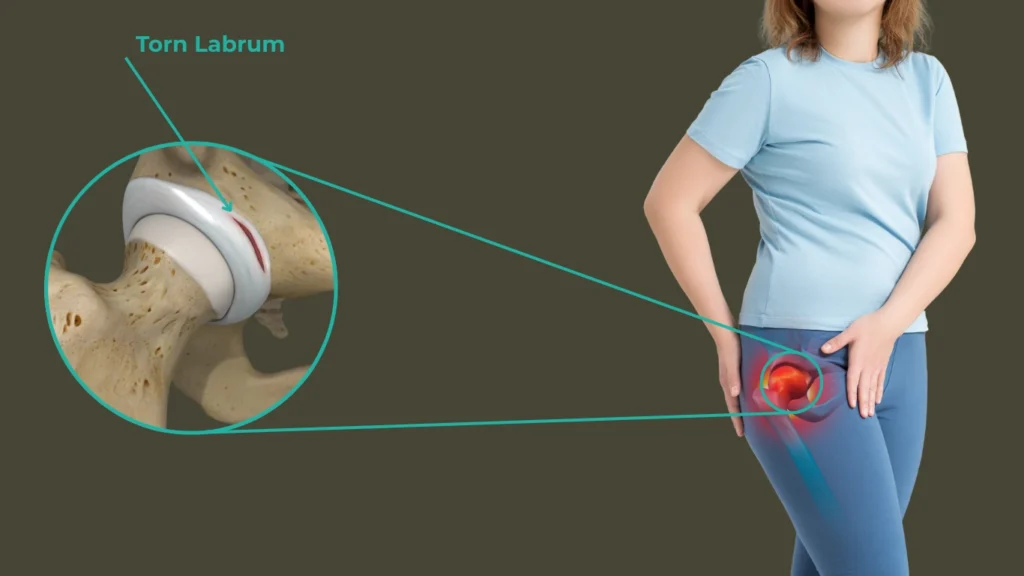
The hip labrum is a fibrocartilage lining of your hip socket (acetabulum). It acts like a cushion around the femoral head (the ball of your thigh bone), keeping the joint stable while allowing smooth and pain-free movement.

A labral tear occurs when this cartilage is damaged due to injury, repetitive movements, or structural issues in the hip. Unlike muscles, cartilage does not heal quickly on its own, so a tear may require careful management or even surgery in severe cases.

Causes of Hip Labral Tears

Hip labral tears can happen due to:

  • Injury or Trauma – Falls, car accidents, or sudden twists can tear the labrum.
  • Repetitive Stress – Activities that require frequent pivoting, twisting, or deep hip flexion, such as gymnastics, ballet, soccer, or hockey.
  • Femoroacetabular Impingement (FAI) – Abnormal bone shapes in the hip joint cause friction, gradually wearing down the labrum.
  • Osteoarthritis – Chronic wear and tear on the hip joint can damage the cartilage.

Symptoms

Common signs of a labral tear include:

  • Pain in the front of the hip or groin
  • Clicking, locking, or catching sensations in the hip joint
  • Feeling unstable or wobbly when standing or walking
  • Stiffness or reduced hip movement
  • Limping during walking or physical activity

Note: Some small tears may not show symptoms immediately, making early detection challenging.

Diagnosis

A hip labral tear is diagnosed through a combination of:

  • Physical Examination – Your physiotherapist or doctor will assess hip movement, pain points, and stability.
  • Imaging Tests
    • MRI or MRI Arthrogram: Shows detailed cartilage and soft tissue damage
    • X-ray: Helps identify bone abnormalities or impingement
    • Ultrasound/CT scan: Occasionally used to examine joint structure

Early diagnosis is important to prevent further joint damage and to plan effective treatment.

Treatment Options

Non-Surgical Treatments

  • Physiotherapy: Focused on improving hip strength, flexibility, and correcting movement patterns
  • Activity Modification: Avoid movements that aggravate the hip
  • Pain Relief: NSAIDs or acetaminophen for inflammation and discomfort
  • Corticosteroid Injections: Reduce inflammation in persistent cases

Surgical Treatments

If symptoms persist despite conservative care, surgery may be required:

  • Hip Arthroscopy: A minimally invasive procedure to repair or remove torn labral tissue
  • Bone Reshaping: If FAI is causing the tear, the surgeon may correct bone shape to reduce future impingement

Recovery: Most patients return to daily activities within 4–6 months post-surgery, though physiotherapy continues during recovery to restore full function.

How Physiotherapy Helps

Physiotherapy plays a vital role in both conservative and post-surgical care:

  • Reduces pain and inflammation
  • Strengthens surrounding muscles to support hip stability
  • Improves hip flexibility and range of motion
  • Corrects movement patterns to prevent future tears

A structured program can help you return to sports or daily activities safely and prevent re-injury.

Why Choose Masnad Health Clinic?

At Masnad Health Clinic, we combine expertise, advanced diagnostics, and personalized physiotherapy to help you recover from hip labral tears. Our team:

  • Conducts detailed assessments to pinpoint the cause of hip pain
  • Designs individualized rehabilitation programs
  • Offers guidance for both conservative and post-surgical recovery

Focuses on restoring mobility, strength, and your quality of life

Conclusion

Hip Labral Tears can affect your mobility and quality of life, but with the right combination of medical care, physiotherapy, and personalized rehabilitation, you can reduce pain, restore function, and return to your daily activities safely.

For all your hip health needs, call us at (02) 9793 8840 or book your appointment online to start your journey toward pain-free movement and improved hip function.

FAQ

No, cartilage does not regenerate naturally. Small tears may not cause pain, but most require physiotherapy or surgery for repair.

Symptoms include groin pain, stiffness, clicking, or instability. Imaging tests like MRI are used for confirmation.

Recovery usually takes 4-6 months. Physiotherapy is essential for regaining strength and mobility.

Mild tears may allow low-impact activity, but high-impact or pivoting sports may worsen the injury. Consult a physiotherapist.

In many cases, yes. Targeted physiotherapy can reduce pain, improve hip function, and sometimes avoid the need for surgery.