
Low Back Pain

Low Back Pain: Causes, Symptoms, and How Physiotherapy Can Help

What is Low Back Pain?

Low back pain (LBP) is a widespread condition affecting up to 60–80% of people in Western populations at some point in their lives. It is one of the most common causes of chronic pain and can significantly impact quality of life, work attendance, and healthcare costs.

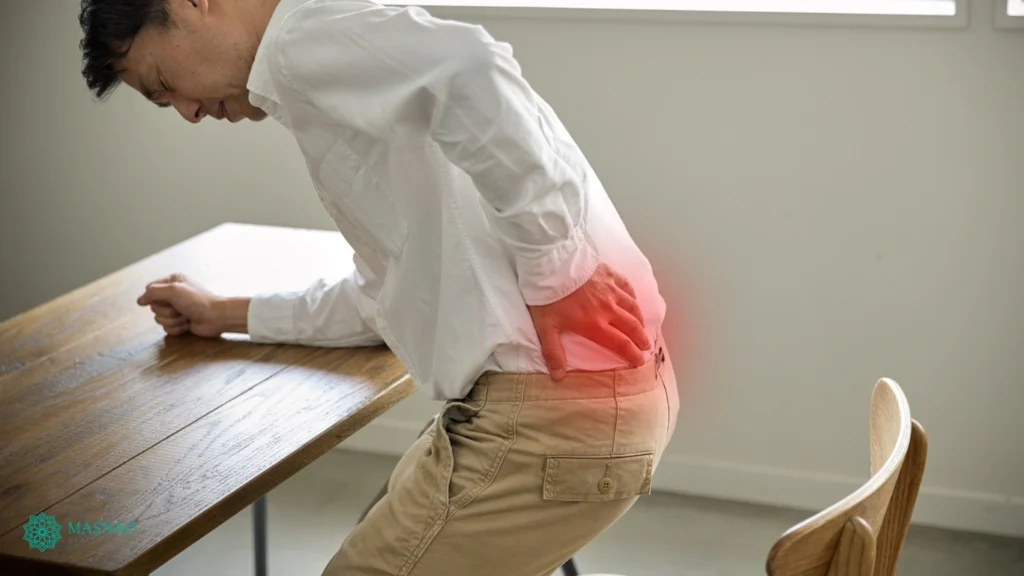
Interestingly, low back pain often occurs without any specific preceding injury. Some people experience a sudden onset after an ordinary movement, while others notice gradual discomfort that intensifies over time. Both scenarios can interfere with daily activities, sleep, and physical performance.

Sedentary lifestyles, poor posture, increased body weight, and lack of physical activity are among the key contributing factors. With obesity rates on the rise, musculoskeletal pain has become more common than ever.
Anchiles Tendon

What Causes Low Back Pain?

The lower back is a complex structure comprising bones, muscles, ligaments, nerves, and discs. Pain can arise from any of these tissues, and often it is a combination rather than a single source. Common contributors include:

  • Muscle strain or ligament sprain: Overstretching or overuse can irritate muscles and ligaments, causing pain and stiffness.
  • Poor posture: Slouching at desks or prolonged sitting can overload spinal structures.
  • Reduced core strength: Weak abdominal and back muscles reduce spinal support, increasing injury risk.
  • Degenerative changes: Age-related changes in discs or joints can contribute to chronic discomfort.
  • Obesity and lifestyle factors: Extra weight and inactivity place additional stress on the spine.

Certain high-impact activities or sudden movements—such as lifting heavy objects incorrectly or twisting awkwardly—can trigger acute episodes of LBP. However, for many, the pain develops gradually over weeks or months, often with no identifiable cause.

Symptoms of Low Back Pain

Symptoms of low back pain vary widely depending on the underlying cause, severity, and individual factors. Common signs include:

  • Dull or sharp pain in the lower back
  • Stiffness or difficulty bending and moving
  • Pain radiating into the buttocks, hips, or thighs
  • Muscle spasms or tightness
  • Difficulty standing, walking, or performing daily activities

In some cases, pain may be intermittent, appearing only after prolonged sitting, standing, or activity. Others may experience persistent discomfort that affects sleep and overall quality of life.

Diagnosis: Understanding the Source

Diagnosing low back pain begins with a thorough clinical assessment. Your physiotherapist or doctor will ask about your symptoms, medical history, and daily activities. They may perform specific movement tests to determine which structures in your back are contributing to pain.

Imaging tests such as X-rays or MRI scans can help rule out serious injuries, but they are not always indicative of pain severity. Studies show that many people without back pain have changes in spinal structures visible on scans. Therefore, imaging is used selectively, mainly to exclude fractures, disc herniations, or other serious conditions.

How Physiotherapy Can Help

Physiotherapy is the cornerstone of effective low back pain management. A tailored program can reduce pain, improve mobility, and strengthen the muscles that support your spine. Key elements include:

  • Exercise therapy: Targeted strengthening and flexibility exercises for the core, back, and hip muscles
  • Posture correction: Guidance on sitting, standing, and workplace ergonomics
  • Manual therapy: Techniques such as soft tissue massage or joint mobilisations to relieve stiffness and promote healing
  • Education: Advice on activity modification, safe lifting techniques, and strategies to prevent recurrence

Regular physiotherapy and adherence to a personalised exercise plan can dramatically improve long-term outcomes and reduce reliance on medication.

Prevention: Keeping Your Back Healthy

While it’s impossible to guarantee a completely pain-free back, certain lifestyle measures can reduce your risk of developing LBP:

  • Stay active and engage in regular low-impact exercise
  • Maintain a healthy body weight
  • Strengthen core and back muscles
  • Avoid prolonged sitting or poor postures
  • Practice safe lifting and bending techniques
  • Reduce smoking and excessive alcohol consumption

Simple adjustments, such as using ergonomic chairs or taking regular movement breaks at work, can also make a significant difference in spinal health.

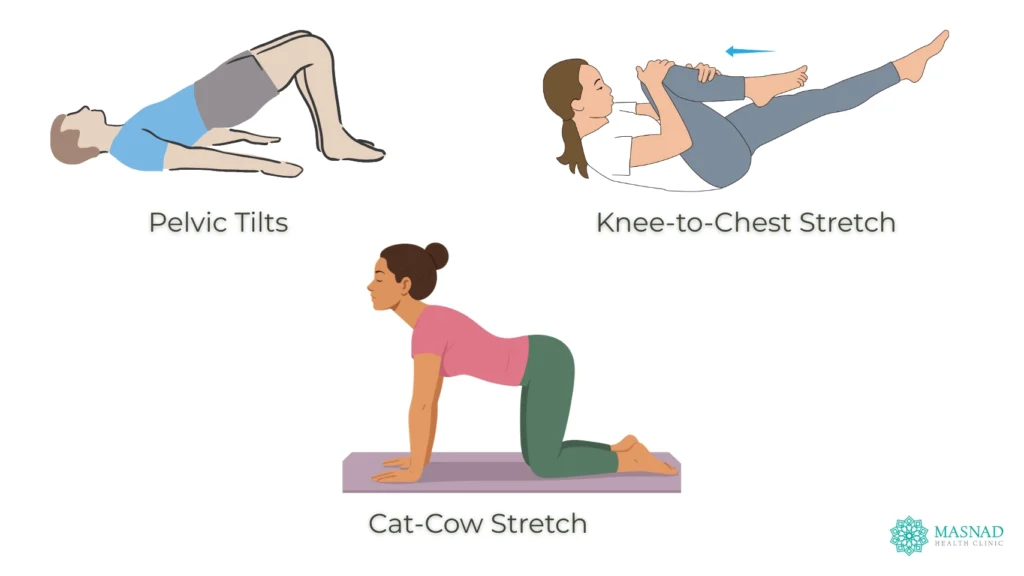
Exercises for Low Back Pain

Exercises for Low Back Pain
  1. Pelvic Tilts
  • Lie on your back with knees bent and feet flat on the floor.
  • Gently flatten your lower back against the floor by tightening your abdominal muscles.
  • Hold for 5 seconds, then release. Repeat 10–15 times.
    Purpose: Strengthens core muscles and reduces stiffness.
  1. Knee-to-Chest Stretch
  • Lie on your back, bring one knee towards your chest while keeping the other leg bent or straight.
  • Hold for 20–30 seconds, then switch legs. Repeat 2–3 times per leg.
    Purpose: Stretches lower back and glute muscles, relieving tension.
  1. Cat-Cow Stretch
  • Start on hands and knees. Arch your back upwards (cat) and then dip your stomach downwards while lifting your head (cow).
  • Repeat 10–12 times slowly.
    Purpose: Improves spinal mobility and reduces stiffness.

When to Seek Medical Advice

Seek professional care if you experience:

  • Severe or persistent pain that limits daily activities
  • Numbness, tingling, or weakness in the legs
  • Pain following a fall, trauma, or accident
  • Pain accompanied by fever, unexplained weight loss, or bladder/bowel issues

Early assessment allows your healthcare provider to determine the underlying cause and start a tailored treatment plan before the problem becomes chronic.

Conclusion

Low back pain is a common condition that can significantly affect daily life and work. While it may occur suddenly or develop gradually, early assessment and a tailored physiotherapy program are key to managing symptoms and preventing recurrence.

At Masnad Health Clinic, our experienced physiotherapists provide personalised care to help you reduce pain, improve strength, and restore mobility. With professional guidance and a commitment to your rehabilitation, most people can return to their normal activities safely and confidently.

For all your Low Back Pain concerns, call 02 9793 8840 or Book Online today to start your journey to a stronger, pain-free back.

FAQ

Mild episodes may resolve with rest, gentle activity, and lifestyle adjustments. However, chronic or severe pain often requires professional assessment and guided rehabilitation.

Yes. Exercise tailored to your condition improves strength, flexibility, and spinal stability. A physiotherapist can design the right program.

Not always. Imaging is useful for ruling out serious conditions, but many people have spinal changes on scans without any pain.

Maintain core strength, stay active, use proper posture, and avoid prolonged sitting. Workplace ergonomics and safe lifting techniques are also important.