
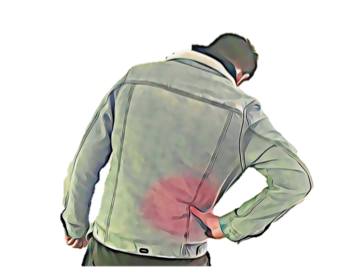
Spinal Stenosis

Spinal Stenosis: Causes, Symptoms, and Physiotherapy Management

What Is Spinal Stenosis?

Spinal Stenosis

Your spine is designed to protect the spinal cord, nerves, and blood vessels, acting like a strong protective casing. Inside the spine is a hollow canal that allows the spinal cord to run from your brain to the rest of your body. At each level, nerves exit the spine and supply different areas of the body.

Spinal stenosis occurs when these spaces narrow, putting pressure on the nerves and blood supply.
The most common cause is age-related degeneration, which is why spinal stenosis is more common in adults over 60. Many people have narrowing of the spine without pain—but when symptoms appear, that’s when it’s clinically called spinal stenosis.

Symptoms

Symptoms vary depending on where the stenosis occurs and how severely nerves are compressed.

Lumbar (Lower Back) Stenosis Symptoms

  • Low back pain
  • Pain shooting down to legs (similar to sciatica)
  • Heavy or cramping feeling in legs
  • Tingling or numbness in feet or buttocks
  • Symptoms worsen when standing or walking
  • Relief when sitting or bending forward

Cervical (Neck) Stenosis Symptoms

  • Neck pain
  • Tingling or numbness in arms, hands, legs or feet
  • Arm or hand weakness
  • Trouble with balance or walking
  • Difficulty with fine motor tasks (like buttoning clothes)

What Causes Spinal Stenosis?

Acquired Causes (Most Common)

  • Osteoarthritis leading to bone spurs
  • Bulging or herniated discs
  • Thickened ligaments from arthritis
  • Spine injuries or fractures
  • Spine cysts or tumors

Congenital (From Birth) Causes

Less common but may include:

  • Abnormally narrow spinal canal
  • Genetic bone conditions
  • Curvature issues during development

Diagnosis

Healthcare providers diagnose spinal stenosis using:

  • Physical examination — checking mobility, nerve function and pain points
  • Spine X-ray — shows bone changes, bone spurs, or disc height loss
  • MRI — best view of nerves, discs and soft tissues
  • CT or CT Myelogram — detailed imaging with contrast dye

Diagnosis helps determine the exact level of compression and best treatment plan.

Treatment Options for Spinal Stenosis

Treatment depends on severity, cause and location. Most patients improve with nonsurgical options.

1. At-Home Care

  • Heat therapy for stiffness
  • Ice for swelling and inflammation
  • Light exercise (only as recommended by your doctor)
  • Good posture and core-strengthening workouts

2. Medications

  • NSAIDs for pain and inflammation
  • Nerve pain medications like gabapentin
  • Antidepressants for nerve sensitivity
  • Muscle relaxants for spasms

3. Physical Therapy

  • Strengthening the core and lower back
  • Improving flexibility and posture
  • Learning safe movement techniques
  • Gait training to reduce pressure on nerves

4. Injections

  • Corticosteroid injections to reduce inflammation
  • Epidural injections for nerve relief

5. Surgery (If All Else Fails)

Surgery is recommended only when severe symptoms persist.

Common procedures:

  • Laminectomy – removes part of vertebra to create space
  • Laminotomy – partial removal of lamina
  • Foraminotomy – opens nerve exit pathways
  • Laminoplasty – expands spinal canal (for cervical stenosis)
  • Spinal fusion – stabilizes segments when instability is present
  • Interspinous spacers (minimally invasive)

Most people do not require surgery.

Prevention & Lifestyle Tips

While aging cannot be stopped, you can slow progression:

  • Maintain a healthy weight
  • Keep good posture
  • Exercise regularly
  • Strengthen core and back muscles
  • Avoid smoking
  • Eat calcium-rich foods for strong bones

How Can Physiotherapy Help?

A physiotherapist will perform a full assessment to rule out other causes of leg or back pain. Imaging may be used if needed.

Physiotherapy is highly effective for mild–moderate spinal stenosis, helping with:

  • Pain relief
  • Mobility improvement
  • Strength building
  • Reducing nerve irritation
  • Managing flare-ups

Your treatment may include:

  • Manual therapy
  • Targeted exercises
  • Posture and movement strategies
  • Strengthening of core and hip muscles
  • Education to manage daily activities safely

If surgery becomes necessary, your physiotherapist can also guide you through pre- and post-operative care.

Why Choose Masnad Health Clinic?

  • Spine specialists with extensive experience managing stenosis
  • Personalised assessment and treatment plans
  • Evidence-based manual therapy and rehabilitation
  • Supportive team focused on long-term mobility and pain relief
  • Guidance for both non-surgical and surgical pathways

Conclusion

  1. Spinal stenosis can be managed successfully with early physiotherapy, targeted exercises, and the right movement strategies.
  2. Understanding your condition and avoiding symptom-triggering activities are key to long-term relief.
  3. Professional guidance ensures safe recovery and improved mobility.

For personalised spinal stenosis care, call  02 9793 8840 or book your appointment online today.

FAQs

The narrowing is structural, but symptoms can be greatly improved with physiotherapy.

Only in severe cases. Most people recover well with conservative treatment.

Walking may trigger symptoms, but the right technique and exercises help you walk longer without pain.

Yes—exercise is one of the best treatments when guided by a physiotherapist.

Yes, flexed positions temporarily open the spinal canal and reduce nerve pressure.