
Fibula Fractures

Fibula Fractures: Causes, Symptoms, Diagnosis, and Recovery

What is a Fibula Fracture?

A fibula fracture is a break or crack in the fibula, the smaller of the two bones in your lower leg, located alongside the tibia. While the tibia bears most of your body weight, the fibula is important for stability of the ankle and supporting muscles of the lower leg.

Fibula fractures can happen at any part of the bone and are common in both sports injuries and accidents. In Bankstown, Lakemba, Greenacre, and surrounding suburbs, we see many fibula fractures caused by ankle twists, falls, or direct trauma during athletic activities. Prompt assessment and treatment are essential for a safe recovery.
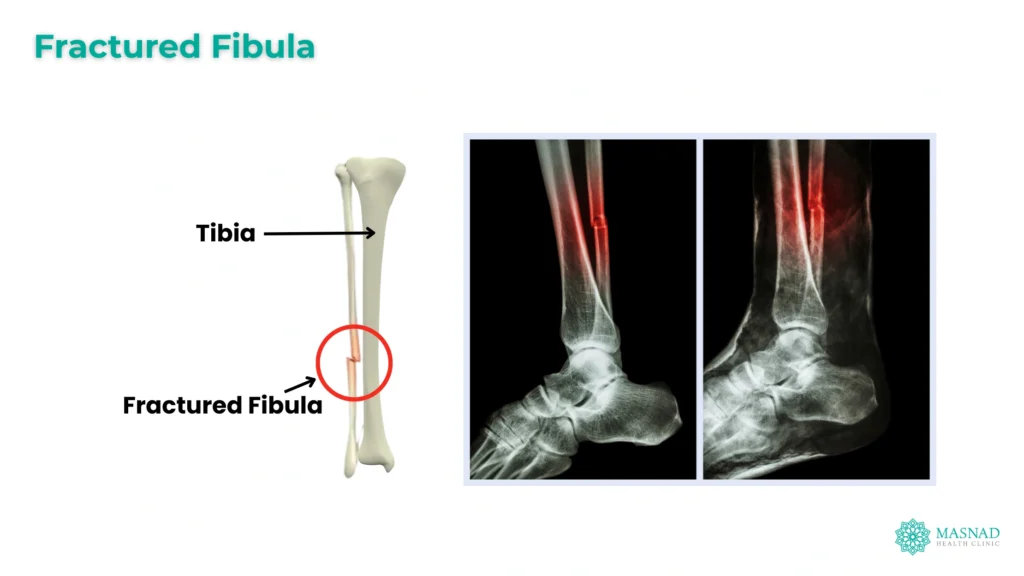

Fibula Fractures

Causes: How Fibula Fractures Happen

Fibula fractures occur when the force applied to the bone exceeds its strength. Common causes include:

1. Blunt Force Trauma

Direct impacts to the lower leg-such as a car accident, a high-impact fall, or being struck by a sports ball-can break the fibula. Often, both the tibia and fibula may fracture if the force is significant.

2. Severe Ankle Sprains

Interestingly, the most common cause of fibula fractures is twisting injuries to the ankle. Strong ligaments on the outside of the foot can sometimes pull on the fibula during a severe sprain, leading to a fracture. These injuries are often missed because the fibula is non-weight-bearing, allowing some patients to continue walking despite the fracture.

3. Repetitive Stress

Stress fractures of the fibula can occur in athletes and runners, particularly when there is sudden increased training intensity or inadequate recovery.

4. Medical Factors

Bone weakness from conditions such as osteoporosis, poor nutrition, or chronic illness can increase fracture risk, even with minor trauma.

Symptoms: Recognising a Fibula Fracture

Symptoms vary depending on the type and severity of the fracture:

  • Immediate pain on the outer lower leg or ankle
  • Swelling and bruising, sometimes extending to the foot
  • Visible deformity in displaced fractures
  • Difficulty walking or bearing weight
  • Tenderness over the bone
  • Skin breaks or bleeding in severe, open fractures

Even if walking is possible after a minor fracture, early assessment is important to prevent complications.

Diagnosis: How Physiotherapists Identify Fibula Fractures

At Masnad Health Clinic, our Bankstown physiotherapy team often identifies fibula fractures while assessing ankle injuries. Diagnosis typically involves:

  • Physical examination: Checking for tenderness, swelling, or gaps in the bone
  • Range of motion assessment: Testing ankle and lower leg movement
  • Imaging: X-rays confirm fractures, while CT or MRI may be used for complex cases

Early diagnosis ensures timely treatment and prevents long-term complications.

How Physiotherapy Helps: Masnad’s Multidisciplinary Approach

Physiotherapy plays a key role in rehabilitating fibula fractures. At Masnad Health Clinic, our physiotherapists provide:

  • Muscle strengthening: Focused on calf, shin, and ankle muscles
  • Joint mobilisation: Restores flexibility in the ankle and lower leg
  • Balance and proprioception training: Reduces future injury risk
  • Functional rehabilitation: Prepares you for sports, work, and daily activities

We often combine physiotherapy with exercise physiology, chiropractic care, and women’s health physiotherapy to ensure a holistic recovery.

Treatment Options and Expected Recovery

Non-Surgical Management

For stable fractures, conservative treatment may include:

  • Immobilisation with a cast, splint, or moon boot
  • Restricted weight-bearing initially, gradually increasing
  • Structured physiotherapy after bone healing

Surgical Management

Displaced or severe fractures may require surgery to fix the fibula. Post-surgical rehabilitation focuses on:

  • Restoring ankle and lower leg strength and mobility
  • Improving balance and coordination
  • Gradual return to walking, running, and sports

Recovery time: Bone healing generally takes 6-12 weeks, while full functional recovery may take 3–6 months with guided physiotherapy.

Prevention Tips: Keeping Your Fibula Safe

Preventing fibula fractures focuses on strength, flexibility, and safety:

  • Warm up before exercise or sports
  • Wear supportive footwear for your activity
  • Strengthen lower leg, ankle, and core muscles
  • Gradually increase training intensity
  • Seek physiotherapy for previous injuries or ankle instability
  • Maintain bone health with nutrition, calcium, and vitamin D

These strategies are particularly important for residents in Chullora, Yagoona, Greenacre, and surrounding Sydney suburbs.

Why Choose Masnad Health Clinic

Our Bankstown and Lakemba clinics provide personalised, multidisciplinary physiotherapy for fibula fractures. We focus on:

  • Physiotherapy for injury recovery
  • Pain management physiotherapy
  • Multidisciplinary physiotherapy treatment

Our warm, community-focused approach ensures clients regain mobility, confidence, and independence. We also provide complementary services including:

Book an Appointment

Need a trusted physiotherapist near Bankstown or Lakemba?
Masnad Health Clinic offers personalised, multidisciplinary care to help you recover safely from fibula fractures and regain mobility.
Book your appointment online or call us today at (02) 9793 8840.

FAQs

Most fractures heal in 6-12 weeks, with full functional recovery in 3–6 months with physiotherapy.

Minor fractures may allow limited walking, but weight-bearing should always be guided by a medical professional.

Yes, physiotherapy restores strength, flexibility, and balance post-surgery.

Yes, severe ankle sprains can sometimes fracture the fibula, especially if imaging is not performed.

Strengthening, stretching, proper footwear, gradual training, and good bone health are key.