

Fatigue, Stress & Anxiety: Why You Feel Constantly Drained
Feeling exhausted has become so common that many people believe it’s simply…

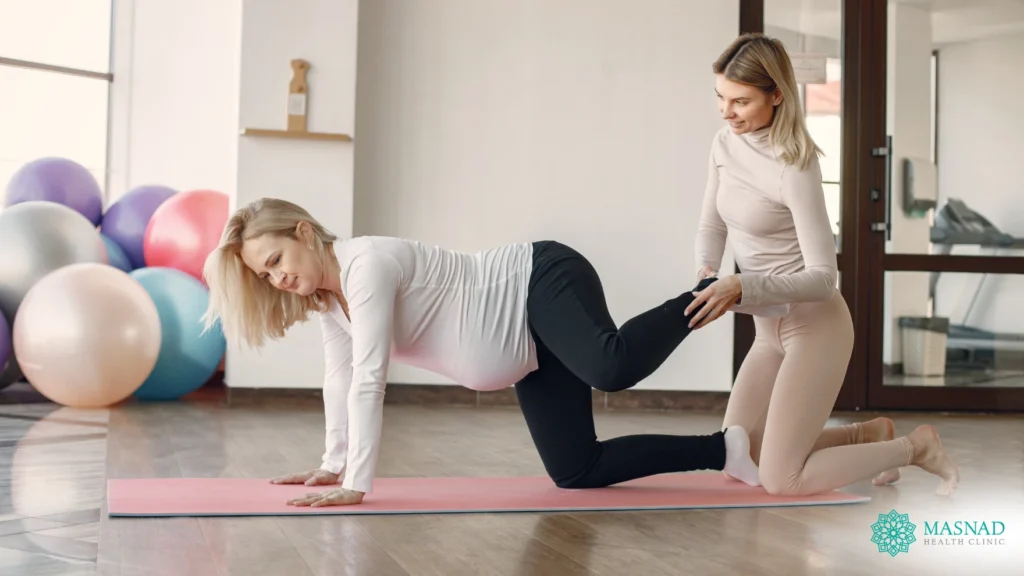
Pregnancy is an extraordinary journey that brings profound changes to your body. Whilst creating new life is miraculous, the physical transformation can also bring unexpected challenges-from persistent back pain and pelvic discomfort to questions about staying active safely. Many women experience aches, pains, and limitations they’ve never encountered before, often unsure whether these symptoms are normal or require attention.
Understanding how your body changes during pregnancy and knowing how to support it through each stage can make a significant difference to your comfort, wellbeing, and long-term health. Physiotherapy offers evidence-based guidance and treatment throughout pregnancy, during labour, and in the postnatal period, helping you navigate this transformative time with confidence.
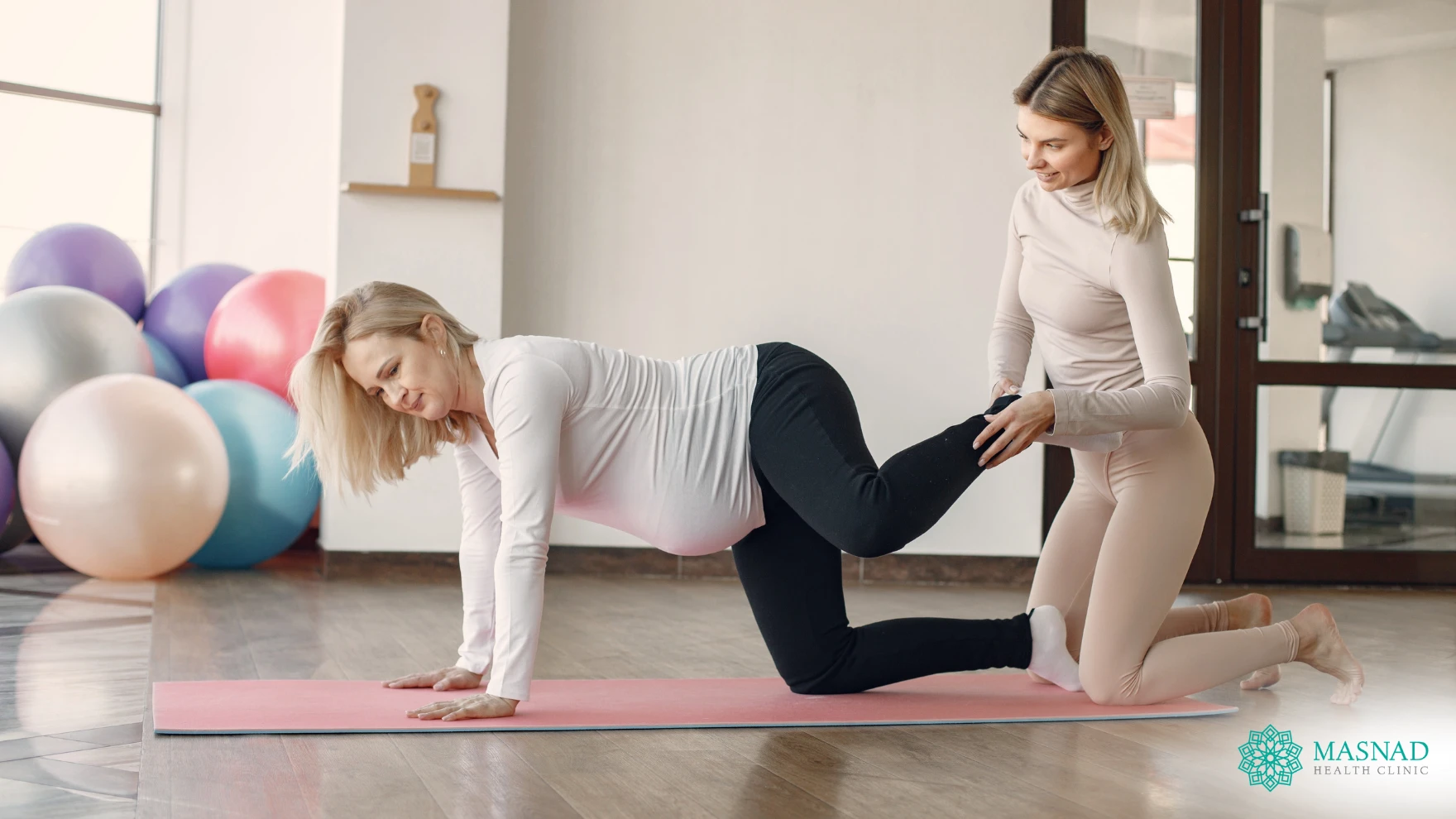
During pregnancy, several key changes occur:
Together, these changes can contribute to common pregnancy-related issues such as lower back pain, pelvic girdle pain, hip discomfort, and muscle fatigue.
Pregnancy guidelines generally focus on two important questions:
A physiotherapist can help you understand which movements and exercises are appropriate for your specific stage of pregnancy.
Physiotherapy can support you before, during, and after pregnancy, offering both treatment and education tailored to your changing body.
Physiotherapists commonly help manage:
Early treatment can reduce pain, improve mobility, and help you stay active throughout pregnancy.
A physiotherapist with specialised training can:
Strong, well-coordinated pelvic floor muscles are essential not only during pregnancy, but also for long-term health after childbirth.
Physiotherapy can also help:
Supporting your body during pregnancy can make the transition into the post-natal period smoother and more comfortable.
Many women assume that pain during pregnancy is something they simply have to “put up with.” While some discomfort can be normal, persistent pain is not something you should ignore.
Early physiotherapy intervention can:
This article is not intended to replace medical advice. Every pregnancy is different, and it’s important to speak with your physiotherapist and medical practitioner to ensure the best care for you and your baby.
At Masnad Health Clinic, our experienced physiotherapists provide gentle, evidence-based care tailored to pregnancy and post-natal needs. We’re here to help you move comfortably, feel confident in your body, and support your long-term health.
Call now to book your physiotherapy appointment: (02) 9793 8840
Yes. Physiotherapy is safe during pregnancy when provided by a qualified professional and tailored to each stage of pregnancy.
You can see a physiotherapist at any stage of pregnancy, especially if you experience back pain, pelvic pain, or want guidance on safe exercise.
Yes. Physiotherapy can help strengthen and coordinate the pelvic floor to reduce the risk of incontinence during and after pregnancy.
In most cases, no referral is needed. You can book directly with a physiotherapist.
Absolutely. Post-natal physiotherapy supports recovery, pelvic floor health, posture, and return to activity after birth.
Many people live with pain, stiffness, or movement restrictions for weeks, months, or even years before seeking professional help.
Many people live with pain, stiffness, or movement restrictions for weeks, months, or even years before seeking professional help.

Are you in pain? Not sure if we can help you?
Book your initial appointment and receive 10% off any service!