

Herbal Medicine, Vitamins and Lifestyle Changes Explained
Introduction When people think of naturopathy, they often imagine herbal remedies or…

Osteoporosis is a common condition that affects millions of Australians, particularly those over 50. It is characterised by low bone mass and density, which makes bones fragile and more prone to fractures. Often called a “silent disease,” osteoporosis can progress without obvious symptoms until a bone is broken.
Understanding the condition, how it develops, and what you can do to maintain bone health is essential for long-term mobility and quality of life.
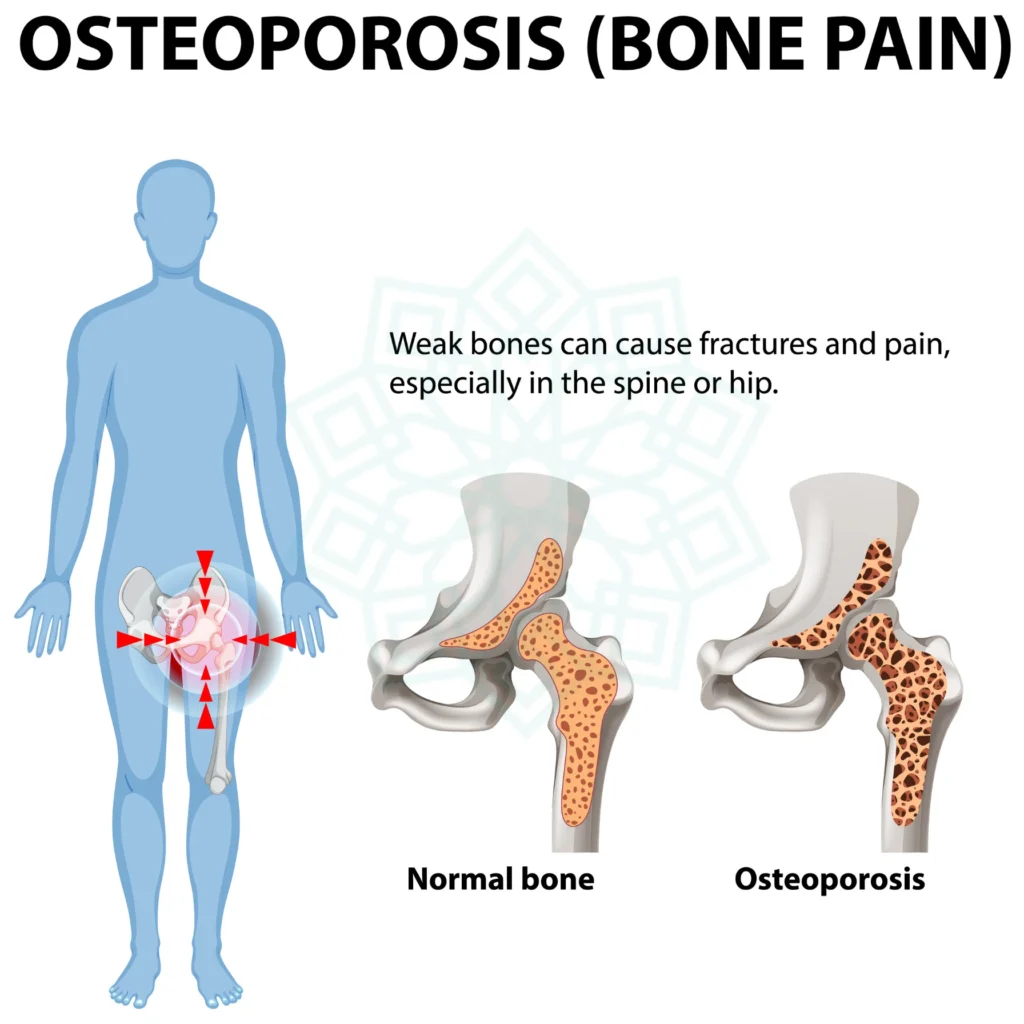
Osteoporosis is a metabolic bone disorder where the balance between bone formation and breakdown is disrupted. Healthy bones are constantly renewed, but in osteoporosis, bone resorption outpaces formation. This leads to:
Fractures caused by osteoporosis commonly occur in the wrist, spine, or hip. Spinal involvement can lead to a hunched posture, respiratory issues, and ongoing pain. Over time, osteoporosis can affect mobility, independence, and overall quality of life.
Osteoporosis is often symptom-free in its early stages. Common signs and symptoms include:
Because osteoporosis develops slowly, many people are unaware they have it until a fracture occurs. Early detection is therefore crucial to prevent serious complications.
Osteoporosis develops when bone strength is compromised due to one or more factors:
Other lifestyle factors, such as smoking or excessive alcohol consumption, may also contribute to bone loss.
Physiotherapy plays a key role in managing osteoporosis and reducing fracture risk. Your physiotherapist can:
Regular physiotherapy, combined with a balanced diet and healthy lifestyle, helps maintain independence and improves overall quality of life.
At Masnad Health Clinic, we understand how osteoporosis can impact daily life. Our physiotherapists focus on:
Through personalised, evidence-based care, we help you maintain mobility, independence, and confidence in daily activities.
If you have osteoporosis or want to proactively protect your bones, early assessment is key.
Book your appointment online today
Or call us on (02) 9793 8840
While lost bone cannot always be fully regained, treatment and exercise can slow progression and strengthen existing bone.
Physiotherapy improves bone health through weight-bearing exercises, balance training, posture improvement, and lifestyle guidance.
Fractures commonly occur in the spine, wrist, and hip.
Yes, calcium and vitamin D are essential for bone health, alongside a balanced diet and safe exercise.
While it’s more common in people over 50, early prevention and healthy lifestyle choices can reduce risk at any age.
Many people live with pain, stiffness, or movement restrictions for weeks, months, or even years before seeking professional help.
Are you in pain? Not sure if we can help you?
Book your initial appointment and receive 10% off any service!