

Fatigue, Stress & Anxiety: Why You Feel Constantly Drained
Feeling exhausted has become so common that many people believe it’s simply…


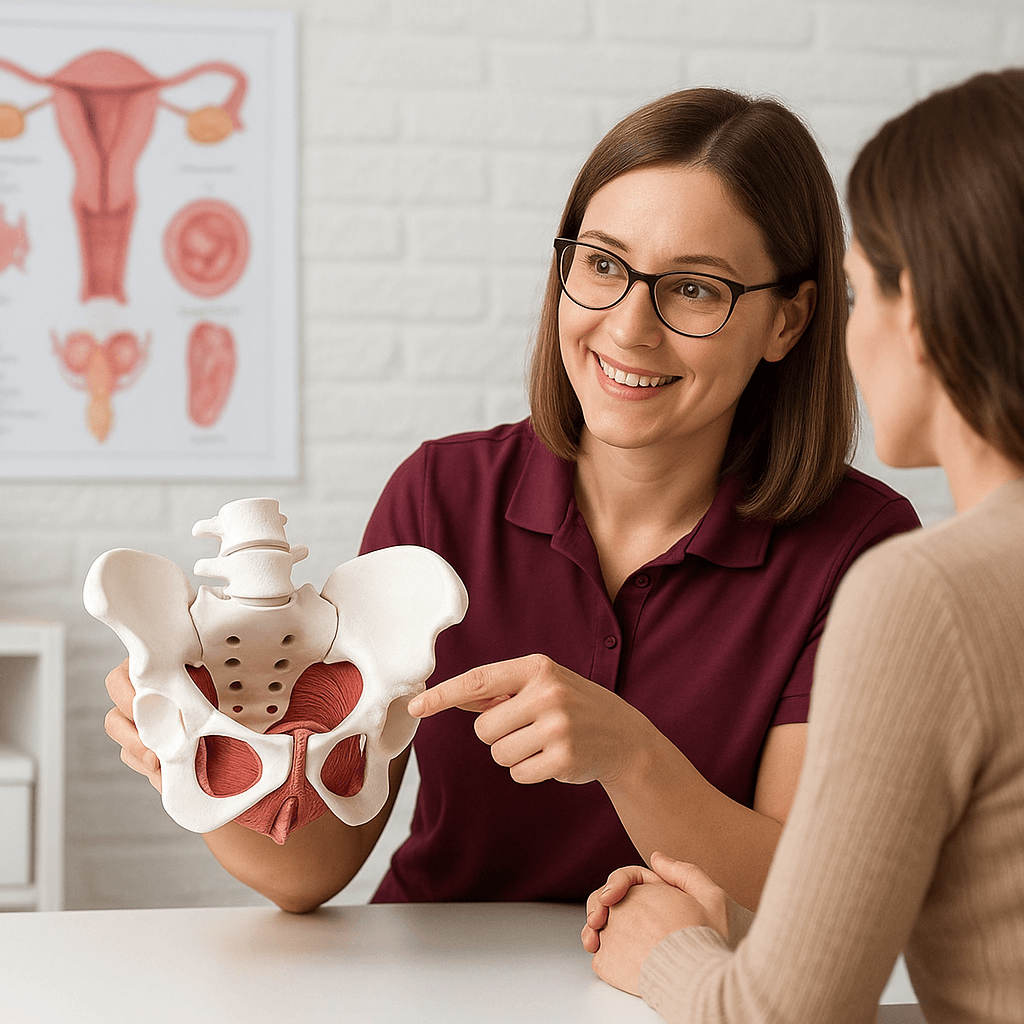
Pelvic organ prolapse (POP) is a common condition affecting many women – yet it remains surrounded by confusion, silence, and stigma. At Masnad Health Clinic, we believe in educating and empowering women with evidence-based information so they can make informed decisions about their health.
In this blog post, we’re busting 7 of the most common myths about pelvic organ prolapse and sharing practical, reassuring advice to help you feel confident in managing your pelvic health.
While prolapse is more common post-menopause, it can affect women of all ages – including those who are pregnant, postpartum, or even without children. Factors like vaginal childbirth, chronic constipation, heavy lifting, or genetics can all contribute.
★★★ The truth: Any woman with pelvic floor weakening can develop prolapse – regardless of age.
Surgery is not the only option for prolapse management. In fact, conservative treatments such as pelvic floor physiotherapy and pessary fitting are first-line, evidence-based approaches that can effectively reduce symptoms and improve quality of life.
The truth: Many women manage their prolapse well without surgery, especially when supported early by a women’s health physiotherapist.
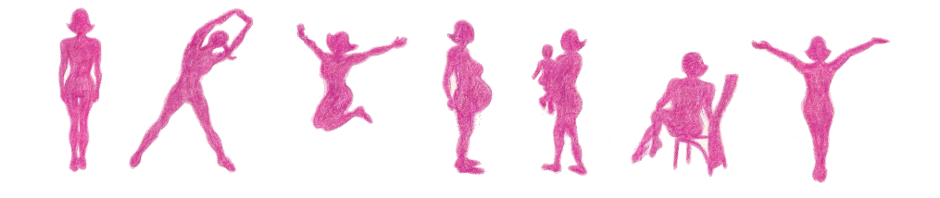
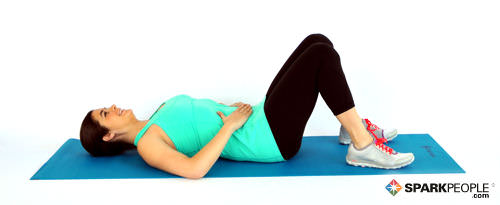
Avoiding all exercise can actually make things worse. While some high-impact movements may need modifying, a tailored exercise plan can strengthen the pelvic floor and surrounding muscles, improving support for pelvic organs.
The truth: With the right guidance, most women can safely stay active with prolapse—and should!

Kegels (pelvic floor exercises) can help – but only if done correctly and only if they’re actually suitable for your pelvic floor condition. Some women with a tight or overactive pelvic floor may find that the ‘squeezing’ pelvic floor exercises worsen their symptoms.
The truth: A pelvic floor assessment is essential to determine the right type of exercise for you so an individualised exercise program can be prescribed for you.
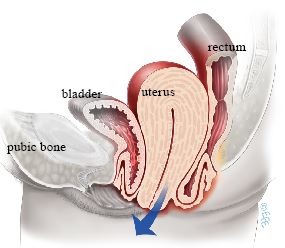
This myth understandably creates fear. In reality, prolapse is a slight descent or shift of the pelvic organs (bladder, uterus, or bowel) toward the vaginal wall. Symptoms can include pressure, heaviness, or a bulging sensation – but it’s not as extreme as the myths suggest.
The truth: Prolapse can vary in severity and may not always be visible or felt as a “falling out.”
Prolapse may affect intimacy, but it does not mean you need to stop having sex. With proper treatment, open communication, and sometimes modifications, most women continue to enjoy a satisfying sex life.
The truth: A women’s health physiotherapist can help address discomfort and support your sexual wellbeing.
Prolapse and pelvic floor issues are common postpartum – but they’re not something you have to live with. Early support can make a huge difference in recovery and long-term function.
The truth: With guidance from a qualified physiotherapist, many women make a full return to activity and comfort.
If you’re experiencing symptoms like pelvic heaviness, a feeling of a bulge, or discomfort when standing for long periods, you don’t have to wait until it worsens. Seeking help early means more treatment options and better outcomes.
At Masnad Health Clinic in Bankstown, our Women’s Health Physiotherapist provides:
You deserve answers, relief, and a clear plan forward. To book an appointment or learn more about how we can help, call Masnad Health Clinic or book online through our website.
Masnad Health Clinic – Supporting Women at Every Stage of Life.
Located in Bankstown | Compassionate Care | Trusted Health Professionals
Many people live with pain, stiffness, or movement restrictions for weeks, months, or even years before seeking professional help.
Many people live with pain, stiffness, or movement restrictions for weeks, months, or even years before seeking professional help.
Many people live with pain, stiffness, or movement restrictions for weeks, months, or even years before seeking professional help.
Many people live with pain, stiffness, or movement restrictions for weeks, months, or even years before seeking professional help.