

Fatigue, Stress & Anxiety: Why You Feel Constantly Drained
Feeling exhausted has become so common that many people believe it’s simply…


Sleep plays a crucial role in physical recovery, mental clarity, and overall wellbeing. Yet, many people struggle to achieve deep, restorative sleep due to pain, stiffness, or poor posture. Considering we spend almost one-third of our lives in bed, the positions we adopt each night have a significant impact on our muscles, joints, and spine.
Sleeping in a position that places minimal stress on your joints and muscles is key to waking up refreshed. Over time, awkward or unsupported positions can create pressure points, resulting in stiffness, discomfort, or even chronic pain.
When your spine and joints are supported, you wake up feeling lighter and more energised – not in need of another stretch or pain relief routine.
Back pain is one of the most common causes of poor sleep. When the natural curves of your spine aren’t supported, muscles stay tense throughout the night, leading to morning stiffness.
Tips for spinal comfort:

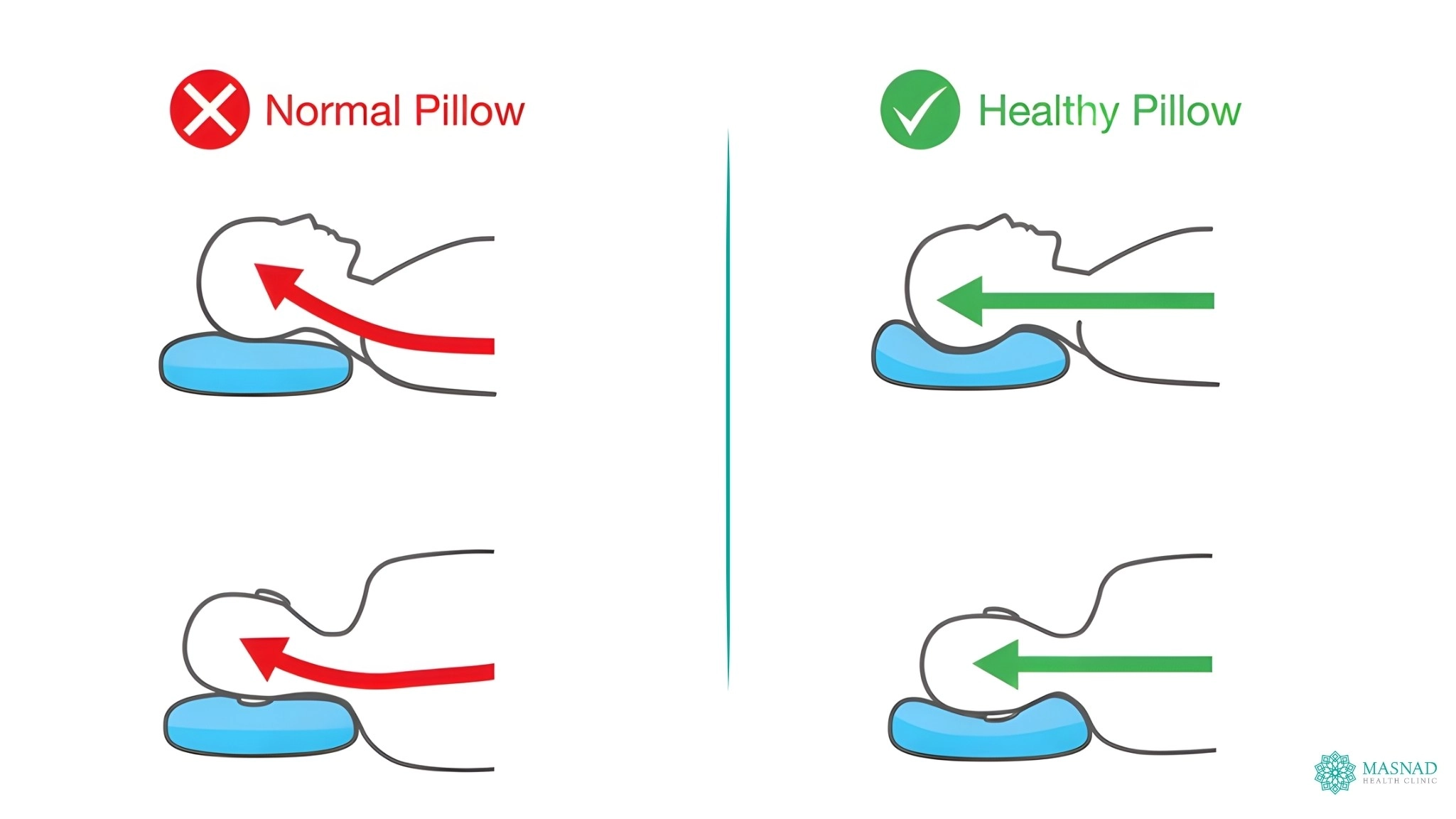
Neck discomfort is commonly caused by improper pillow height or lack of support.
Tips for neck comfort:
The right pillow and position can dramatically reduce neck pain and improve sleep quality.

Side sleepers sometimes stack one leg over the other, compressing the hip and surrounding soft tissue. Over time this can restrict blood flow and irritate tendons or bursae.
Tips for hip comfort:
Physiotherapy focuses on relaxation, mobility, and muscle balance, all of which directly influence sleep quality. Below are some physiotherapy-based techniques you can apply at home:
1. Gentle Stretching
2. Postural Exercises
Strengthening your core, glutes, and back muscles improves posture and prevents strain, helping you stay comfortable in any sleep position.
3. Breathing & Relaxation Techniques
4. Multidisciplinary Support
For those with chronic tension or pain, physiotherapy can be complemented by treatments such as manual therapy, cupping, massage, or guided exercise programs – all designed to restore balance and promote deep relaxation.

These small lifestyle changes, alongside guided physiotherapy, can make a huge difference in your nightly rest.
At Masnad Health Clinic, we focus on long-term wellbeing, not just short-term relief. Our team of experienced physiotherapists takes a holistic and personalised approach, combining evidence-based techniques with tailored exercise programs to help you move better, recover faster, and sleep more comfortably.
We believe every person is unique – that’s why our treatments are designed to address your specific needs through a mix of manual therapy, posture correction, and lifestyle guidance. With a caring, supportive environment and a multidisciplinary team working together, we help you achieve lasting comfort, balance, and better health.
Need a trusted physiotherapist near Bankstown or Lakemba?
Our friendly team at Masnad Health Clinic offers personalised, evidence-based care to help you improve posture, relieve tension, and enjoy deep, restorative sleep.
👉 Book your appointment online or call us today to start your journey toward better rest and long-term health.
Yes – by addressing posture, tension, and pain, physiotherapy helps your body relax and rest more effectively.
Many clients feel positive changes within a few sessions when combined with exercises and posture adjustments.
Yes – exercises can be adapted to different ages, mobility levels, and health conditions.
Absolutely. Tailored physiotherapy and gentle stretching reduce discomfort and improve nightly rest.
Many people live with pain, stiffness, or movement restrictions for weeks, months, or even years before seeking professional help.
Many people live with pain, stiffness, or movement restrictions for weeks, months, or even years before seeking professional help.

Are you in pain? Not sure if we can help you?
Book your initial appointment and receive 10% off any service!