

What Is Naturopathy and How Can It Support Your Health Naturally
Many people are looking for ways to improve their health in a…

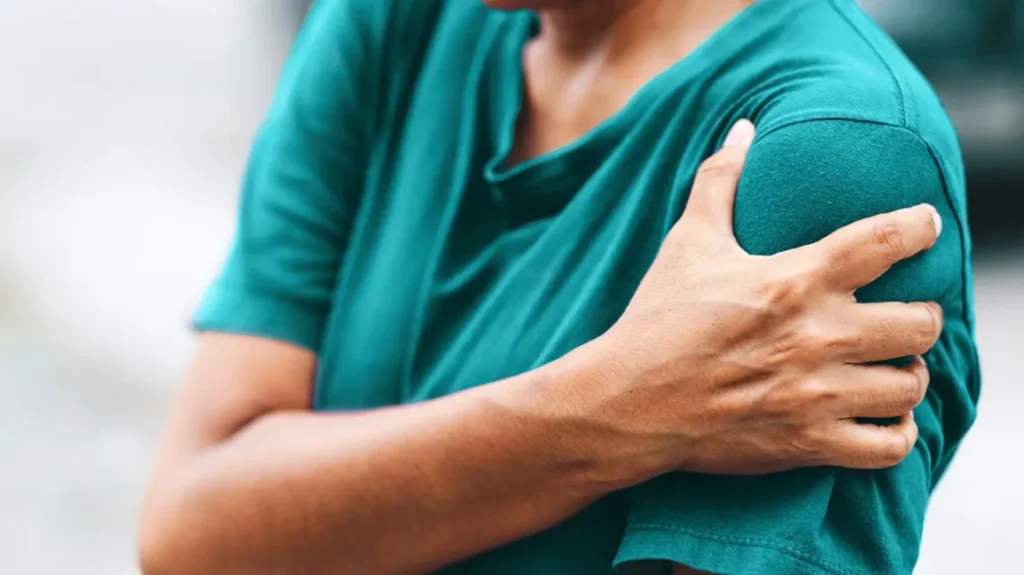
Pain at the front of the shoulder or upper arm can be frustrating, especially when it lingers. You might feel discomfort when lifting weights, carrying groceries, throwing a ball, or even reaching overhead. For some people, the pain settles quickly. For others, it becomes persistent and starts to affect work, sport, sleep, and daily function.
Shockwave therapy for biceps tendinopathy is one treatment option that may be considered when biceps tendon pain has not improved with simple rest or basic exercises. If you have been dealing with ongoing biceps pain, understanding what is happening and how this therapy works can help you make informed decisions about your care.
At Masnad Health Clinic in Bankstown and Lakemba, we take a structured and evidence-informed approach to tendon pain. This article explains what biceps tendinopathy is, why it develops, and how shockwave therapy may form part of a comprehensive rehabilitation plan.
The biceps muscle sits at the front of your upper arm. It helps bend the elbow and rotate the forearm. At the shoulder, the long head of the biceps tendon runs through a groove at the front of the joint before attaching inside the shoulder.
Biceps tendinopathy occurs when this tendon becomes irritated or overloaded. It is usually not a sudden tear. More commonly, it develops gradually due to repetitive stress, increased training load, or poor shoulder mechanics.
Common contributing factors include:
When a tendon is exposed to more load than it can tolerate, it can become sensitive and painful. Over time, the tissue may change in structure.
This does not automatically mean it is severely damaged, but it does mean it needs the right environment to recover.
Typical symptoms may include:
Understanding that tendon pain is often load-related is an important first step towards recovery.
The biceps tendon plays a key role in many daily movements. Even tasks that seem simple, such as lifting a child, placing items on a shelf, or pulling a door open, require coordinated shoulder and biceps activity.
For gym-goers, exercises like biceps curls, pull-ups, bench press, and overhead press can aggravate symptoms if performed with high load or poor control.
For tradespeople or office workers, repetitive arm use or prolonged forward shoulder posture may gradually increase strain on the tendon.
When biceps pain persists, people often stop moving the arm as much. While short-term rest can calm irritation, complete avoidance of movement can reduce strength and tendon capacity. This may increase the risk of ongoing flare-ups when activity resumes.
A balanced approach that includes controlled loading and education is usually more effective than rest alone.
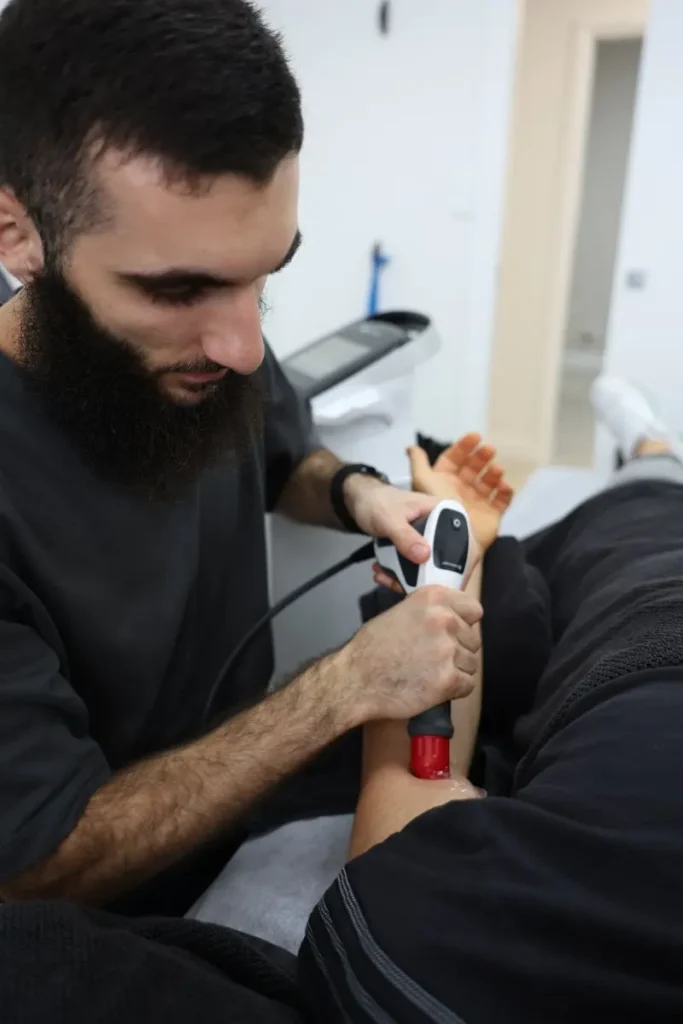
Shockwave Therapy is a non-surgical treatment that uses targeted acoustic waves to stimulate a healing response in affected tissues.
Shockwave therapy for biceps tendinopathy is generally considered when:
The proposed effects of shockwave therapy may include:
Treatment sessions are delivered in-clinic and are relatively short. Some discomfort during application is common, particularly over sensitive areas, but it is usually manageable.
It is important to emphasise that shockwave therapy is not a stand-alone cure. Tendons respond best to progressive, structured loading. At Masnad Health Clinic, shockwave therapy is integrated into a broader rehabilitation program tailored to the individual.
When managed appropriately, biceps tendinopathy can improve significantly. The long-term goals of combining shockwave therapy with rehabilitation include:
Tendon recovery is gradual. It often takes several weeks to months for meaningful adaptation, particularly in chronic cases. Patience and consistency are essential.
Rather than focusing solely on short-term pain relief, the emphasis is on building resilience. A stronger tendon is better equipped to handle future demands.
You may benefit from professional guidance if:
An early assessment can help clarify contributing factors and guide appropriate management before symptoms become more entrenched.
If you are located in Bankstown, Lakemba, or surrounding Sydney suburbs, our team is available to provide personalised advice and support.
Some discomfort during treatment is common, especially over sensitive areas. However, sessions are brief and most people tolerate them well.
The number of sessions varies depending on the duration and severity of symptoms. Shockwave therapy is typically delivered as part of a short treatment series combined with exercise.
In many cases, yes. Modifications are often recommended to reduce strain on the tendon while maintaining general fitness. A clinician can guide safe progression.
No. Many cases involve irritation or overload rather than a full tear. Proper assessment helps clarify this and guide management.
Recovery timelines vary. Tendon adaptation is gradual and may take weeks to months, particularly in long-standing cases.