)

Naturopathy in Bankstown: What to Know Before You Book
Introduction If you are searching for naturopathy in Bankstown, you may be…

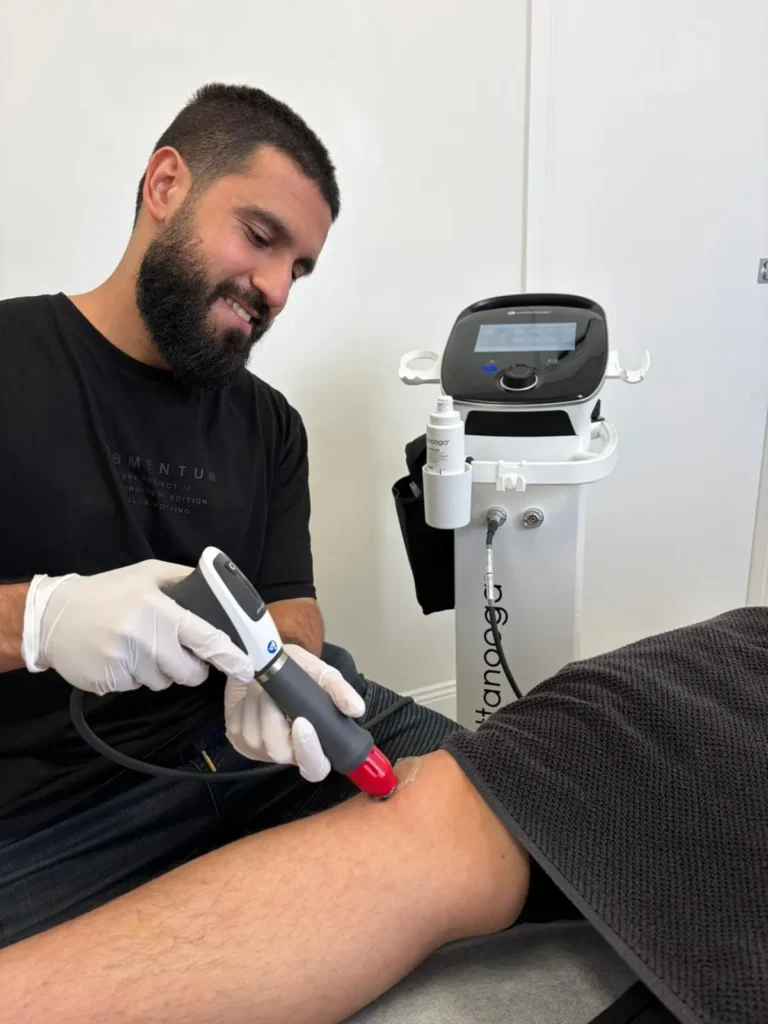
Knee pain can be frustrating, especially when it interferes with sport, gym training, work, or even simple daily movements like climbing stairs. One common cause of persistent front-of-knee pain is patellar tendinopathy, often referred to as jumper’s knee.
Shockwave Therapy for Patellar Tendinopathy (Jumper’s Knee) is an evidence-informed treatment approach used in physiotherapy to support tendon healing and reduce pain. For people who have tried rest, stretching, or anti-inflammatory measures without lasting improvement, this therapy can be an important part of recovery.
At Masnad Health Clinic in Bankstown and Lakemba, we regularly support people experiencing knee pain through personalised, holistic care. In this article, we explain what patellar tendinopathy is, how shockwave therapy works, and how it fits into a broader rehabilitation plan.
Patellar tendinopathy is a condition that affects the patellar tendon, the strong band of tissue connecting the kneecap to the shin bone. This tendon plays a critical role in straightening the knee and absorbing force during activities such as:
When the tendon is repeatedly overloaded without enough recovery time, small changes occur within its structure. Instead of healing effectively, the tendon can become thickened, sensitive, and painful.
This is why patellar tendinopathy is common in:
Pain is usually felt just below the kneecap. It may start as mild discomfort after activity but can progress to pain during movement and, in some cases, ongoing stiffness.
Importantly, patellar tendinopathy is not typically an “inflammatory” condition in the traditional sense. It is more accurately described as a tendon overload or degenerative process. This is why simply resting or using anti-inflammatory medication often does not fully resolve the issue.
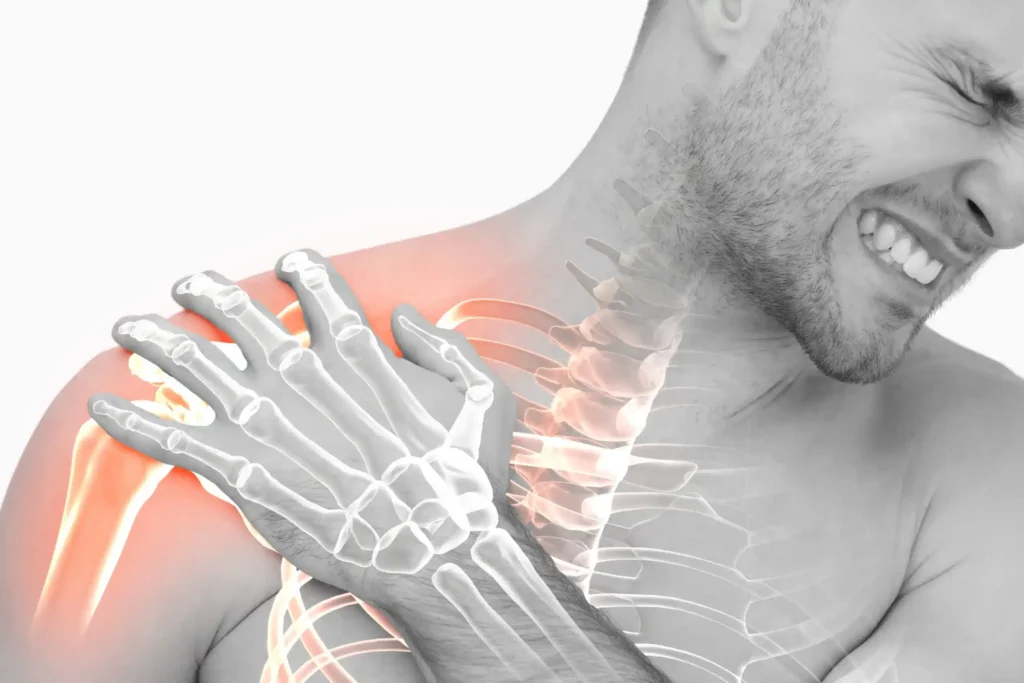
You do not need to be a professional athlete to develop jumper’s knee. Many everyday activities load the patellar tendon.
You might notice:
For some people in our Bankstown and Lakemba community, knee pain affects work performance, sporting goals, or family activities. Over time, persistent pain can also affect confidence and overall wellbeing.
Because the patellar tendon is central to so many lower limb movements, ongoing irritation can limit participation in exercise. This may lead to reduced strength, decreased fitness, and further joint stress.
Addressing the problem early and appropriately is key to preventing long-term limitation.
Shockwave Therapy for Patellar Tendinopathy (Jumper’s Knee) involves the use of targeted acoustic waves delivered through a handheld device to the affected area.
At Masnad Health Clinic, shockwave therapy is provided as part of our comprehensive physiotherapy service. You can learn more about our approach on our Shockwave Therapy service page.
Shockwave therapy is thought to:
Treatment sessions are typically short and performed in the clinic. Most people describe the sensation as firm tapping or pulsing over the tendon.
It is important to understand that shockwave therapy is rarely used in isolation. For patellar tendinopathy, it is usually combined with:
Research supports the use of progressive tendon loading exercises as a cornerstone of treatment. Shockwave therapy can enhance this process, particularly when symptoms have been persistent.
By addressing both pain and tendon health, the goal is not simply short-term relief but long-term functional improvement.
When managed appropriately, patellar tendinopathy can improve significantly over time. The key lies in gradual, structured loading rather than complete avoidance of movement.
Long-term benefits of an integrated approach may include:
Shockwave therapy can act as a catalyst within this broader rehabilitation journey. When combined with consistent exercise and professional guidance, many people experience steady improvement.
We often remind patients that tendon recovery is not instant. Tendons adapt more slowly than muscles. Patience, consistency, and the right clinical support are essential.
You may benefit from professional guidance if you experience:
Early assessment allows us to identify contributing factors such as muscle weakness, altered landing mechanics, or training errors.
If you are unsure whether shockwave therapy is appropriate, a physiotherapy assessment can help determine the most suitable plan for your needs.
For further reading on tendon care, you may find our blog on managing tendon pain in active individuals helpful.
Some discomfort can occur during treatment, particularly over sensitive tendon areas. However, sessions are brief, and intensity is adjusted to suit your tolerance.
The number of sessions varies depending on symptom duration and severity. Many treatment plans involve a series of sessions combined with exercise therapy.
In most cases, complete rest is not recommended. Instead, activity is modified. Your physiotherapist will guide safe load levels to support recovery.
The terms are often used interchangeably, but patellar tendinopathy more accurately reflects the tendon changes involved, which are not purely inflammatory.
Recovery timelines differ. Some people improve within weeks, while others with long-standing symptoms may require several months of structured rehabilitation.
Shockwave Therapy for Patellar Tendinopathy (Jumper’s Knee) can be a valuable component of a comprehensive rehabilitation plan. When combined with targeted exercise, education, and multidisciplinary care, it supports tendon healing and functional recovery.
If knee pain is limiting your sport, work, or daily life, our team at Masnad Health Clinic in Bankstown and Lakemba is here to help. You are welcome to book online or request a free courtesy call to discuss whether shockwave therapy and physiotherapy are right for you.