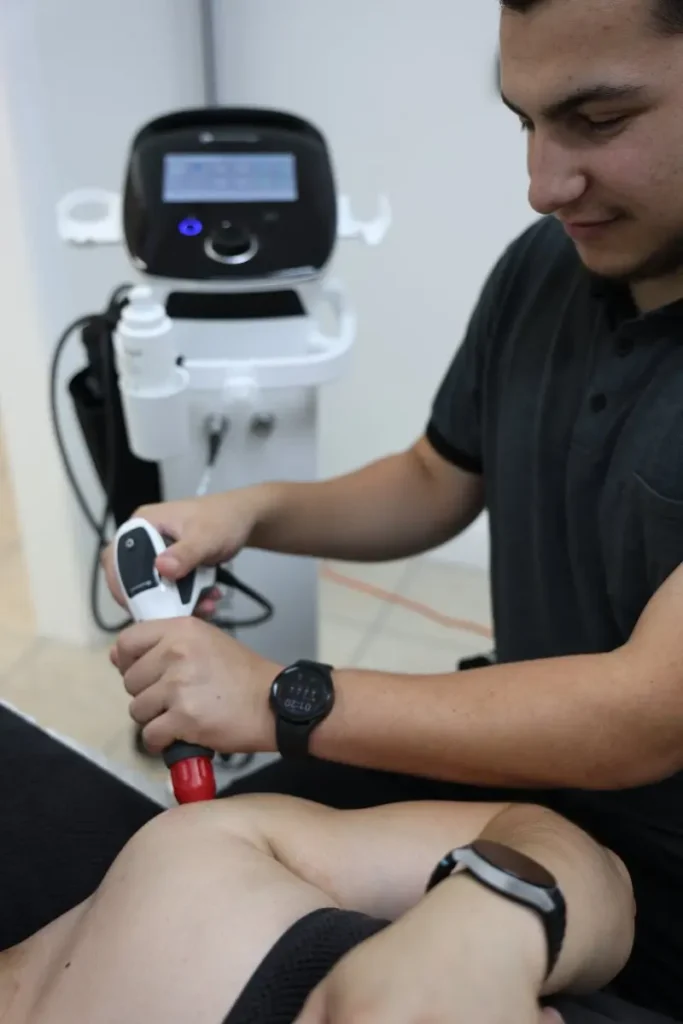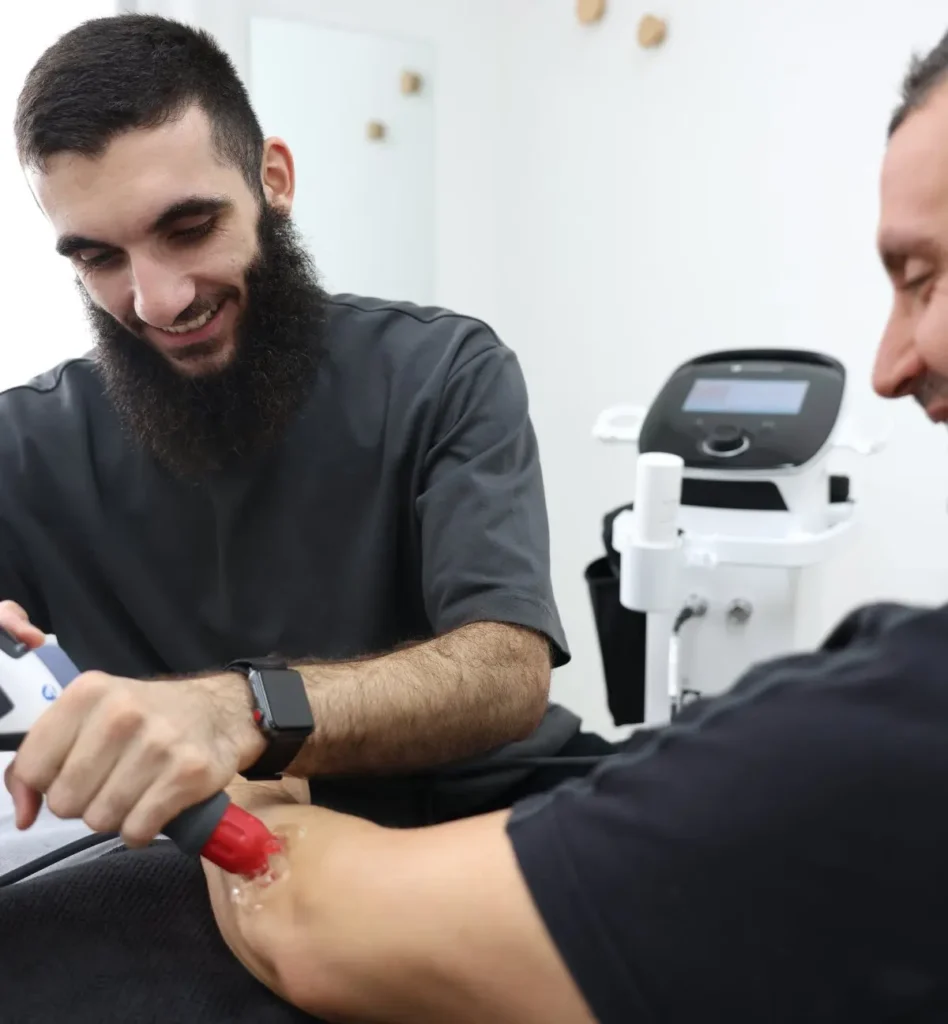
Plantar fasciitis is one of the most common causes of heel pain in adults. If you have ever stepped out of bed in the morning and felt a sharp, stabbing pain under your heel or along the arch of your foot, you are not alone. For many people, this discomfort becomes a daily struggle that affects walking, exercise, work, and even mood.
In recent years, Shockwave Therapy for Plantar Fasciitis has gained attention as a non-surgical treatment option for persistent cases. But what does the evidence actually say? Is it effective? And who is it most suitable for?
At Masnad Health Clinic, we believe in combining research-backed care with a warm, community-focused approach. This guide will help you understand how shockwave therapy works, what the research shows, and how it may fit into a broader recovery plan.
Understanding Plantar Fasciitis and Chronic Heel Pain
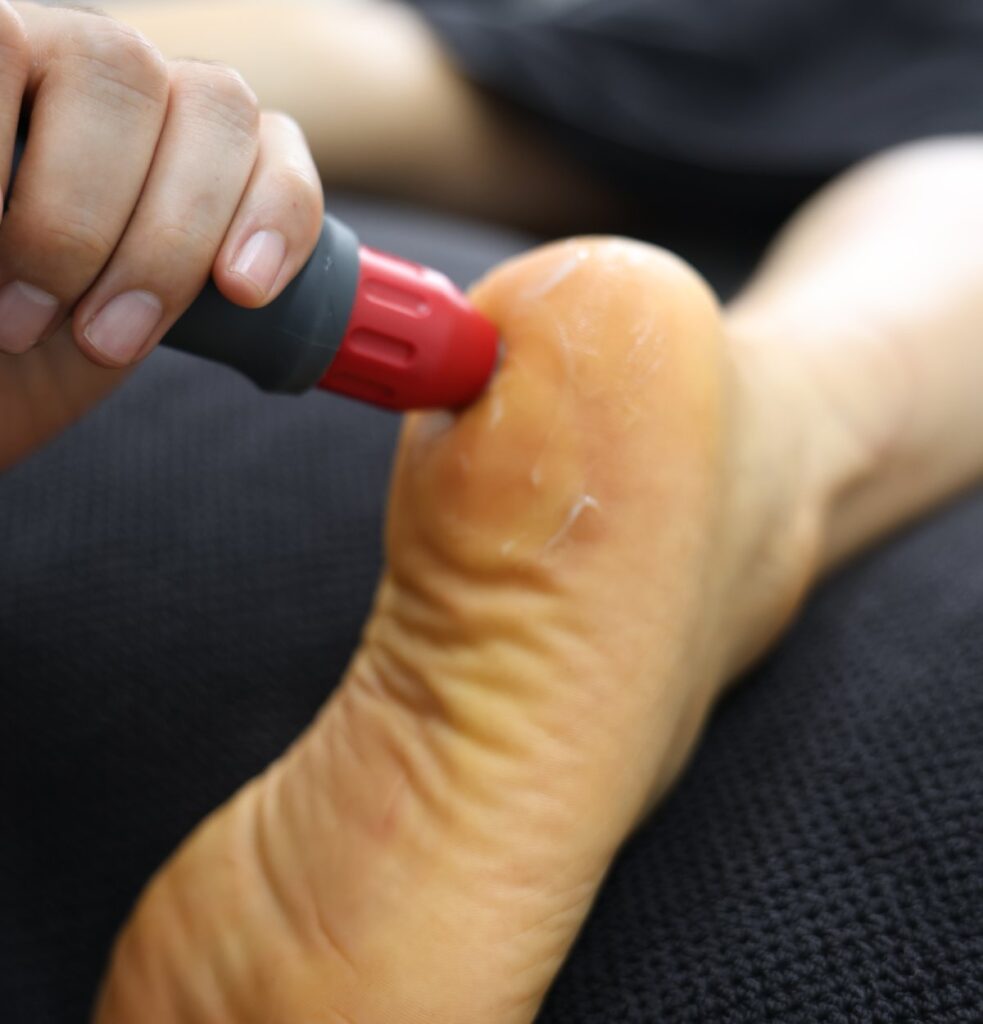
The plantar fascia is a thick band of connective tissue that runs from your heel bone to the front of your foot. It supports the arch and plays an important role in absorbing forces when you walk or run.
Plantar fasciitis occurs when this tissue becomes irritated or overloaded. Despite the name, research suggests that in long-standing cases it is less about active inflammation and more about tissue degeneration and poor healing. This is why the term “plantar fasciopathy” is sometimes used in clinical settings.
Common symptoms include:
- Sharp pain under the heel, especially with the first few steps in the morning
- Discomfort after long periods of standing
- Tightness through the arch or calf
- Pain that improves slightly with movement but worsens later in the day
For many people, simple measures such as footwear changes, calf stretching, and load management help significantly. However, when pain becomes persistent and turns into chronic pain lasting more than three to six months, additional treatment options may be considered.
One of these options is Shockwave Therapy for Plantar Fasciitis.

What the Evidence Says About Shockwave Therapy for Plantar Fasciitis
Clinical research over the past two decades has examined the effectiveness of Shockwave Therapy for Plantar Fasciitis, particularly in chronic cases that have not improved with standard conservative care.
Systematic reviews and clinical guidelines suggest:
- Shockwave therapy can significantly reduce heel pain in people with chronic plantar fasciitis
- Improvements are often seen within 6 to 12 weeks
- Benefits may continue for several months after treatment
- It may reduce the need for more invasive procedures
Importantly, the strongest evidence supports its use in cases where symptoms have been present for more than three months and have not responded to stretching, strengthening, and footwear changes.
It is not typically considered a first-line treatment for very recent heel pain. Instead, it forms part of a stepped care approach guided by a qualified health professional.
Is Shockwave Therapy for Plantar Fasciitis Right for You?
Shockwave Therapy for Plantar Fasciitis is supported by growing evidence, particularly for chronic heel pain that has not improved with standard care. It is non-invasive, research-informed, and can form part of a structured rehabilitation plan.
If you are living with ongoing heel or arch pain, you do not have to manage it alone. Our team at Masnad Health Clinic is here to provide guidance that respects your physical, emotional, and overall wellbeing.
If you would like to explore whether shockwave therapy is suitable for your situation, you can book online or request a courtesy call with our team to discuss your options.
FAQs
You may feel discomfort during the session, particularly over tender areas of the heel. However, treatment is brief and intensity can be adjusted to remain tolerable.
Many treatment plans involve three to six sessions, depending on symptom duration and individual response. Your physiotherapist will guide this process.
In most cases, yes. Exercise is often modified rather than stopped completely. A structured strengthening program is usually part of recovery.
Cover depends on your level of cover and provider. Shockwave therapy delivered within a physiotherapy consultation is often claimable under extras policies.
Shockwave therapy supports the body’s healing processes, but long-term outcomes also depend on strengthening, load management, and addressing contributing factors.