
Naturopathy in Bankstown: What to Know Before You Book
Introduction If you are searching for naturopathy in Bankstown, you may be…

Shoulder pain can make even the simplest tasks feel challenging. Reaching into a cupboard, fastening a seatbelt, lifting at the gym, or sleeping on your side may suddenly become uncomfortable. Many people are told they have “shoulder impingement” and are left wondering what that actually means and whether treatments like shockwave therapy are suitable.
Shockwave therapy for shoulder impingement is often discussed as a non-surgical option for persistent shoulder pain. But is it appropriate for everyone? And how does it fit into a broader rehabilitation plan?
At Masnad Health Clinic in Bankstown and Lakemba, we regularly support people with shoulder pain through structured, evidence-informed care. In this article, we explain shoulder impingement in simple terms and explore whether shockwave therapy may play a role in recovery.
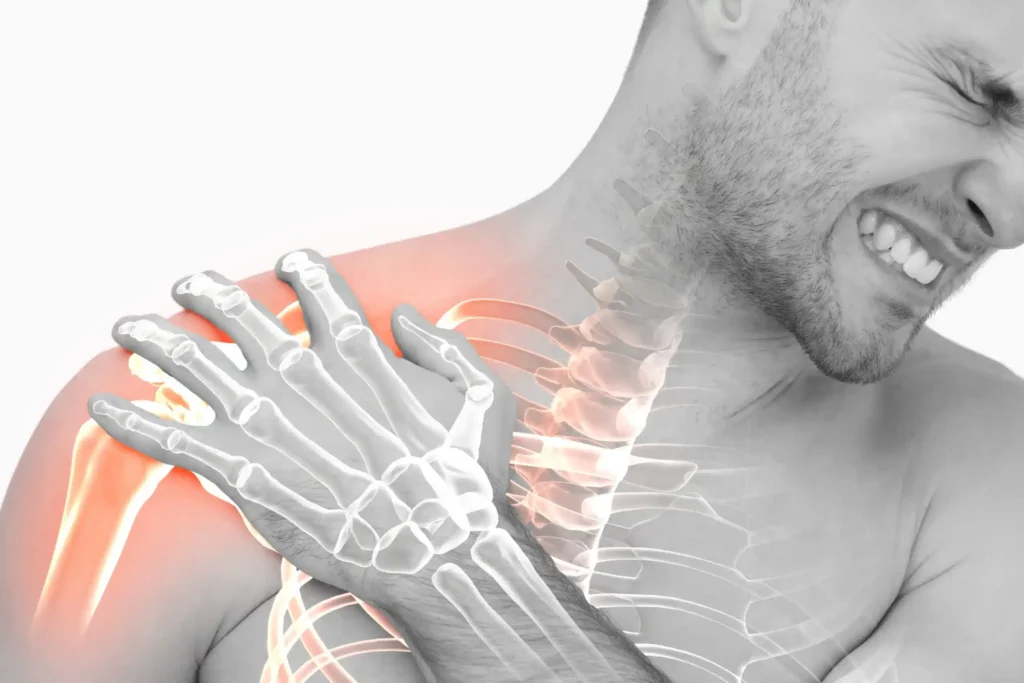
The term “shoulder impingement” is commonly used to describe pain that occurs when lifting the arm, especially out to the side or overhead. The discomfort is often felt on the outer part of the shoulder and may travel down the upper arm.
In simple terms, impingement refers to irritation of the tissues within the shoulder joint, often involving the rotator cuff tendon or surrounding structures. It does not always mean something is being physically “pinched” in a dramatic way. More often, it reflects tendon overload, irritation, or reduced movement control.
Common contributing factors may include:
Symptoms may include:
It is important to understand that shoulder impingement is often a load-related condition. Tendons and soft tissues may become sensitive when exposed to more stress than they can tolerate.
The shoulder is one of the most mobile joints in the body. This mobility allows us to perform countless daily movements. However, it also means the joint relies heavily on muscles and tendons for stability.
For office workers, long hours at a desk with rounded shoulders can gradually increase stress on the rotator cuff tendon. For tradespeople, gym-goers, or athletes, repeated lifting and overhead tasks may overload the tissues.
When shoulder pain persists, people often avoid movement. While this may reduce discomfort temporarily, long-term avoidance can lead to reduced strength and confidence. This can make the shoulder more sensitive when activity resumes.
Ongoing shoulder pain can affect sleep, work performance, exercise habits, and overall wellbeing. That is why a clear and structured approach to management is important.
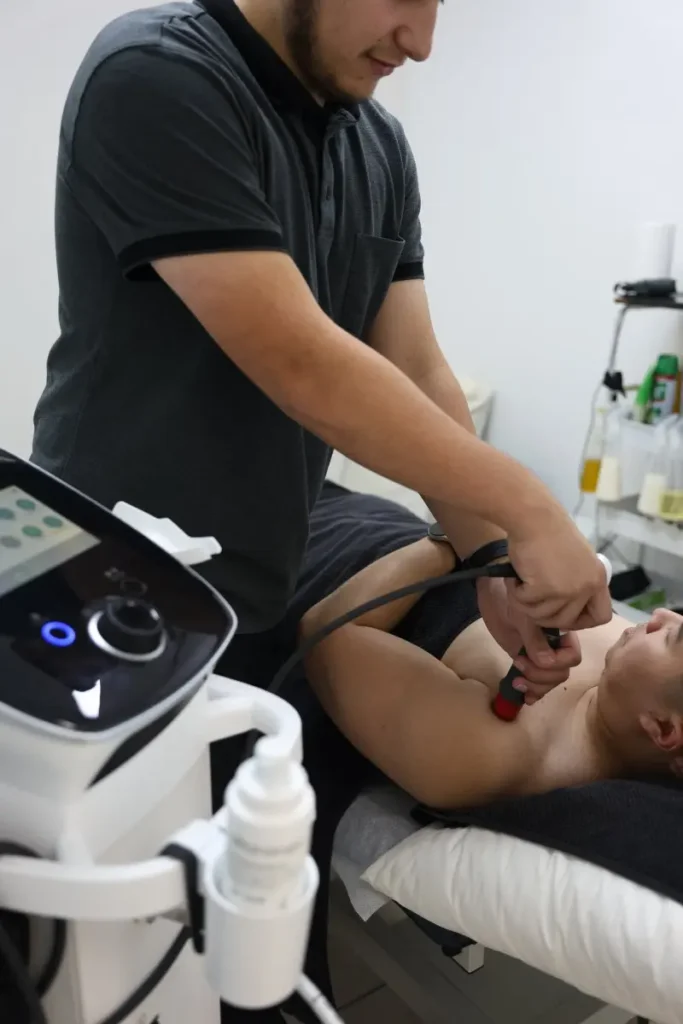
Shockwave Therapy is a non-surgical treatment that delivers controlled acoustic waves to targeted tissues. It is commonly used for persistent tendon conditions that have not improved with simple measures.
Shockwave therapy for shoulder impingement may be considered in cases where:
The proposed benefits of shockwave therapy include:
Treatment sessions are relatively short and performed in-clinic. Some discomfort during the procedure is common but generally manageable.
It is important to note that shockwave therapy is not a stand-alone solution. Shoulder impingement often involves movement patterns and strength deficits. Without addressing these, symptoms may return.
At Masnad Health Clinic, shockwave therapy is integrated into a broader rehabilitation plan.
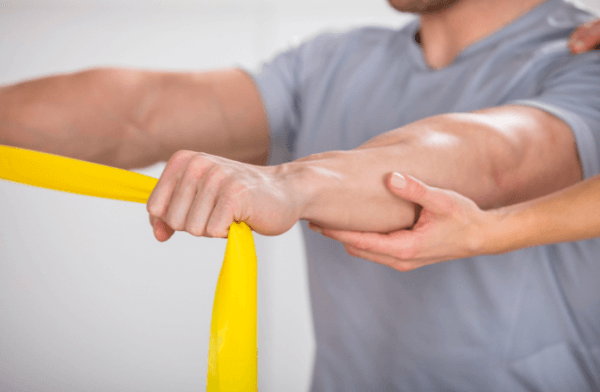
For many people, strengthening and movement retraining form the foundation of recovery.
Rehabilitation may include:
The goal is to increase the shoulder’s tolerance to movement and load rather than simply avoiding pain.
You may benefit from professional assessment if:
An assessment can help clarify the source of pain and guide a tailored management plan.
If you are located in Bankstown, Lakemba, or surrounding Sydney suburbs, our team can provide personalised advice aligned with your goals.
Not necessarily. Suitability depends on the underlying cause of your shoulder pain. A proper assessment is important before starting treatment.
No. Exercise and movement retraining are central to long-term improvement. Shockwave therapy is typically used alongside rehabilitation, not instead of it.
Some discomfort during the session is common, especially over sensitive areas. However, sessions are brief and usually well tolerated.
The number of sessions varies depending on symptom duration and severity. Treatment is often delivered as a short series combined with strengthening.
Many cases of shoulder impingement respond well to conservative management, including rehabilitation and, in some cases, adjunct treatments such as shockwave therapy.
Shockwave therapy for shoulder impingement may be appropriate in certain cases of persistent shoulder tendon pain, particularly when symptoms have not improved with basic management. However, it works best as part of a structured rehabilitation program that addresses strength, movement, and load tolerance.
If shoulder pain is limiting your daily activities or training, you are welcome to book online or request a courtesy call to discuss whether shockwave therapy is suitable for you. Our team at Masnad Health Clinic is here to support your journey towards stronger, healthier shoulders and long-term wellbeing.