

Fatigue, Stress & Anxiety: Why You Feel Constantly Drained
Feeling exhausted has become so common that many people believe it’s simply…

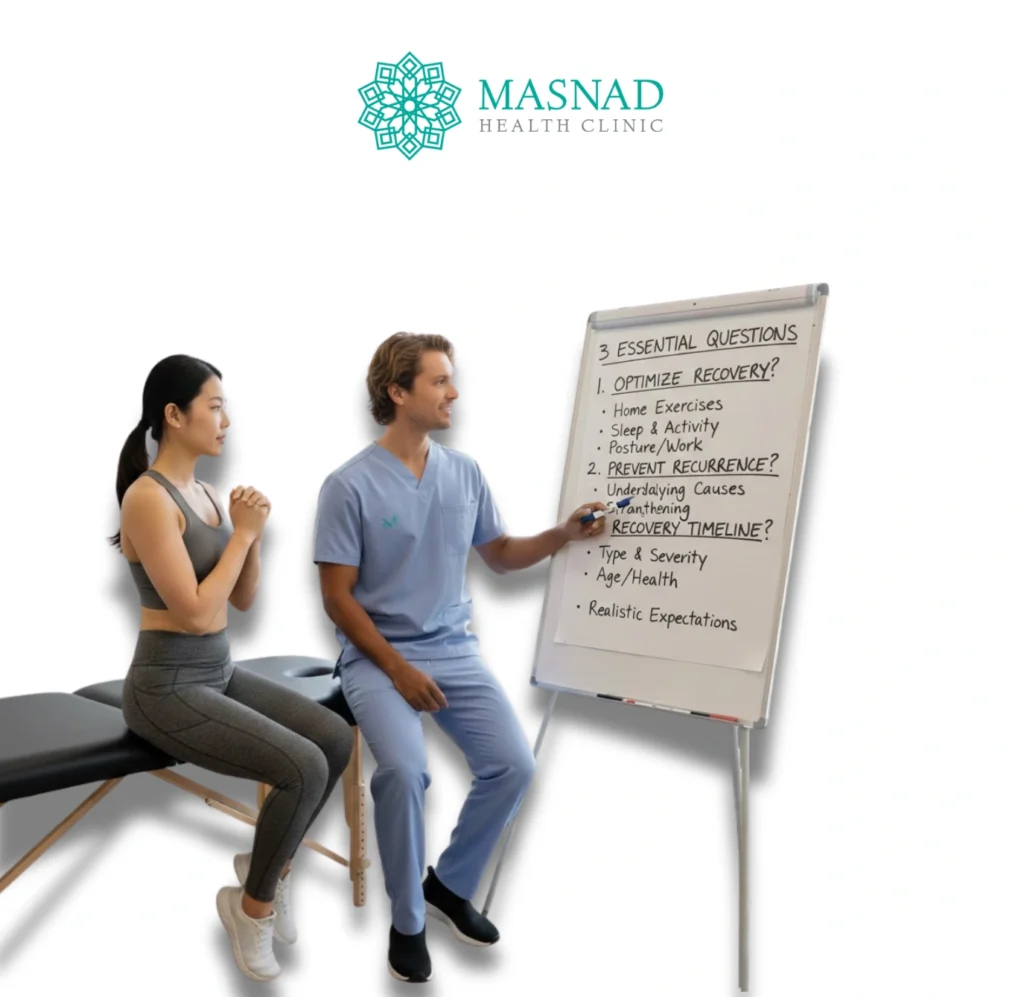
A visit to the physiotherapist is rarely high on anyone’s wish list. It usually means you’ve picked up an injury or you’re dealing with ongoing pain. While we enjoy helping our patients recover, the best outcome is always that you no longer need treatment.
Asking the right questions during your appointments can help you understand your condition better and speed up your recovery. Here are three essential things to ask your physiotherapist.
Physiotherapy sessions are only one part of the recovery process. The work you do at home often has the greatest impact on your progress.
Your physiotherapist will usually provide you with a home exercise program, but if you’re open to it, they can often suggest additional exercises, lifestyle changes, or habits that may support faster healing. This may include advice on sleep, activity levels, posture, or work-related modifications that can improve your overall health and recovery.
Understanding why your injury occurred is key to preventing it from returning. By discussing the underlying causes of your condition, your physiotherapist can help you identify risk factors such as poor posture, movement patterns, muscle imbalances, or training errors.
Prevention strategies may include:
Taking a proactive approach can significantly reduce the risk of re-injury and support long-term wellbeing.
Recovery timelines vary depending on the type and severity of your injury, as well as individual factors like age, activity level, and general health. Asking about expected recovery time helps you set realistic expectations and track your progress.
Some conditions improve quickly with consistent rehabilitation, while others require patience and gradual progression. Knowing what to expect allows you to plan your work, sport, and daily activities accordingly.
Being pain-free doesn’t always mean you’re fully recovered. The body is very good at compensating for stiffness or weakness, sometimes long before symptoms appear. Your physiotherapist can assess movement, strength, and control to ensure you’re truly ready to return to full activity.
Our goal isn’t just to reduce pain-it’s to help you safely return to everything you enjoy, at full capacity, with a lower risk of future injury.
Your health and wellbeing are valuable, and physiotherapy works best when it’s a partnership. Asking questions helps you:
No question is ever a bad one – and better understanding often leads to better outcomes.
Recovery isn’t just about treating pain – it’s about understanding your body, addressing the root cause, and building the strength and confidence to move well long-term. Asking the right questions empowers you to take an active role in your rehabilitation and helps your physiotherapist tailor care specifically to your goals and lifestyle.
If you’re unsure about your recovery, prevention strategies, or next steps, professional guidance can make all the difference.
Call Masnad Health Clinic on (02) 9793 8840
Book your appointment today and take the next step toward lasting health and movement.
Many people live with pain, stiffness, or movement restrictions for weeks, months, or even years before seeking professional help.
Many people live with pain, stiffness, or movement restrictions for weeks, months, or even years before seeking professional help.

Are you in pain? Not sure if we can help you?
Book your initial appointment and receive 10% off any service!