

Fatigue, Stress & Anxiety: Why You Feel Constantly Drained
Feeling exhausted has become so common that many people believe it’s simply…

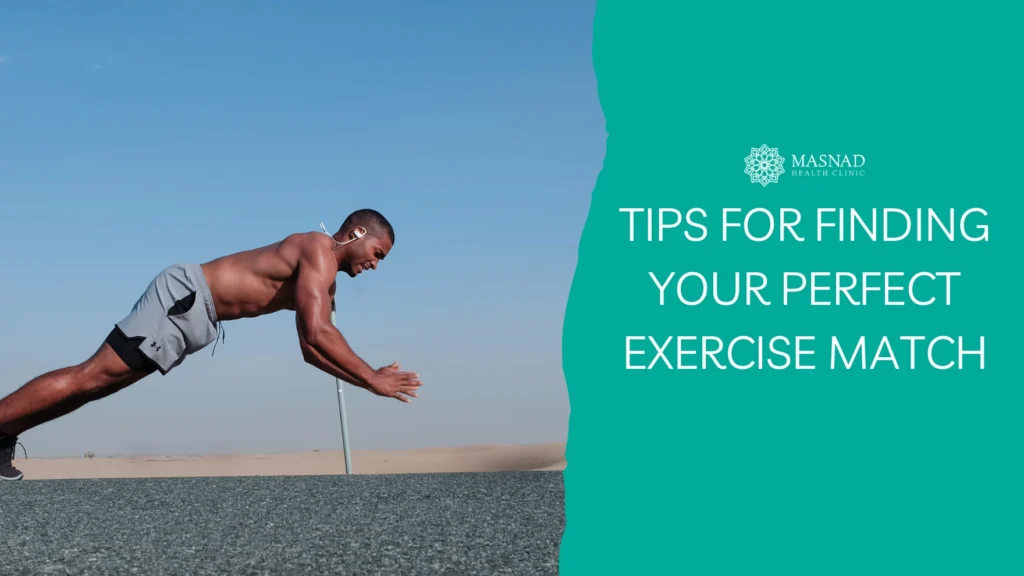
Exercise is essential for both physical and mental wellbeing. It strengthens the body, improves mood, boosts energy, and supports long-term health. Yet many people struggle to stay consistent.
Often, when we think of exercise, we picture running or going to the gym. But exercise can be anything that gets you moving. The key to long-term success is finding an activity you genuinely enjoy and can maintain regularly.
When you discover the right fit, exercise stops feeling like a chore and becomes part of your lifestyle.
Regular physical activity can:
Exercise also benefits the brain. Learning new skills or movements encourages neuroplasticity, meaning your brain forms new neural pathways. This supports learning, memory, and coordination, and may even help protect against age-related cognitive decline.
However, these benefits only occur when exercise is consistent – which is why choosing something you enjoy is so important.
Your personality plays a big role in what you’ll stick with.
Ask yourself:
If you’re competitive, team sports or group training may motivate you. If you prefer focusing on technique and self-improvement, activities like Pilates, yoga, or strength training might suit you better.
When your exercise style aligns with who you are, consistency becomes easier.
Even the best activity won’t last if it doesn’t fit your routine.
Think about:
Home programs, short sessions, or structured classes can all work – the key is choosing something practical and sustainable.
Injuries can make it difficult to continue certain activities, but they don’t mean you have to stop moving altogether.
Often, you can modify or switch to lower-impact options. For example:
A physiotherapist can help guide safe alternatives while you recover.
We all have areas that feel more natural – whether it’s balance, endurance, strength, or coordination.
Instead of forcing yourself into activities you dislike, explore ones that build on your strengths. Enjoyment increases when you feel capable and confident.
At the same time, gentle challenges help you grow and improve.
One common mistake is doing too much too soon. Gradual progression reduces injury risk and improves long-term success.
Consistency matters more than intensity. Small, regular sessions are more effective than extreme bursts of motivation.
Exercise isn’t one-size-fits-all. The best routine is the one that suits your personality, lifestyle, and physical needs.
When you find the right match, movement becomes something you look forward to – not something you force yourself to do.
If you need guidance choosing safe and appropriate exercise, the team at Masnad Health Clinic can help.
With clinics located in Bankstown and Lakemba, we provide personalised physiotherapy and multidisciplinary care to support your health and wellbeing.
Book your appointment today and take the first step toward finding your perfect exercise match.
At Masnad Health Clinic, we provide personalised, practical guidance to help you stay active safely and confidently. Our experienced physiotherapists take the time to understand your goals, lifestyle, and physical needs.
With a multidisciplinary team and clinics located in Bankstown and Lakemba, we’re committed to delivering optimal health and happiness for our community.
You can begin gentle pelvic floor contractions within 24-48 hours post-birth, provided there is no pain and the catheter has been removed. Gradually increase the intensity as healing progresses – an exercise prescription can be devised individually for you during your birth preparation physiotherapy sessions.
The best exercise is one that suits your personality, lifestyle, and physical condition. A physiotherapist can help guide you safely.
In many cases, yes. Modifying your activity can allow you to stay active while protecting the injured area.
No referral is required for private physiotherapy appointments in Australia.
Many people live with pain, stiffness, or movement restrictions for weeks, months, or even years before seeking professional help.
Many people live with pain, stiffness, or movement restrictions for weeks, months, or even years before seeking professional help.
Are you in pain? Not sure if we can help you?
Book your initial appointment and receive 10% off any service!