

Fatigue, Stress & Anxiety: Why You Feel Constantly Drained
Feeling exhausted has become so common that many people believe it’s simply…

Improving your health is not just about appearance or weight loss. Good health allows you to move more freely, manage pain better, recover faster, sleep well and enjoy a higher quality of life. For many people, however, making positive health changes can feel overwhelming — especially if exercise has been inconsistent or absent for some time.
The key to long-term success is not drastic change, but smart, sustainable strategies. Small adjustments, when applied consistently, can have a significant impact over time. Below are five practical shortcuts that can help you improve your physical and mental health without feeling like you need to completely overhaul your lifestyle.
Having a clear goal can transform your motivation. When you commit to an event, you give your training a purpose and a deadline, which can make exercise feel more meaningful and structured.
This does not need to be an extreme challenge. A short fun run, charity walk, cycling event or recreational sports competition can be enough to push you just beyond your current comfort zone. Training for an event:
Many people find that once they complete one event, confidence increases and they are more willing to set new goals. If you have an injury history or ongoing pain, a physiotherapist can help guide your preparation safely.
One of the biggest barriers to exercise is accountability. Exercising alone requires constant self-motivation, whereas being part of a team or group naturally encourages consistency.
Joining a group can provide:
Whether it’s a social sports team, group fitness class, walking group or community activity, exercising with others can improve adherence and make physical activity feel less like a chore and more like a social event. The added mental health benefits of connection and community are just as valuable as the physical gains.
Health improvements are built through consistency, not perfection. One of the most effective shortcuts is to treat daily movement as a fixed part of your routine rather than something optional.
Scheduling exercise at the same time each day helps reduce decision-making and increases the likelihood that it becomes automatic. Even short sessions can be effective when done regularly. Tracking your activity, setting small streak goals or linking exercise to an existing habit (such as walking after dinner) can reinforce behaviour change.
Over time, movement becomes part of your identity rather than a task you need to force yourself to do.
Enjoyment is one of the strongest predictors of long-term exercise success. If you consistently choose activities you dislike, it becomes much harder to stay active.
Everyone has different preferences. Some people enjoy structure and repetition, while others thrive on variety or outdoor activity. Taking the time to identify what suits you best can prevent burnout and frustration.
Trying new activities can also:
There is no single “best” form of exercise. The best activity is one that you enjoy, can perform safely and are likely to continue long term.
Improving your health does not require extreme changes or rigid routines. By setting clear goals, creating supportive habits, choosing activities you enjoy and reinforcing positive behaviours, you can build a healthier lifestyle that lasts.
If pain, injury or uncertainty is preventing you from being active, professional guidance can make a significant difference.
Call us to book an appointment
Book online today to receive personalised advice, injury prevention strategies and a movement plan tailored to your lifestyle.
Many people live with pain, stiffness, or movement restrictions for weeks, months, or even years before seeking professional help.
Many people live with pain, stiffness, or movement restrictions for weeks, months, or even years before seeking professional help.
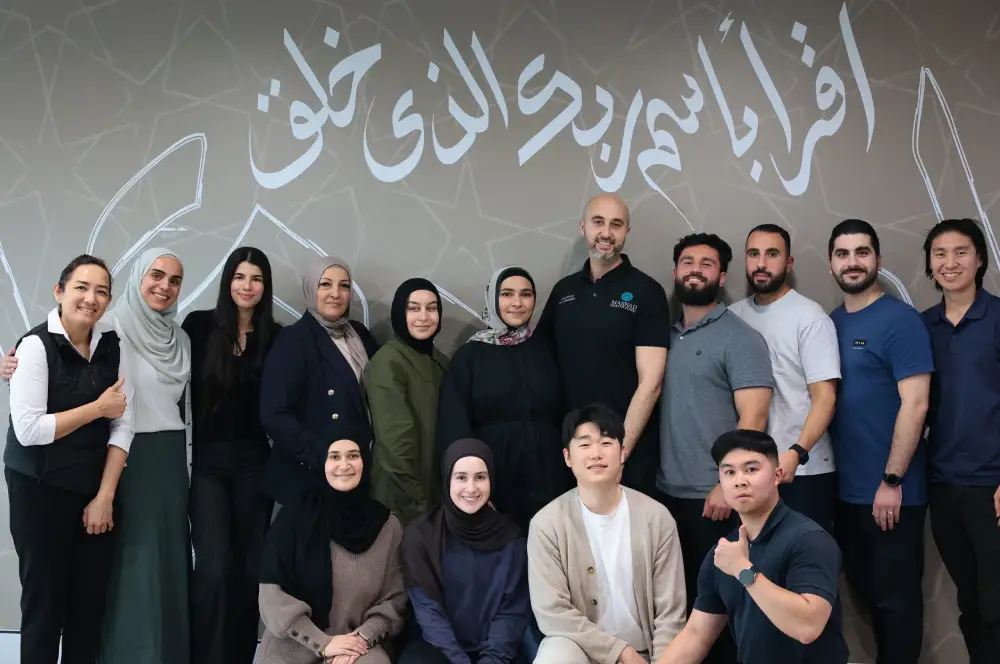
Are you in pain? Not sure if we can help you?
Book your initial appointment and receive 10% off any service!