
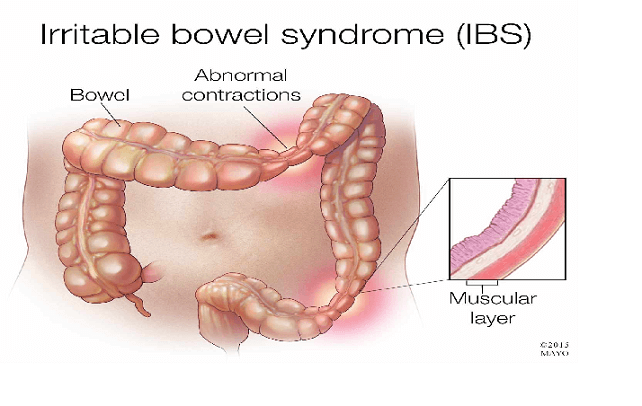
Irritable Bowel Syndrome is a common condition affecting one in five Australians. Now that’s a pretty significant number!
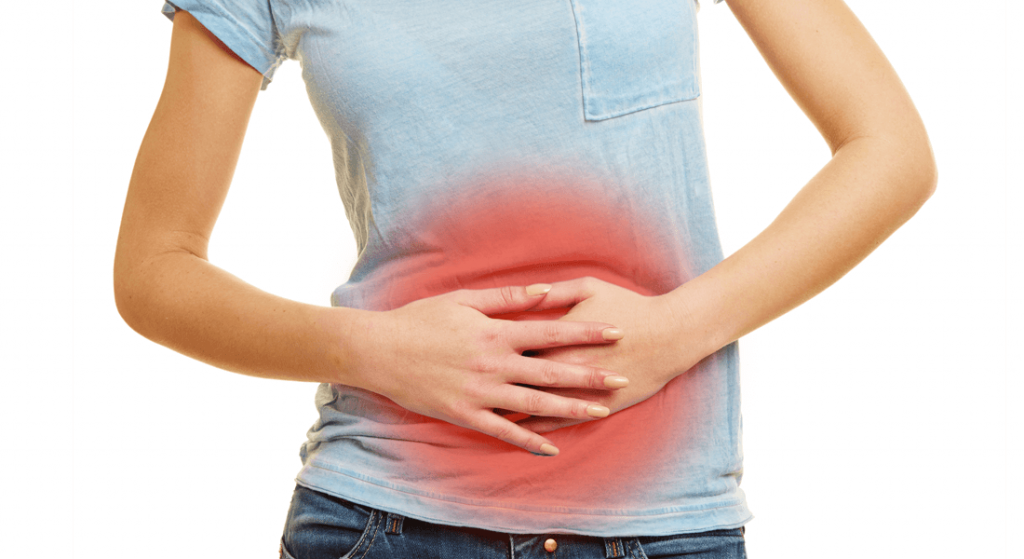
What is Irritable Bowel Syndrome (IBS)?
Irritable Bowel Syndrome (IBS) is a chronic gastrointestinal condition affecting roughly one in five Australians. Masnad Health Clinic It involves the large intestine and may present differently for each person, but common symptoms include:
- Alternating periods of constipation and diarrhoea
- Abdominal cramping or pain relieved after a bowel movement
- Bloating, gas, flatulence and abdominal distention
IBS is typically influenced by diet, lifestyle, stress and gut motility issues — making it a complex but treatable condition.
Why IBS Happens
While there’s no single cause of IBS, contributing factors may include:
- Food sensitivities, allergies or a poor diet
- Stress or heightened gut-brain nervous system activity
- Inflammation in the gut lining
- Altered colon motility (too fast or too slow) resulting in diarrhoea or constipation
How Hijama Can Support IBS
At Masnad Health Clinic, we use a tailored hijama (wet cupping) approach to complement digestive care. Hijama may help by:
- Encouraging improved circulation to the digestive tract, thereby helping with cramping and bloating.
- Supporting detoxification of stagnant or congested blood around the gut zones.
- Calming sympathetic nervous system activity, which is often linked to IBS symptoms.
- Reducing inflammatory burden and promoting better gut-lining function.
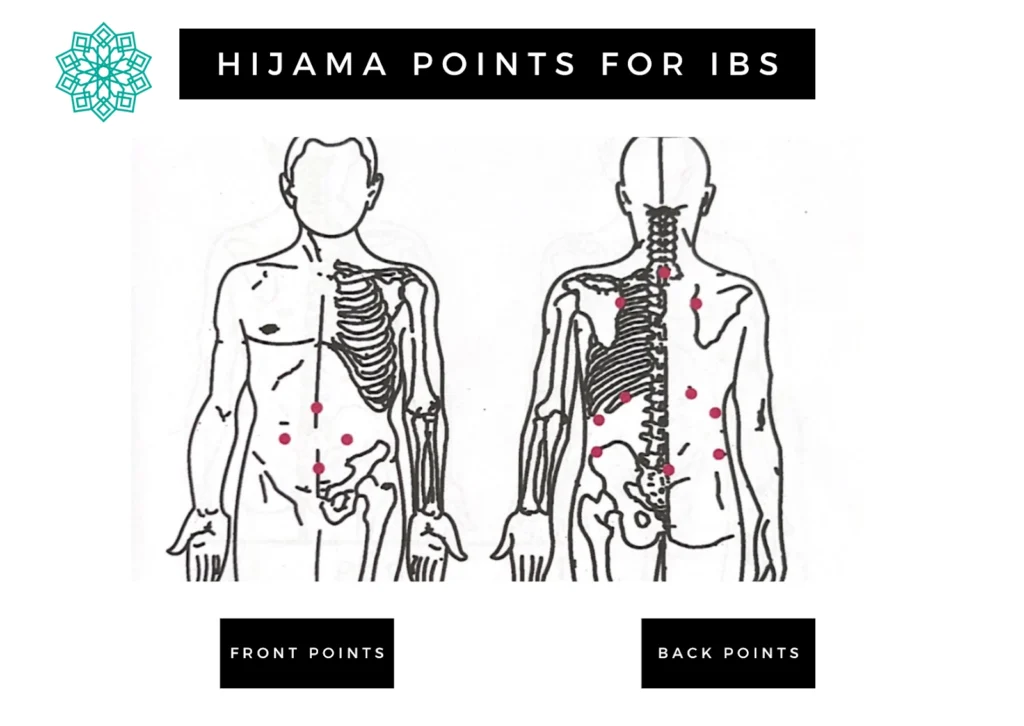
Illustration: Hijama points front and back for IBS, Crohn’s, ulcerative colitis and spastic colon.
Our typical protocol at the clinic:
- Back points: First treatment focusing on the lower lumbar and flank areas to support gut circulation and drainage.
- Front points: Two weeks later, we treat the anterior abdomen to ease tension and promote digestive relief.
- Repeat cycle: This two-step cycle repeats three times over approximately three months for optimal effect. In many cases, we combine this with dietetic support and lifestyle modifications for better outcomes.
Lifestyle & Recovery Tips (To Enhance Results)
When working with hijama for IBS, it’s important to support the body holistically:
- Stay hydrated and maintain a high-fibre, low-trigger diet
- Use stress-reduction tools such as NSDR (Non-Sleep Deep Rest) breathing or mindfulness
- Participate in gentle physical activity and avoid heavy strain during flare-ups
Other Conditions Hijama May Help
While this article focuses on IBS, hijama may also support:
- Digestive discomfort and bloating
- Post-operative gut recovery
- Nervous-system driven digestive issues
- Stress-related sleep disturbances (in conjunction with broader care)
Ready to Explore Treatment?
If you’ve been living with IBS, discomfort, or gut-health challenges, and want a clinic that combines tradition, modern support and personalised care — we’re here for you.
📍 Locations: Bankstown & Lakemba
📞 Call us on (02) 9793 8840 or book your session online today.
Disclaimer: Hijama is a complementary therapy. Results vary between individuals and it should be performed by a qualified practitioner. If you have any medical concerns, please consult your GP before beginning any new treatment.
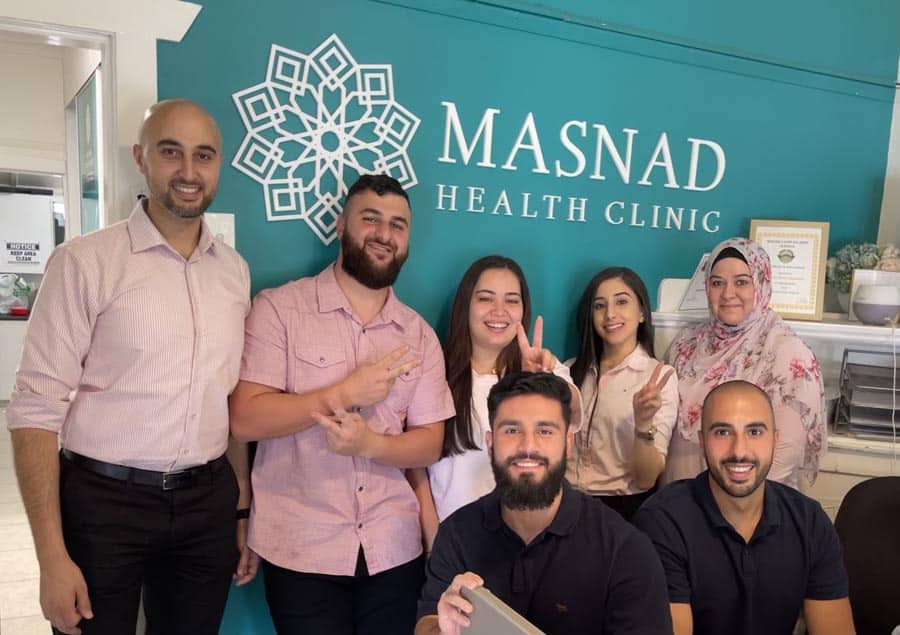
: A Holistic Approach at Masnad Health Clinic)