

Fatigue, Stress & Anxiety: Why You Feel Constantly Drained
Feeling exhausted has become so common that many people believe it’s simply…

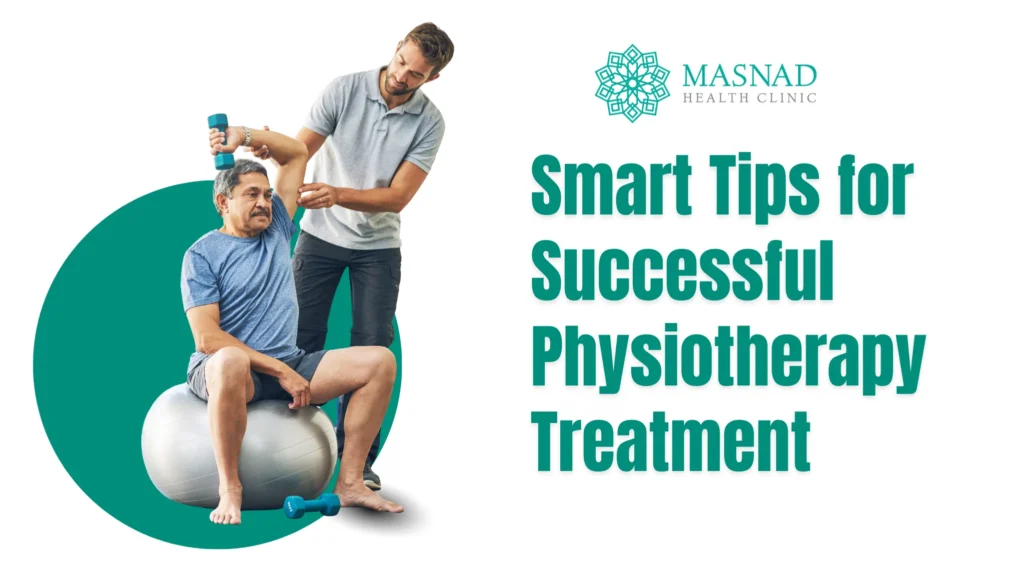
Starting physiotherapy is an important step toward recovery, whether you’re dealing with an acute injury, long-term pain, or returning to activity after time away. While hands-on treatment plays a role, what you do in and between appointments can have a significant impact on your results.
Making the most of physiotherapy is about partnership – working together with your physiotherapist to support healing, build resilience, and prevent future problems.
One of the most powerful tools in recovery is understanding what’s happening in your body. When you know why you’re experiencing pain or restriction, it becomes easier to make informed choices that support healing.
Your physiotherapist can explain:
There are no “silly” questions. Asking for clarification helps you feel more confident, reduces uncertainty, and makes it easier to follow advice consistently.
Everyone’s goals are different. For some, it’s returning to sport or high-level performance. For others, it might be sleeping comfortably, lifting grandchildren, or simply moving with less pain.
Discussing both short-term and long-term goals allows your physiotherapist to tailor treatment to what matters most to you. Clear goals also help track progress and keep motivation high during recovery.
Physiotherapy doesn’t end when you leave the clinic. Targeted home exercises are essential for restoring strength, mobility, and control.
These exercises help by:
Try to treat your exercises like medication – consistency matters. If you’re unsure about technique or frequency, ask your physiotherapist to review it with you.
Recovery is a balance between loading tissues enough to stimulate healing and allowing sufficient rest. Doing too much too soon can delay progress, while avoiding movement entirely can lead to stiffness and weakness.
Your physiotherapist will guide you on:
Following this guidance reduces the risk of re-injury and supports long-term outcomes.
Healing takes time, especially if a condition has been present for a while. Progress isn’t always linear – some improvements are subtle and may not be immediately noticeable.
You might consider tracking:
These small changes often indicate meaningful improvement, even if pain levels fluctuate.
Physiotherapy is most effective when it’s a collaborative process. Staying engaged, asking questions, completing exercises, and trusting the recovery timeline all contribute to better results.
If something doesn’t make sense or feels challenging, open communication with your physiotherapist can make a significant difference to your recovery experience.
At Masnad Health Clinic, our physiotherapists work closely with you to understand your goals, guide your recovery, and support long-term movement health. We focus on education, personalised care, and practical strategies to help you get the most from every session.
Call now to book your physiotherapy appointment: (02) 9793 8840
Recovery time varies depending on the condition, severity, and how long symptoms have been present.
Yes. Home exercises support healing between sessions and are a key part of long-term recovery.
Mild soreness can be normal, but persistent or worsening pain should be discussed with your physiotherapist.
Your physiotherapist will guide you on which activities are safe and how to modify them if needed.
Always ask. Understanding your care helps you stay confident and engaged throughout recovery.
Many people live with pain, stiffness, or movement restrictions for weeks, months, or even years before seeking professional help.
Many people live with pain, stiffness, or movement restrictions for weeks, months, or even years before seeking professional help.

Are you in pain? Not sure if we can help you?
Book your initial appointment and receive 10% off any service!