Sever’s Disease

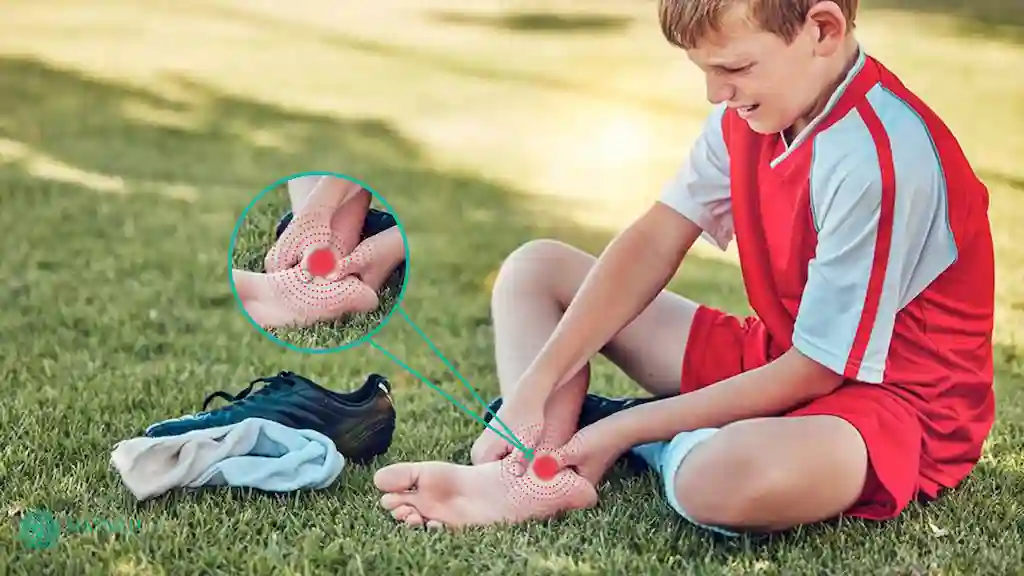
child athlete holding their heel in mild pain

What is Sever’s disease?

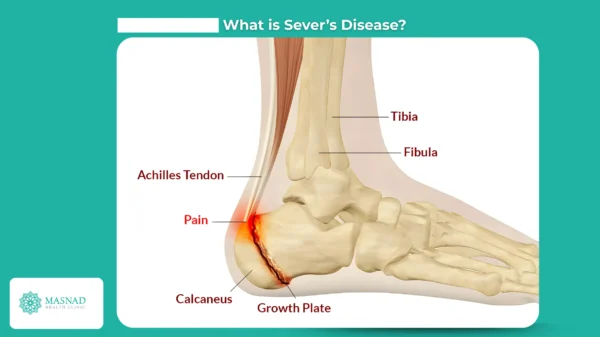
medical illustration or anatomical diagram

Sever’s Disease, also known as Calcaneal Apophysitis, is one of the most common causes of heel pain in growing children – typically between the ages of 8 to 15 years.

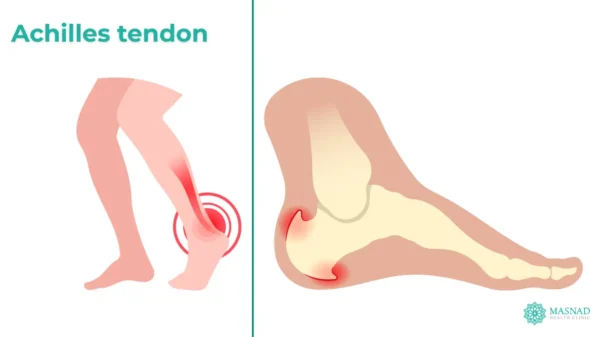
It occurs when the growth plate at the back of the heel becomes inflamed due to repetitive stress or tension from the Achilles tendon. While the name might sound alarming, Sever’s Disease is not an actual disease, but rather a temporary growth-related condition that improves as your child matures.
What causes Sever's Disease?

Anchiles Tendon

During periods of rapid growth, the bones, muscles, and tendons don’t always grow at the same pace. In active children, especially those involved in running, jumping, or high-impact sports, the heel bone (calcaneus) grows faster than the surrounding muscles and tendons can stretch. This creates tension at the point where the Achilles tendon attaches to the heel, leading to inflammation, pain, and stiffness.

Other contributing factors may include:

  • Tight calf muscles or Achilles tendon
  • Poor foot biomechanics such as flat feet or high arches
  • Inadequate or worn-out footwear
  • Training on hard surfaces
  • Sudden increases in physical activity

Common Symptoms

Parents often notice their child:

  • Complaining of heel pain or tenderness during or after sports
  • Limping or walking on their toes to avoid putting pressure on the heel
  • Experiencing pain and stiffness after periods of rest or in the morning
  • Showing swelling, redness, or warmth at the back of the heel
  • Finding it difficult to participate in their usual activities due to discomfort

If your child’s heel pain seems persistent, worsens with activity, or causes limping – it’s time to have it checked by a professional.

How is Sever’s Disease Diagnosed?

examining a child’s heel

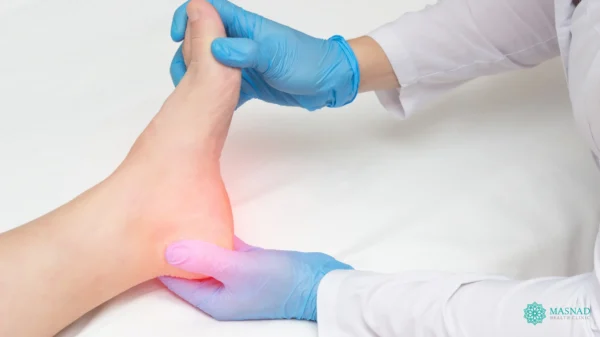
A physiotherapist or doctor can diagnose Sever’s Disease through a thorough assessment, including a physical examination and movement testing.

A common diagnostic indicator is the “heel squeeze test”, where pain occurs when the sides of the heel are gently pressed.

In most cases, X-rays are not required, unless other conditions need to be ruled out.

Treatment and Management

The good news is that Sever’s Disease is self-limiting – it will resolve once the growth plate fully matures. However, proper management is essential to reduce pain and allow your child to stay active safely.

Your treatment plan may include:

  • Activity modification: Reducing or pausing high-impact activities to give the heel time to recover.
  • Ice therapy: Applying ice packs to reduce pain and inflammation.
  • Stretching and strengthening: Gentle exercises to stretch the calf muscles and strengthen the lower limbs.
  • Orthotic support: Custom shoe inserts can help correct foot alignment and reduce stress on the heel.
  • Supportive footwear: Well-cushioned, shock-absorbing shoes are essential.
  • Pain relief: If required, your healthcare provider may recommend anti-inflammatory medications.

Your physiotherapist can also create a tailored rehabilitation program to restore flexibility, balance, and strength – ensuring your child returns to sport safely and confidently.

How Long Does Recovery Take?

With the right care and activity modification, most children recover within 2 to 8 weeks. However, returning to sport should only occur once your child is pain-free.

Even after recovery, maintaining good flexibility and proper footwear can prevent recurrence as your child continues to grow.

Prevention Tips

  • Encourage proper warm-up and stretching before activities
  • Ensure your child wears supportive shoes with good shock absorption
  • Avoid training on overly hard surfaces
  • Promote balanced activity levels with adequate rest days
  • Maintain good flexibility in the calf and Achilles muscles

A little prevention can go a long way in keeping your child active, healthy, and pain-free.

Gentle Support During Recovery

For children experiencing heel pain from Sever’s Disease, gentle cushioning can make a big difference.

Footeez Heel Cushion is designed to absorb shock, reduce heel strain, and support proper foot alignment – helping your child stay active while healing comfortably.

But it should only be used after a physiotherapist’s recommendation.

Why Choose Masnad Health Clinic?

At Masnad Health Clinic, we understand that growing bodies need the right support.
Our experienced physiotherapists and allied health team work together to diagnose, treat, and manage Sever’s Disease with a gentle, evidence-based approach – helping your child move comfortably and return to the activities they love.

Whether it’s heel pain, sports injuries, or growth-related conditions, our team provides comprehensive care tailored to your child’s needs.

For all your Sever’s Disease needs, feel free to give us a call on (02) 9793 8840 or Book Online

FAQs

It’s best to reduce high-impact activities until the pain subsides. Low-impact exercises like swimming can help maintain fitness during recovery.

Most children recover within 2–8 weeks, but symptoms may return during future growth spurts if preventive measures aren’t followed.

No. It is a temporary growth-related condition that resolves once the heel bone fully matures.

Yes. Custom orthotics or heel cushions can support proper alignment and reduce stress on the growth plate.

If your child complains of persistent heel pain that limits walking or sports participation, it’s best to consult a physiotherapist promptly.