

Fatigue, Stress & Anxiety: Why You Feel Constantly Drained
Feeling exhausted has become so common that many people believe it’s simply…

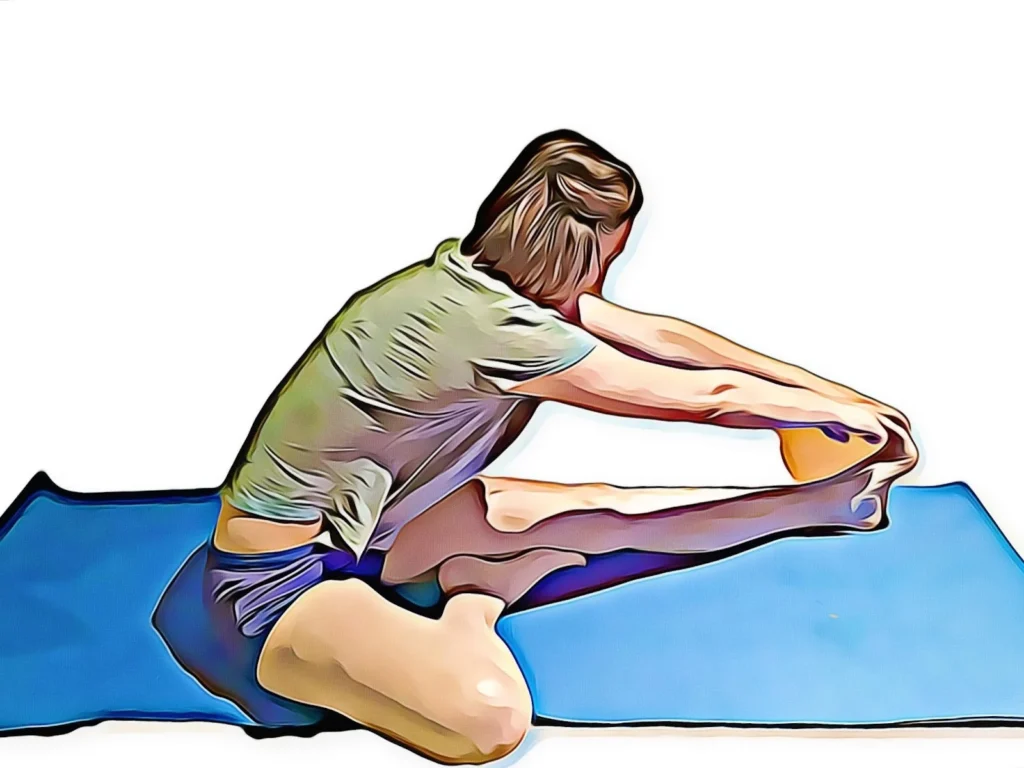
In our increasingly sedentary world, many of us spend hours each day sitting-at work, during commutes, or relaxing at home. Whilst modern life often demands long periods of stillness, our bodies are designed for movement. The good news? You don’t need to become a gym enthusiast to experience the benefits of a more active lifestyle. Small, consistent changes can make a remarkable difference to your physical health, mental wellbeing, and overall quality of life.
Physiotherapists consistently observe that one of the most significant contributors to pain and injury is simply lack of physical activity. Getting more movement in your day doesn’t need to be about high-intensity exercise-all movement can be beneficial.
When we sit for extended periods, several changes occur that impact our health. Blood flow decreases, muscles become tight and weak, joints stiffen, and our metabolism slows down. Over time, this sedentary behaviour increases the risk of chronic pain, cardiovascular issues, and mental health challenges.
Physical activity supports every system in our body. Regular movement improves cardiovascular health, strengthens bones, enhances mood through endorphin release, improves sleep quality, boosts cognitive function, and helps maintain a healthy weight. Research from health authorities worldwide emphasises that even light-intensity movement throughout the day can counteract many negative effects of prolonged sitting.
Common indicators that you may need to increase your daily activity include:
If you’re experiencing any of these regularly, it’s worth examining your daily movement patterns.
The Pomodoro Technique, developed in the late 1980s, recommends breaking work into intervals – typically 25 minutes of focused work followed by a 5-minute break. Studies have shown that these structured time limits enhance focus whilst the regular breaks serve as powerful motivators.
Use each break as an opportunity for physical activity. Take a short walk, perform some gentle stretches, do a set of squats, or simply stand and move your joints. Setting a timer can help establish this rhythm until it becomes habitual. Even two minutes of movement every half hour can substantially reduce the negative effects of prolonged sitting.
A little healthy competition is a great way to keep you motivated to move more. Challenge a friend, family member, or colleague to match your daily step count. You can set daily, weekly, or monthly targets and regularly compare progress to keep each other on track.
Apps like Habitica gamify habit formation by creating a role-playing game environment where completing real-life habits helps your character progress. The social component provides external motivation and makes movement feel less like a chore and more like an enjoyable part of your day.
Small environmental changes can naturally increase your daily movement:
These environmental cues make movement the path of least resistance, helping you overcome the inertia that keeps us sedentary.
Use small pockets of waiting time throughout your day as prompts for mini exercise routines. Whilst waiting for the kettle to boil, try fitting in two sets of five squats, five lunges on each leg, or five calf raises. Practice balancing on each leg for 30 seconds or do some gentle spinal twists.
These micro-workouts might seem insignificant individually, but they add up substantially over time. More importantly, they help maintain joint mobility and activate muscles that become dormant during sitting.
Gentle stretching before bed promotes relaxation, maintains joint mobility, releases accumulated tension, and can significantly improve sleep quality. Focus on stretches that target areas most affected by sitting: hip flexors, hamstrings, lower back, chest, and neck.
Hold each stretch for 20-30 seconds, breathing deeply and never pushing into pain. Even 10 minutes of gentle stretching can make a noticeable difference to how you feel the next morning. Consistency is more important than duration-make it a non-negotiable part of your bedtime routine.
If you’re experiencing pain, stiffness, or limitations that make increasing movement challenging, working with a healthcare professional can be invaluable. Physiotherapists specialise in assessing movement patterns, identifying areas of weakness or tightness, and creating personalised strategies to help you move more comfortably and confidently.
During an initial consultation, a physiotherapist will assess your current movement patterns, understand your daily routine and lifestyle factors, identify specific areas of concern, and create a tailored plan with exercises suited to your needs. This professional guidance ensures you’re moving in ways that support your body, particularly if you’re dealing with existing pain or injury.
Consistent, increased daily movement over time can significantly reduce chronic pain, improve cardiovascular health, enhance mental wellbeing, increase bone density, improve balance and coordination, maintain functional independence, enhance cognitive function, improve sleep quality, increase overall energy, and boost workplace productivity.
These benefits compound over time, meaning the earlier you start incorporating more movement, the greater the long-term impact on your health and quality of life.
You don’t need to do everything at once. Start with one small change-stand up more often, add a short walk, or stretch before bed. Consistency matters far more than intensity.
If pain, stiffness, or injury is stopping you from moving confidently, a physiotherapist can help identify what’s holding you back and create a plan that fits your lifestyle.
At Masnad Health Clinic, our physiotherapists help you move more comfortably and confidently-whether you’re managing pain, recovering from injury, or simply trying to stay active. We create personalised programs that fit into real life, not perfect routines.
Call now to book your physiotherapy appointment: (02) 9793 8840
Many people live with pain, stiffness, or movement restrictions for weeks, months, or even years before seeking professional help.
Many people live with pain, stiffness, or movement restrictions for weeks, months, or even years before seeking professional help.

Are you in pain? Not sure if we can help you?
Book your initial appointment and receive 10% off any service!