
Pelvic organ prolapse can be a frustrating and sometimes isolating condition, but there’s good news – you’re not alone, and help is available. At Masnad Health Clinic, our Women’s Health Physiotherapist, Janet Darwish, has been supporting women through their prolapse journey for many years, and one of the most effective tools in her toolkit is the pessary.
If you’ve never heard of pessaries, or you’re unsure how they work, this blog will walk you through the basics so you can feel more confident exploring your options.
What Is a Pessary?
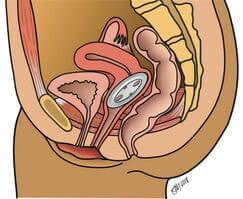
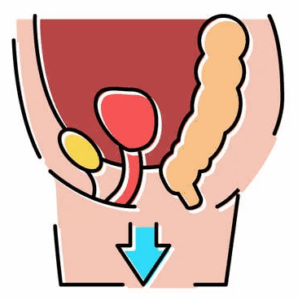
A pessary is a small, soft device that is gently inserted into the vagina to help support the pelvic organs. It’s often used as a non-surgical treatment for pelvic organ prolapse, where the bladder, uterus, or bowel may drop from their usual position and cause a feeling of heaviness, pressure, or a bulge.
Think of a pessary as a little internal support – kind of like a sports bra for your pelvic organs!
Why Choose a Pessary?
Pessaries are a popular option because they’re:
- Non-invasive: no surgery required
- Removable: they can be taken out, adjusted, or replaced easily
- Effective: many women find great relief from prolapse symptoms
- Custom-fit: our Women’s Health Physiotherapist ensures each pessary is the right size and style for your unique body and lifestyle
Whether you’re looking to delay or avoid surgery, manage symptoms during exercise, or simply feel more comfortable in your day-to-day life, a pessary may be a great option.

Types of Pessaries – Finding the Right Fit for You
Pessaries come in a variety of shapes and sizes because every woman’s body is different – and your prolapse support should be too. At Masnad Health Clinic, Janet is trained to fit and manage a wide range of pessaries, and will work with you to find the one that feels comfortable and works best for your lifestyle.
- Ring Pessary: one of the most popular choices, especially for mild to moderate prolapse. It’s flexible, easy to insert and remove, and often used by women who want to manage symptoms during the day or while exercising – it is the most common pessary which can be left without removal for a few months in some women.
- Ring with Support: similar to the basic ring, but includes a supportive membrane for a little extra lift – ideal for bladder or uterine prolapse.
- Cube Pessary: provides firm, suction-based support and stays in place well, even during physical activity. Often used for more advanced prolapse and typically removed at night.
- Gellhorn Pessary: a more rigid option for moderate to severe prolapse. It offers strong support and is often managed by your clinician during check-ups.
- Donut Pessary: shaped like a small donut, it’s used in cases of more significant prolapse and offers stable, long-lasting support.
- Incontinence Dish or Ring with Knob: these can help support the vaginal walls while also reducing urine leakage during coughing, sneezing or exercising.
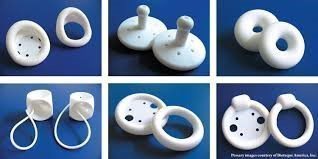
There are also specialty pessaries designed for postpartum support, sexual activity, or specific lifestyle needs. No matter your situation, you’ll be guided through the options in a safe and comfortable way.
The Pessary Fitting Service at Masnad Health Clinic
Fitting a pessary isn’t a one-size-fits-all process. At Masnad, we offer a comprehensive and compassionate pessary fitting service tailored to your individual needs.
Janet has years of experience fitting a wide range of pessaries and takes the time to walk you through each step:
- Initial Consultation
We’ll chat about your symptoms, medical history, and goals for treatment. You’ll also have a pelvic assessment to help guide the fitting.
- Trying the Fit
Different pessaries have different shapes and sizes. We’ll try a few options to find the most comfortable and effective fit for you, then assess a few movements and check to make sure the pessary hasn’t moved.
- Follow-Up and Support
After your fitting, we’ll check in regularly to make sure everything is working well. You’ll be fully supported with guidance on cleaning, maintenance, and long-term care.
Is a Pessary Right for You?
A pessary might be worth considering if you:
- feel a vaginal bulge or heaviness
- leak urine when you cough, sneeze or exercise
- experience discomfort when standing for long periods
- want to avoid or postpone surgery
- are postpartum and need temporary support
You don’t need a referral to book a fitting, and our team is always happy to answer any questions before your appointment.
Let’s Talk About It
At Masnad Health Clinic, we know that talking about prolapse and pessaries can feel a little uncomfortable – but it doesn’t have to be. Our goal is to create a warm, understanding space where you feel safe and supported to make informed decisions about your body.

If you’re curious about pessaries or wondering if it’s the right option for you, reach out to our friendly team, fill and submit in your details below for a courtesy call from Janet, or directly book a consultation.
You don’t have to live with discomfort – there’s support, and it starts here.
📞 Call us on (02) 9793 8840
📍 Visit us at Masnad Health Clinic, Bankstown
🌐 https://www.masnad.com.au/