

Rheumatoid Arthritis: Causes, Symptoms & Physiotherapy Management
Overview
Rheumatoid Arthritis (RA) is a long-term autoimmune condition that affects joints throughout the body, often causing pain, swelling, and stiffness. Unlike osteoarthritis – which usually develops from wear and tear – RA occurs when the immune system mistakenly attacks healthy joint tissues.
This ongoing inflammation can lead to joint damage, deformity, and reduced function if not managed early.
RA can affect anyone, although it is more common among women and often begins between the ages of 30-60. Because it typically affects multiple joints on both sides of the body, early diagnosis and holistic management are crucial for maintaining mobility, comfort, and overall quality of life.
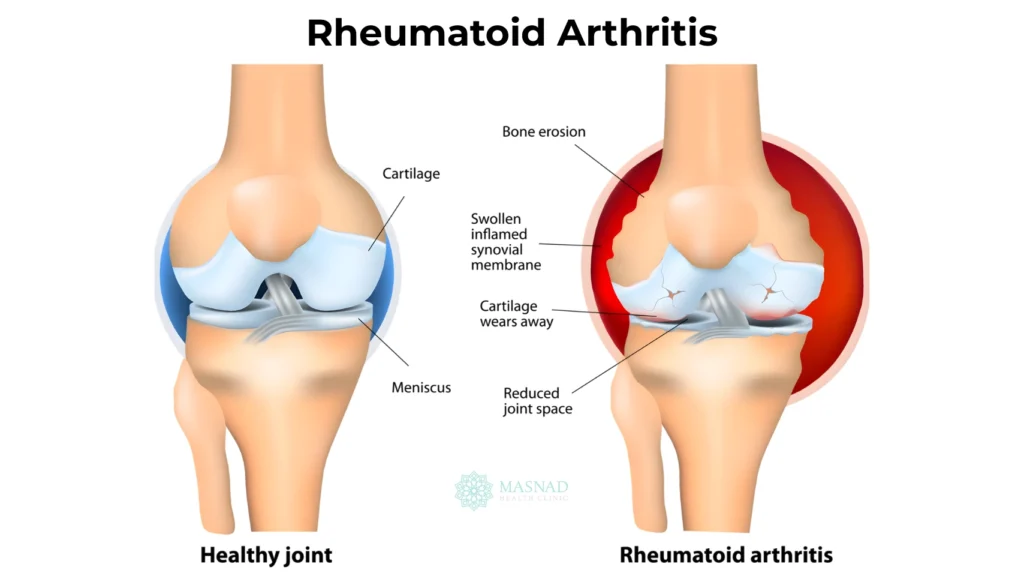
What is Rheumatoid Arthritis?
Rheumatoid Arthritis is an autoimmune disease where the body’s immune system becomes overactive and mistakenly attacks the lining of the joints (the synovium).
This causes:
- Ongoing inflammation
- Increased fluid in the joint
- Pain and tenderness
- Progressive damage to cartilage and bone
- Weakening of surrounding muscles and ligaments
Over time, repeated flare-ups can cause visible joint changes such as deformity or drifting of the fingers, especially in the hands and feet.
RA is a systemic condition – meaning it can affect the entire body, including the eyes, lungs, heart, and blood vessels. This makes early treatment even more important.
What Are the Symptoms of Rheumatoid Arthritis?
Symptoms often come in cycles of flare-ups and remissions, where discomfort varies from mild to severe.
Common symptoms include:
- Joint swelling, warmth, and tenderness
- Redness or puffiness in affected joints
- Stiffness, especially in the morning (often lasting 1-2 hours)
- Pain that worsens with rest rather than activity
- Fatigue, low energy, and occasional low-grade fever
- Decreased grip strength
- Difficulty with tasks requiring fine motor skills
RA often affects multiple joints at the same time, commonly:
- Fingers
- Wrists
- Toes
- Knees
- Ankles
- Shoulders
Without proper care, long-term inflammation can lead to joint deformity and reduced function.
What Causes Rheumatoid Arthritis?
While the exact trigger is unknown, RA develops due to an inappropriate immune response – the body attacks its own joint tissue.
Factors believed to contribute include:
- Genetics: Family history increases the risk.
- Gender: Women are more likely to develop RA due to a stronger immune response.
- Smoking: One of the strongest preventable risk factors.
- Obesity: Extra weight may increase systemic inflammation.
- Hormonal changes: May contribute to onset, especially postpartum.
- Viral triggers: Some infections might initiate the immune reaction.
RA is not caused by any single factor – it is a combination of immune dysfunction, genetics, and lifestyle.
How to Diagnose Rheumatoid Arthritis
A physiotherapist or healthcare provider may recommend:
- Physical examination: Checking for swelling, tenderness, mobility limitations.
- Blood tests: Looking for markers like rheumatoid factor (RF) or anti-CCP antibodies.
- Ultrasound or MRI: To detect early joint inflammation.
- X-rays: To monitor long-term joint changes.
- Symptom history: Understanding flare patterns and morning stiffness.
Early diagnosis helps slow progression and reduces long-term complications.
Treatment for Rheumatoid Arthritis
While there is currently no cure for RA, treatment can significantly improve symptoms and protect joints from damage.
Medical management often includes:
Anti-inflammatory medications (NSAIDs)
Used for short-term pain and swelling relief.
DMARDs (Disease-Modifying Anti-Rheumatic Drugs)
Slow down the autoimmune process and protect joints.
Biologic therapies
Advanced medications used when traditional treatments are not enough.
Lifestyle and dietary changes
Anti-inflammatory nutrition, weight management, and regular movement can support recovery.
How Physiotherapy Helps
Physiotherapy plays a vital role in helping people with RA stay mobile, active, and independent.
Physiotherapy goals include:
- Reducing pain and inflammation
- Improving joint mobility
- Restoring strength in surrounding muscles
- Supporting better posture and joint protection
- Minimising long-term deformities
- Improving everyday function
Common physiotherapy treatments:
- Heat or cold therapy – to ease pain and relax muscles
- Hydrotherapy – gentle exercise in warm water
- Manual therapy – joint mobilisation and soft tissue release
- Targeted strengthening – for hands, wrists, knees, shoulders, and feet
- Flexibility exercises – to reduce stiffness and maintain mobility
- Splinting or bracing – to protect joints during flare-ups
- Pain management strategies
- Education on pacing, flare-up management, and joint care
Physiotherapy empowers individuals to stay active while protecting their joints from further damage.
Recovery and Long-Term Outlook
Rheumatoid Arthritis is a lifelong condition, but with early treatment and consistent physiotherapy, many people experience:
- Reduced pain
- Fewer flare-ups
- Improved mobility
- Slower disease progression
- Better overall quality of life
Consistency in medication, physiotherapy, and self-care habits makes a significant difference.
Tips to Manage and Prevent RA Flare-Ups
- Maintain regular, low-impact exercise
- Use heat during stiffness and cold during swelling
- Avoid smoking
- Keep a healthy body weight
- Follow joint-protection techniques
- Manage stress levels
- Pace activities to avoid overloading inflamed joints
When to Seek Help
You should consult a healthcare provider if you experience:
- Persistent joint swelling
- Morning stiffness lasting more than 30 minutes
- Pain that moves between joints
- Difficulty performing daily tasks
- Repeated flare-ups or worsening symptoms
Early intervention prevents long-term joint damage and disability.
Why Choose Masnad Health Clinic?
- Experienced team with a deep understanding of chronic inflammatory conditions
- Personalised physiotherapy strategies tailored to your symptoms and lifestyle
- Hands-on treatment combined with targeted exercise programs
- A holistic approach focusing on long-term joint health
- Supportive care that empowers you to stay active and confident
Conclusion
Rheumatoid Arthritis can significantly impact daily life, but with the right combination of medical care, physiotherapy, and ongoing self-management, you can maintain mobility, reduce pain, and protect your joints for the long term.
For all your Rheumatoid Arthritis needs, feel free to call us on 02 9793 8840 or book your appointment online to begin your journey toward long-lasting comfort and improved function.
FAQs
No. RA is an autoimmune disease, while osteoarthritis is due to wear and tear.
Yes. Gentle movement, pain management techniques, and splinting can reduce discomfort.
Without treatment, yes. But early physiotherapy and medication significantly slow progression.
Absolutely. Weight management, regular activity, and anti-inflammatory nutrition all help.
Short rest is helpful, but prolonged rest can worsen stiffness. A physiotherapist will guide you on safe movement.