Achilles pain can be frustrating, persistent, and limiting. Whether you are a regular runner, a weekend walker, or someone who spends long hours on your feet at work, discomfort at the back of the heel can quickly affect your quality of life.
Shockwave Therapy for Achilles Tendinopathy has become an evidence-informed option for people who are not improving with rest alone. If you have been managing Achilles pain for weeks or even months, you may be wondering why it is not settling and what else can be done safely and effectively.
At Masnad Health Clinic in Bankstown and Lakemba, we regularly support people experiencing Achilles tendon issues. This blog will help you understand what Achilles tendinopathy is, why it develops, and how shockwave therapy may form part of a structured recovery plan.
Understanding Achilles Tendinopathy
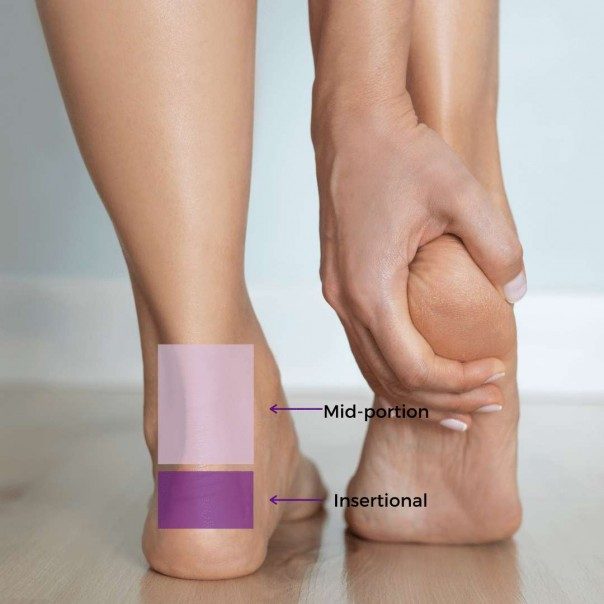
The Achilles tendon is the strong band of tissue that connects your calf muscles to your heel bone. It plays a critical role in walking, running, jumping, and climbing stairs.
Achilles tendinopathy is not usually a sudden tear. In most cases, it is a gradual overload condition. This means the tendon has been exposed to more stress than it can currently tolerate.
Common contributing factors include:
- Sudden increases in running distance or intensity
- Returning to exercise too quickly after a break
- Tight or weak calf muscles
- Poor load management
- Occupations involving prolonged standing
- Inadequate footwear
Over time, the tendon may become thickened, stiff, and painful. You might notice:
- Pain at the back of the heel, especially in the morning
- Stiffness when starting to walk
- Discomfort during or after running
- Tenderness when pressing on the tendon
- Swelling or thickening
Achilles pain often fluctuates. It may ease during activity and then worsen later. This pattern can make it confusing to manage without guidance.
How This Relates to Everyday Health
The Achilles tendon absorbs and releases force with every step you take. During running, it can experience forces up to several times your body weight.
For runners, a sudden change in training load is one of the most common triggers. Increasing speed sessions, hills, or total kilometres too quickly can overload the tendon.
However, Achilles tendinopathy is not limited to athletes. People who:
- Stand all day at work
- Wear unsupportive shoes
- Carry extra body weight
- Restart exercise after a long break can also develop persistent tendon pain.
Ignoring symptoms rarely resolves the issue. Simply resting for long periods may reduce pain temporarily, but without gradual strengthening, the tendon may remain sensitive and vulnerable when activity resumes.
This is where a structured rehabilitation approach becomes essential.
How Shockwave Therapy for Achilles Tendinopathy Can Help
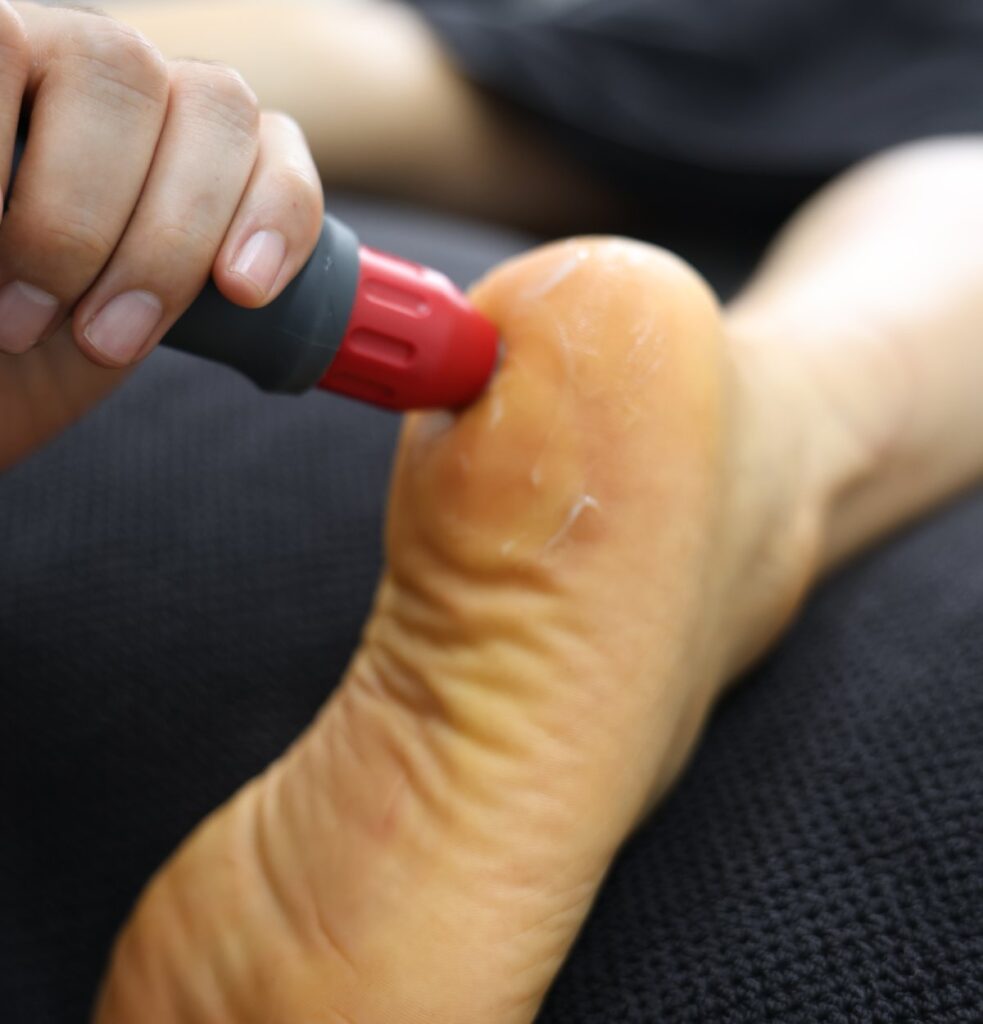
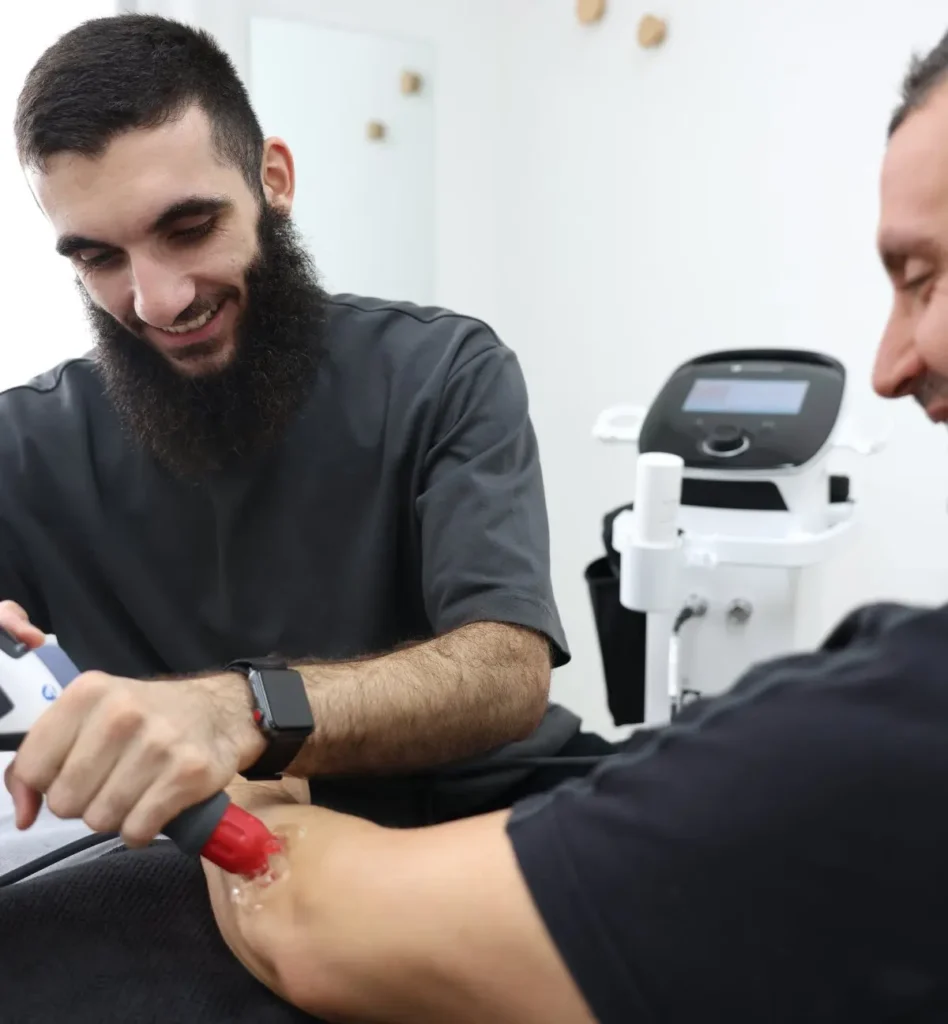
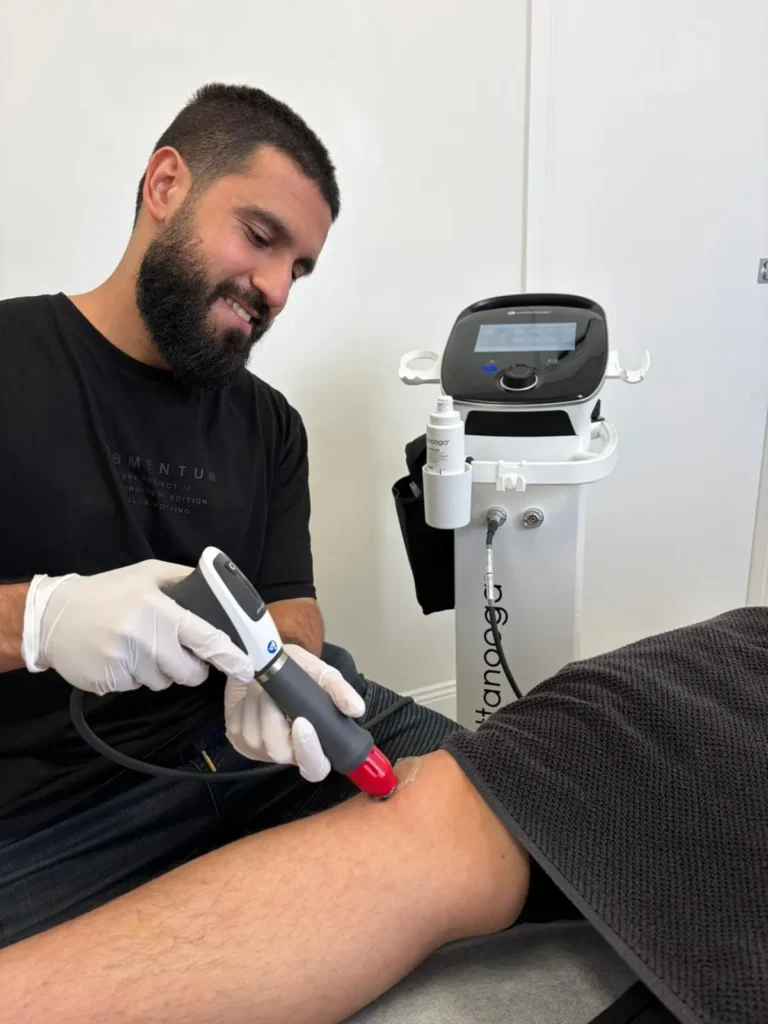
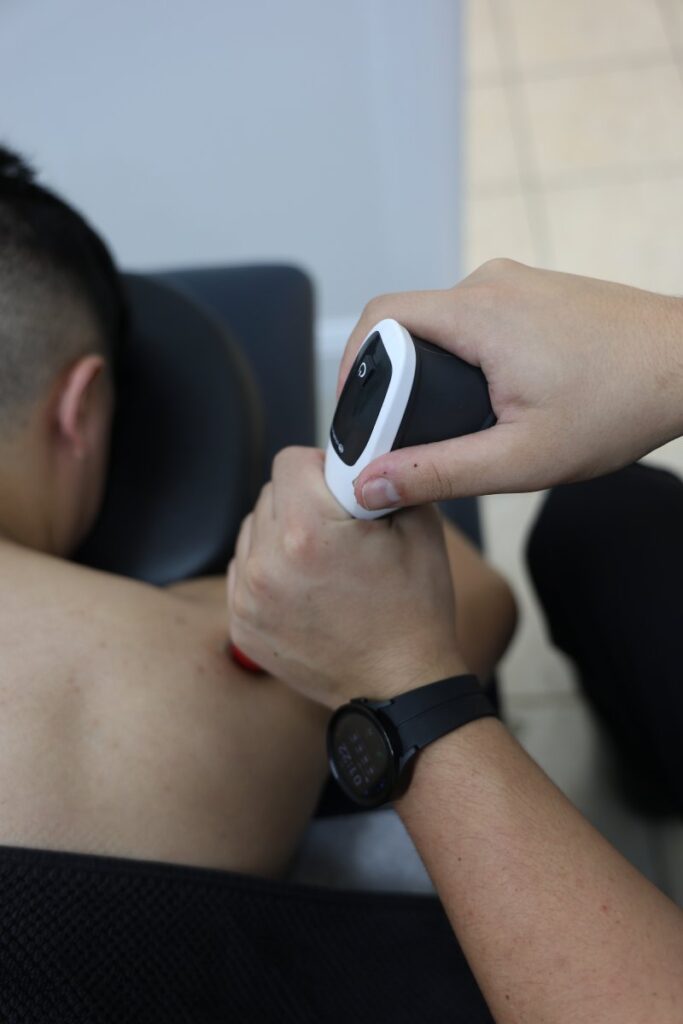
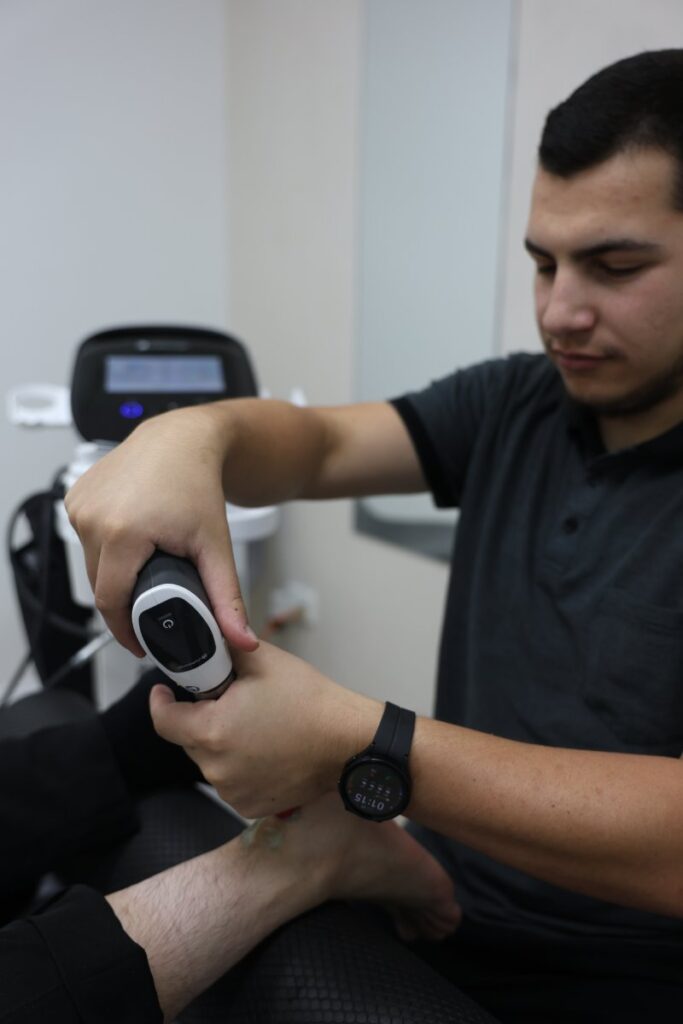
Shockwave therapy is a non-surgical treatment that uses targeted acoustic waves to stimulate tissue healing. It is commonly used for chronic tendon conditions that have not responded to basic management.
At Masnad Health Clinic, our approach to Shockwave Therapy is always integrated into a broader rehabilitation plan rather than used in isolation.
Shockwave therapy may help by:
- Stimulating blood flow to the tendon
- Encouraging tissue regeneration
- Reducing pain sensitivity
- Supporting the body’s natural healing response
It is generally considered for people who:
- Have had Achilles pain for more than 6 to 12 weeks
- Have tried rest or basic exercises without lasting improvement
- Experience ongoing pain that limits running or daily activity
Treatment sessions are relatively short and are performed in-clinic. Some mild discomfort during the procedure is normal, but it is typically well tolerated.
Importantly, shockwave therapy does not replace exercise rehabilitation. Tendons respond best to progressive loading. The goal is to combine shockwave therapy with a carefully structured strengthening program that builds the tendon’s capacity over time.
The Role of Exercise and Load Management
While shockwave therapy can support recovery, long-term improvement depends on restoring tendon strength.
Evidence-based rehabilitation for Achilles tendinopathy often includes:
- Isometric exercises for pain modulation
- Slow, heavy calf strengthening
- Progressive loading tailored to running goals
- Gradual return-to-run programs
For runners, this may involve adjusting training volume, reducing hill work temporarily, and improving recovery strategies.
Our physiotherapists work closely with patients to ensure exercises are:
- Individualised
- Safe and progressive
- Matched to lifestyle and sport demands
FAQs
Some discomfort during treatment is normal, especially over sensitive areas. However, most people tolerate it well, and sessions are brief.
This varies depending on symptom duration and severity. Many treatment plans involve a short series of sessions combined with structured exercise.
In many cases, running can continue in a modified form. Your clinician will guide safe load management based on your symptoms.
Not everyone is an ideal candidate. A proper assessment is essential to determine whether it is appropriate for your specific presentation.
Tendon rehabilitation is gradual. Improvements often occur over weeks to months, particularly in chronic cases.
Conclusion
Shockwave Therapy for Achilles Tendinopathy offers a structured, evidence-informed option for people experiencing persistent Achilles pain. When combined with progressive strengthening and careful load management, it can support meaningful and sustainable recovery.
If Achilles pain is affecting your walking, running, or daily life, you are welcome to book online or request a courtesy call to discuss whether shockwave therapy is suitable for you. Our team at Masnad Health Clinic is here to support your journey towards optimal health and happiness.