Shoulder pain can be surprisingly disruptive. Simple tasks like reaching into a cupboard, putting on a shirt, lifting a child, or returning to the gym can suddenly feel difficult and uncomfortable. For many people, the pain sits on the outside of the shoulder and may travel down the upper arm. It can feel sharp with movement or dull and aching at rest.
Shockwave Therapy for Rotator Cuff Tendinopathy is one treatment option that is increasingly discussed for persistent shoulder tendon pain. If you have been managing shoulder pain for weeks or months without lasting improvement, understanding how this approach works may help you make informed decisions about your care.
At Masnad Health Clinic in Bankstown and Lakemba, we support people experiencing ongoing shoulder tendon pain through structured, evidence-informed care. This article explains what rotator cuff tendinopathy is, why it develops, and how shockwave therapy may fit into a comprehensive recovery plan.
Understanding Rotator Cuff Tendinopathy
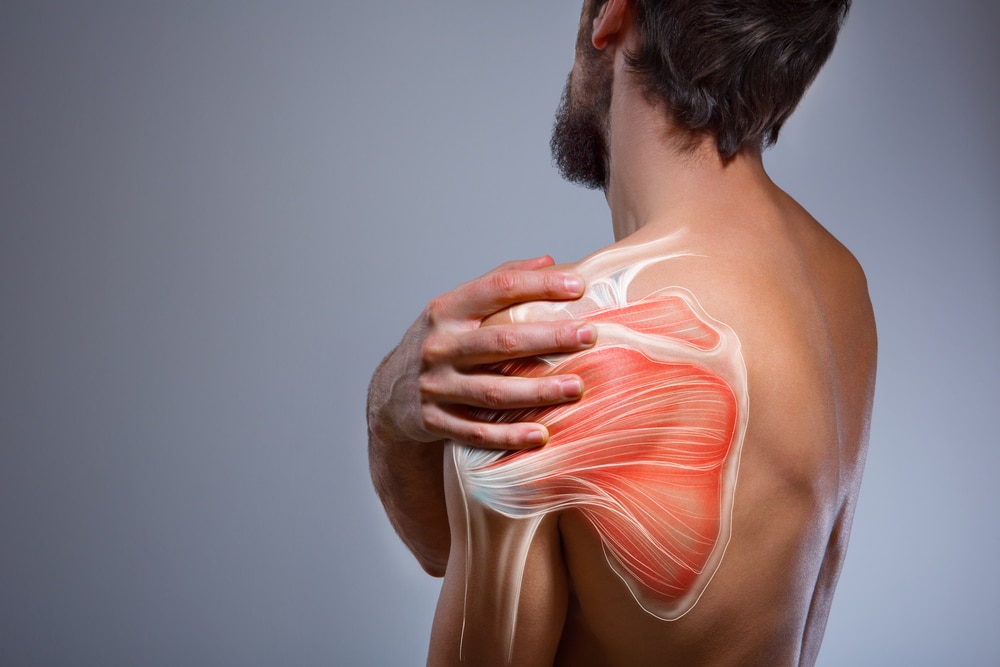
The rotator cuff is a group of four small muscles and their tendons that surround the shoulder joint. These tendons help stabilise the shoulder and guide smooth arm movement.
Rotator cuff tendinopathy is a condition where one or more of these tendons become irritated or overloaded. It is not usually a sudden tear. More often, it develops gradually due to repeated strain or poor load management.
Common contributing factors include:
- Repetitive overhead activities
- Sudden increases in gym training or sport
- Poor shoulder strength or control
- Long hours of desk work with rounded posture
- Age-related tendon changes
When a tendon is exposed to more load than it can tolerate, it can become sensitive and painful. This does not necessarily mean it is severely damaged. Tendons adapt slowly and need the right type of loading to recover.
Typical symptoms of rotator cuff tendinopathy may include:
- Pain when lifting the arm to the side
- Discomfort reaching overhead
- Shoulder pain at night, especially lying on that side
- Weakness or fatigue in the shoulder
- Pain when carrying heavy objects
These symptoms can vary in intensity and may fluctuate depending on activity levels.
How This Relates to Everyday Health
The shoulder is one of the most mobile joints in the body. That mobility allows us to perform countless daily tasks, from dressing and driving to working and exercising. However, this same mobility also means the joint relies heavily on the rotator cuff tendons for stability.
For office workers, prolonged sitting with forward shoulders may increase stress on the tendon over time. For tradespeople or gym-goers, repeated lifting can overload the tissue if strength and recovery are not balanced.
Shoulder pain often leads people to avoid movement. While short-term rest may ease discomfort, long-term avoidance can reduce strength and capacity. This can make the tendon even more sensitive when activity resumes.
Persistent shoulder tendon pain can affect sleep, mood, and confidence in movement. That is why structured support is important rather than relying solely on rest or pain relief measures.
How Shockwave Therapy for Rotator Cuff Tendinopathy Can Help
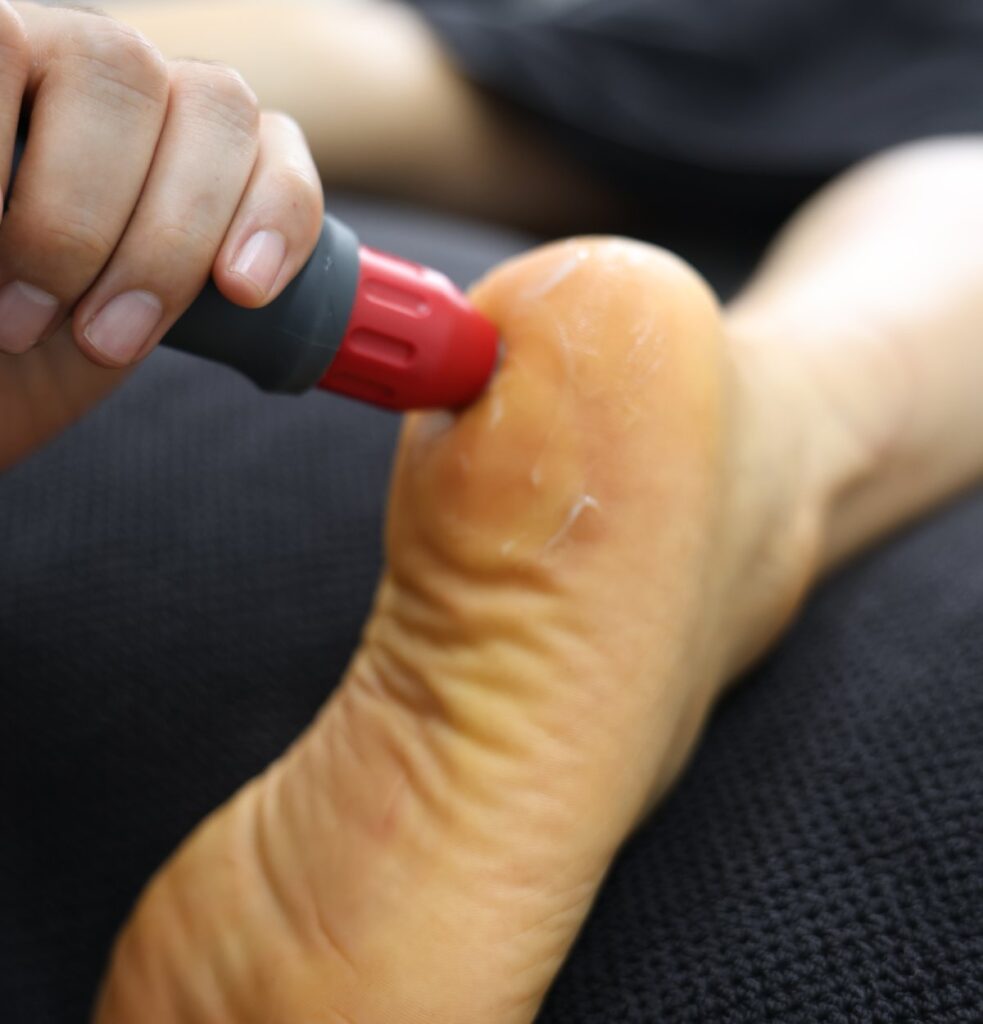
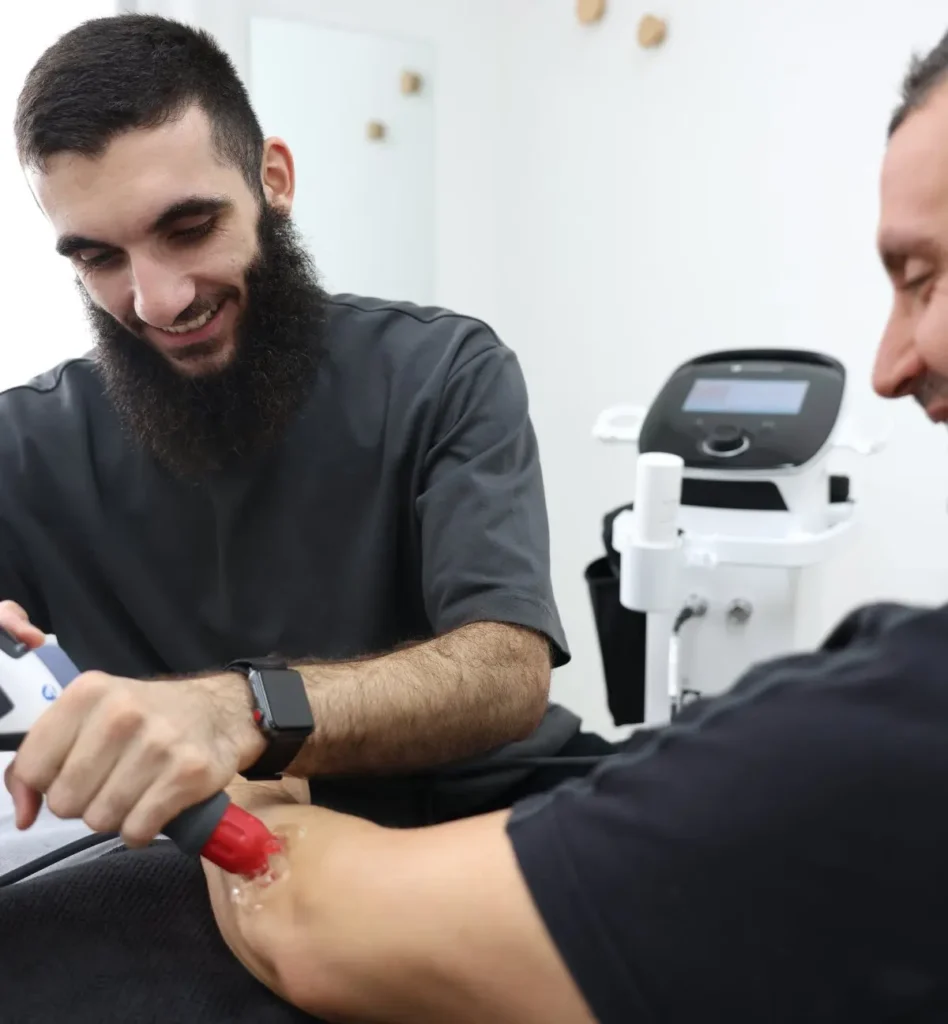
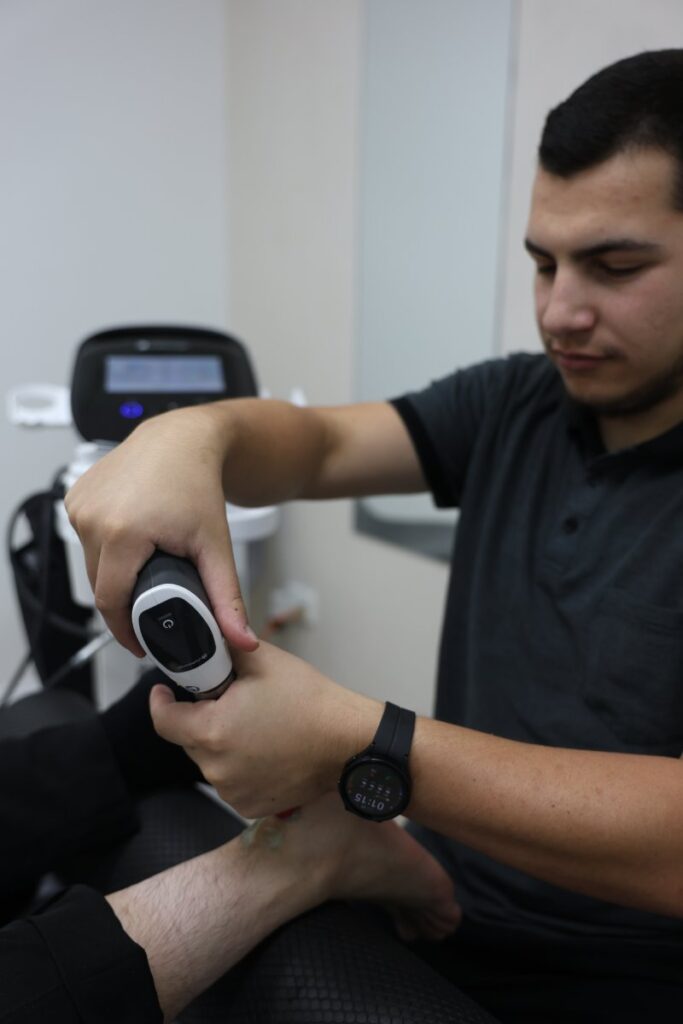
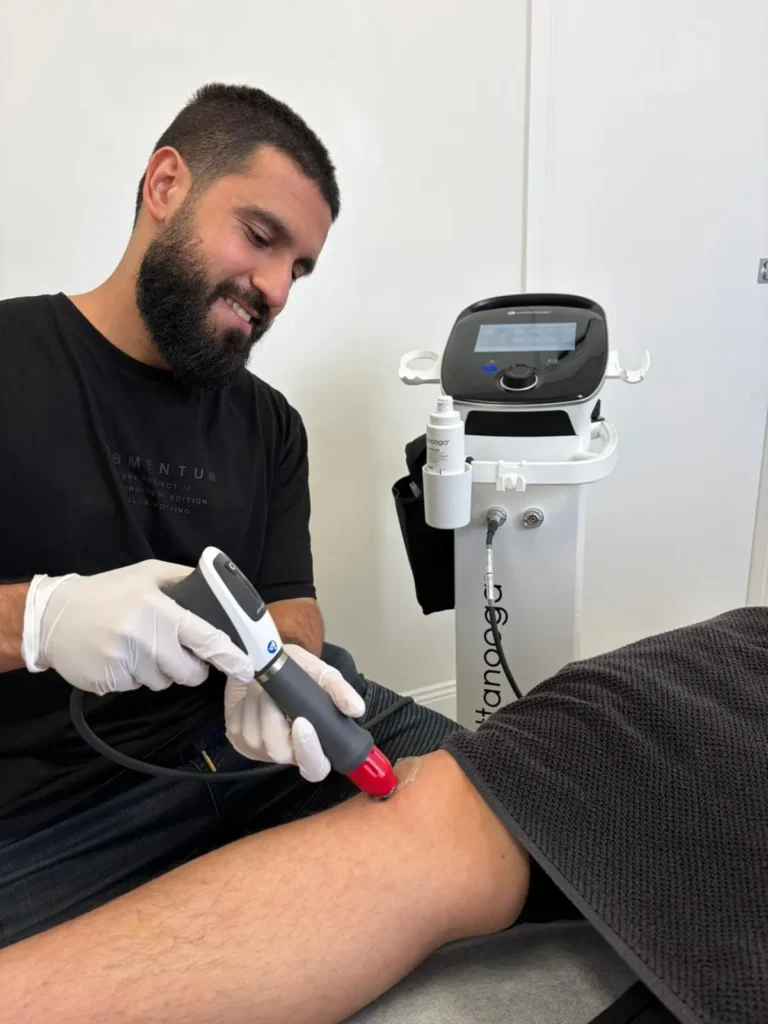
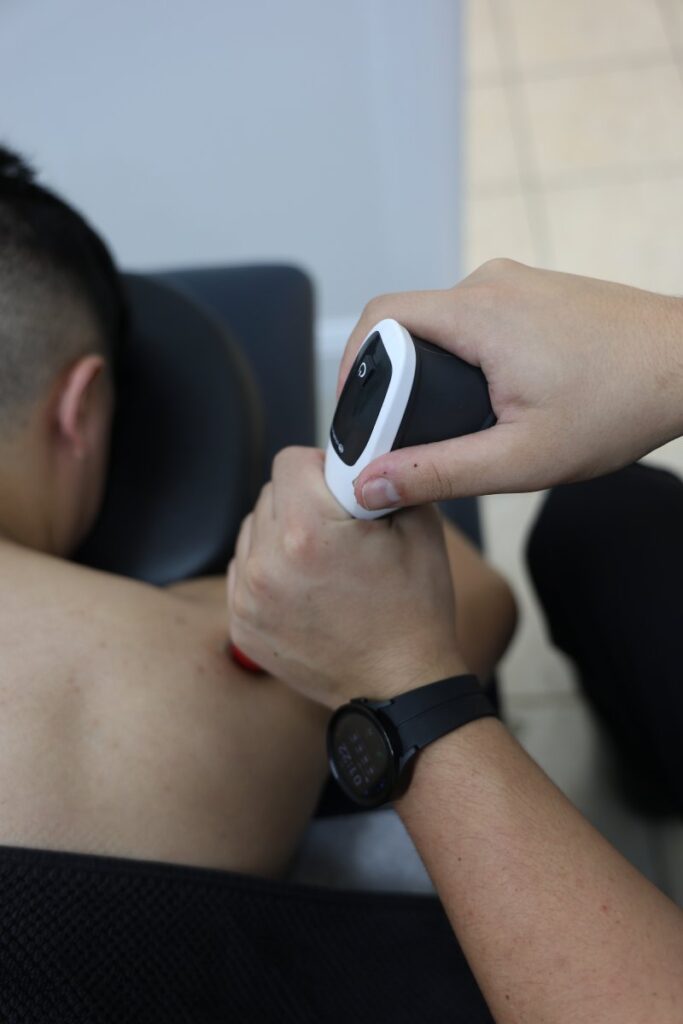
Shockwave Therapy is a non-surgical treatment that delivers controlled acoustic waves to the affected area. These waves are designed to stimulate a healing response in the tendon tissue.
Shockwave Therapy for Rotator Cuff Tendinopathy is typically considered when:
- Shoulder pain has been present for several weeks or months
- Symptoms are not settling with simple rest
- The tendon remains sensitive despite basic exercise
The proposed benefits of shockwave therapy may include:
- Stimulation of local blood flow
- Support for tissue regeneration
- Reduction in pain sensitivity
- Promotion of a biological healing response
Treatment sessions are performed in-clinic and are relatively brief. Some discomfort during application is common but usually manageable.
It is important to understand that shockwave therapy is not a stand-alone solution. Tendons respond best to gradual, progressive loading. At Masnad Health Clinic, shockwave therapy is integrated into a broader rehabilitation program tailored to the individual.
The Importance of Exercise and Shoulder Rehabilitation
While shockwave therapy can assist in stimulating recovery, restoring shoulder strength and control is central to long-term improvement.
Rehabilitation for rotator cuff tendinopathy often includes:
- Isometric exercises to help manage pain
- Rotator cuff strengthening
- Scapular stability training
- Gradual reintroduction to overhead tasks
- Education around load management
Each program is individualised. A person returning to tennis will require a different approach from someone aiming to work comfortably at a desk.
Long-Term Benefits and Health Outcomes
When shoulder tendon pain is managed appropriately, many people return to their normal activities with improved strength and confidence.
The long-term goals of combining shockwave therapy with structured rehabilitation include:
- Reduced shoulder pain
- Improved tendon capacity
- Stronger and more stable shoulder movement
- Safer return to sport or gym
- Reduced likelihood of recurrent flare-ups
Tendon adaptation is gradual. Meaningful improvement may take several weeks to months, particularly if the condition has been present for a long time.
Focusing on building capacity rather than simply removing pain helps create more sustainable outcomes.
When to Seek Professional Support
You may benefit from professional assessment if:
- Shoulder pain has persisted beyond a few weeks
- Night pain is affecting your sleep
- Lifting your arm is becoming increasingly difficult
- Pain is limiting work, sport, or daily tasks
- You are unsure how to exercise safely
Early guidance can help clarify contributing factors and prevent ongoing cycles of irritation.
If you are based in Bankstown, Lakemba, or surrounding Sydney suburbs, our team can provide individualised advice and support.
FAQs
When delivered by a trained clinician following appropriate assessment, shockwave therapy is generally considered safe. It is important to determine suitability before starting treatment.
The number of sessions varies depending on the duration and severity of symptoms. Shockwave therapy is typically delivered as part of a short series combined with exercise rehabilitation.
In many cases, gym training can continue with modifications. A clinician can guide you on which movements to reduce and which strengthening exercises to prioritise.
No single treatment guarantees a cure. Shockwave therapy is designed to support the body’s healing process and is most effective when combined with progressive strengthening.
Not necessarily. Many cases of rotator cuff tendinopathy involve tendon irritation or overload rather than a full tear. Proper assessment helps clarify this.
Conclusion
Shockwave Therapy for Rotator Cuff Tendinopathy offers an evidence-informed option for people experiencing ongoing shoulder tendon pain. When combined with progressive strengthening, education, and load management, it can support meaningful and sustainable recovery.
If shoulder pain is affecting your work, sleep, or exercise, you are welcome to book online or request a courtesy call to discuss whether shockwave therapy is appropriate for you. Our team at Masnad Health Clinic is here to support your journey towards better shoulder health and overall wellbeing.