Tennis elbow can be frustrating, limiting, and surprisingly common. Despite its name, you do not need to play tennis to develop it. Many people experience this condition from everyday tasks such as lifting, gripping, typing, or using tools at work.
If you have ongoing outer elbow pain that has not settled with rest or basic treatment, you may have heard about shockwave therapy for tennis elbow. This evidence-informed treatment is increasingly used in physiotherapy settings to support tendon healing and reduce persistent pain.
At Masnad Health Clinic in Bankstown and Lakemba, we often see people who have been managing elbow pain for months before seeking help. In this guide, we explain what tennis elbow is, how shockwave therapy works, and how a multidisciplinary approach can support long-term recovery.
Understanding Tennis Elbow
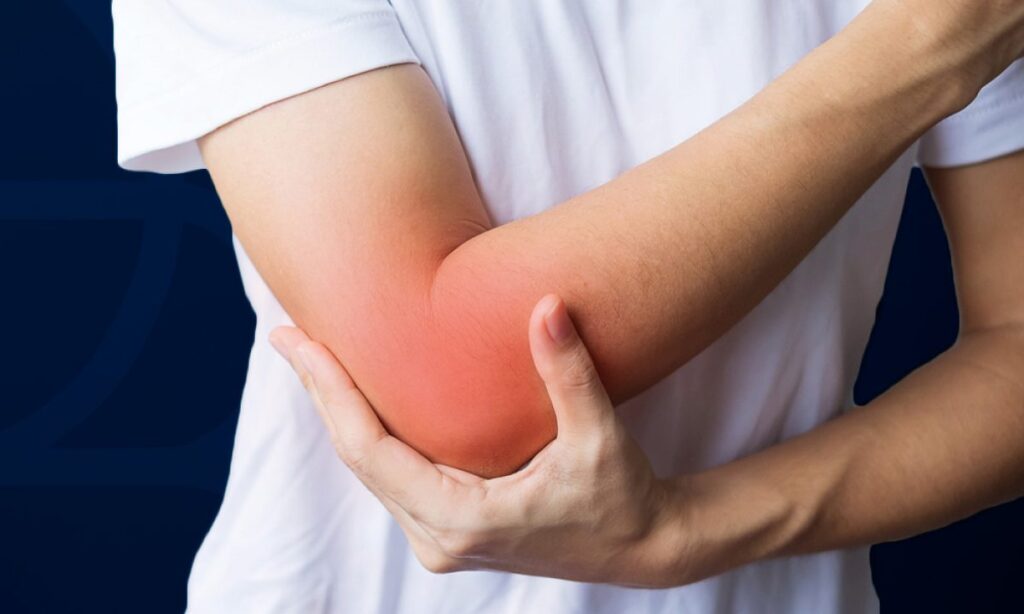
Tennis elbow is the common name for lateral elbow tendinopathy. It affects the tendons that attach to the outside of the elbow, particularly those involved in wrist and finger extension.
These tendons can become overloaded due to:
- Repetitive gripping
- Manual labour
- Racquet sports
- Prolonged computer work
- Lifting heavy objects
Contrary to older beliefs, tennis elbow is not usually a classic inflammatory condition. Instead, it often involves small degenerative changes within the tendon. This is why anti-inflammatory strategies alone may not fully resolve the problem.
Symptoms commonly include:
- Pain on the outer part of the elbow
- Discomfort when gripping or lifting
- Weakness in the forearm
- Pain that worsens with repetitive use
When elbow pain persists for more than a few weeks, it may indicate that the tendon needs targeted rehabilitation rather than rest alone.
How Shockwave Therapy for Tennis Elbow Works
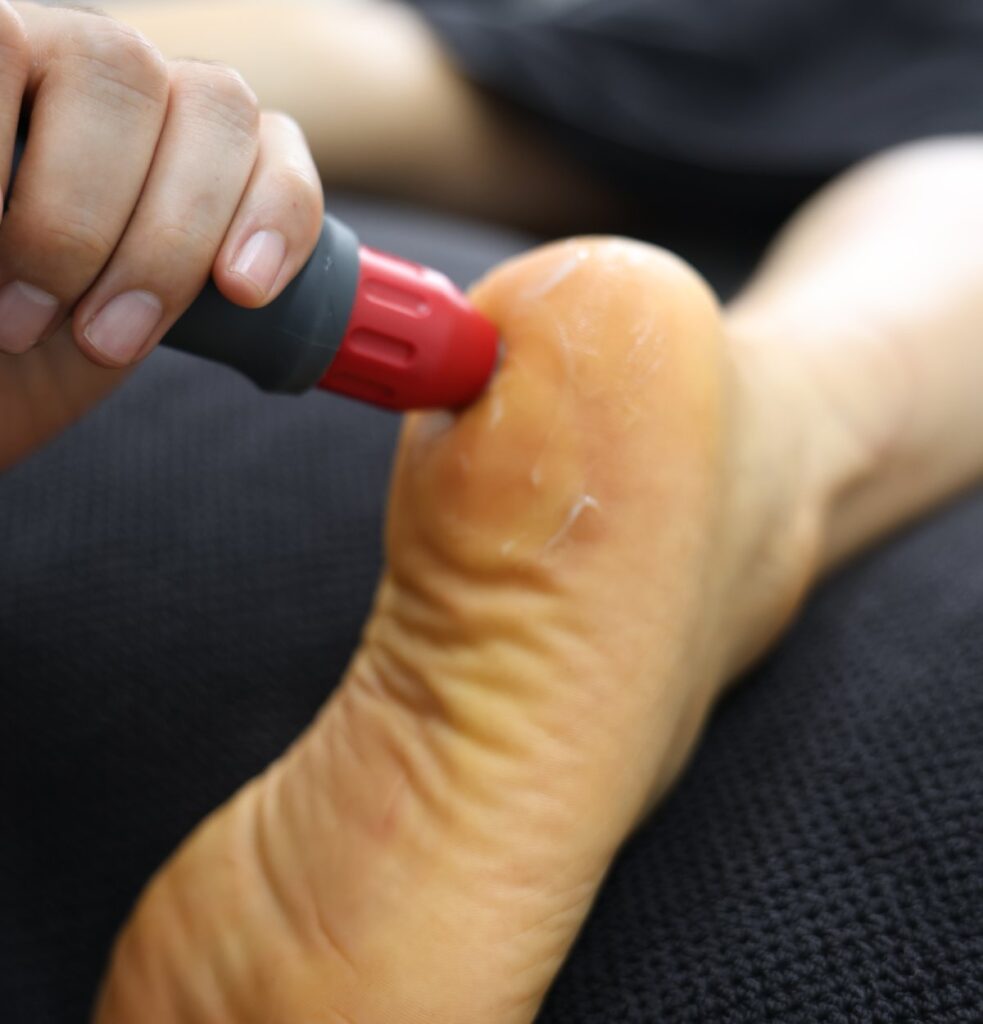
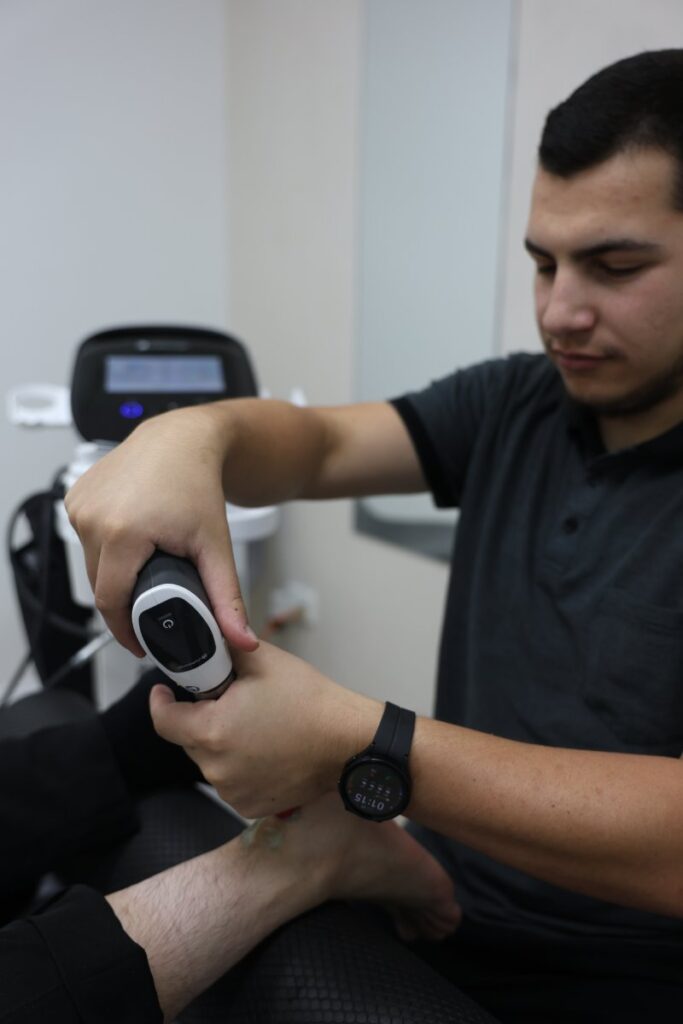
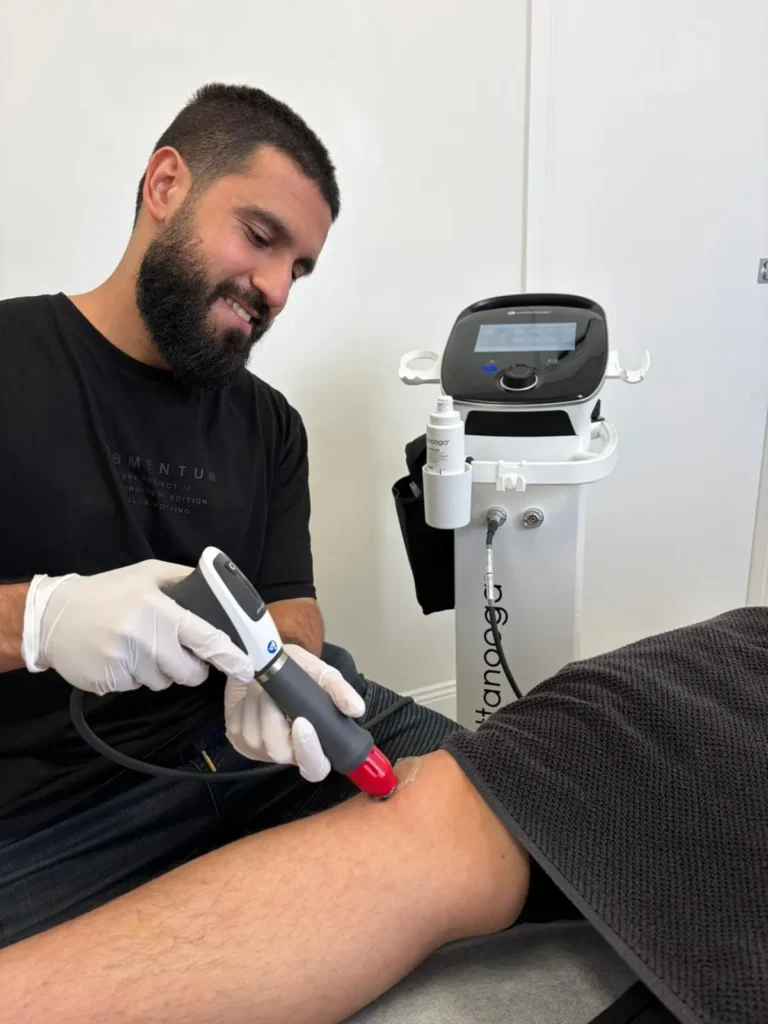
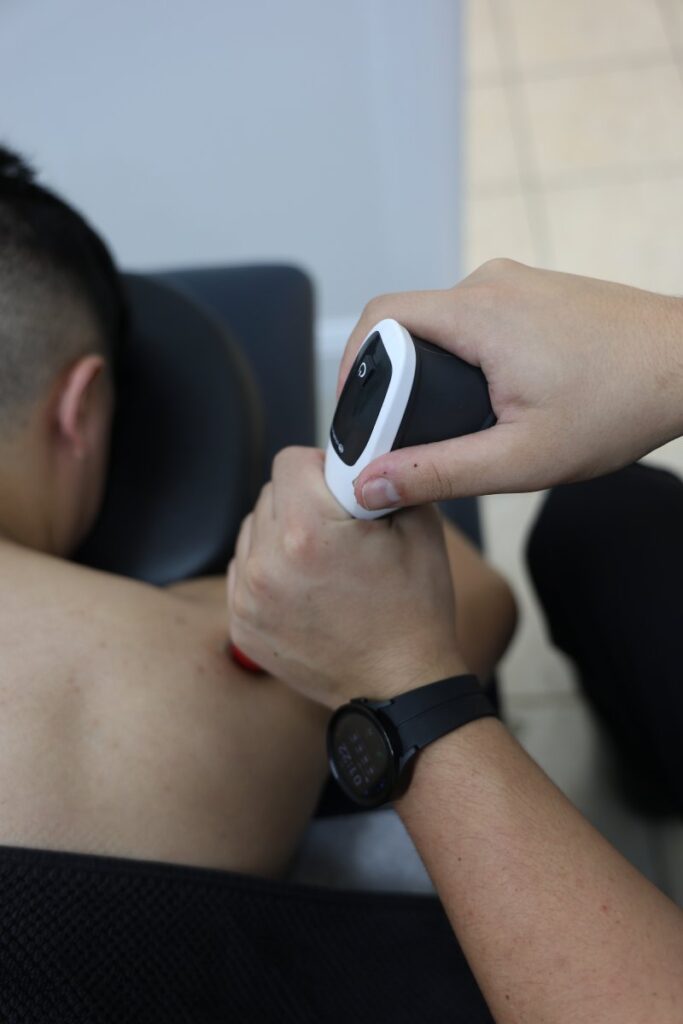
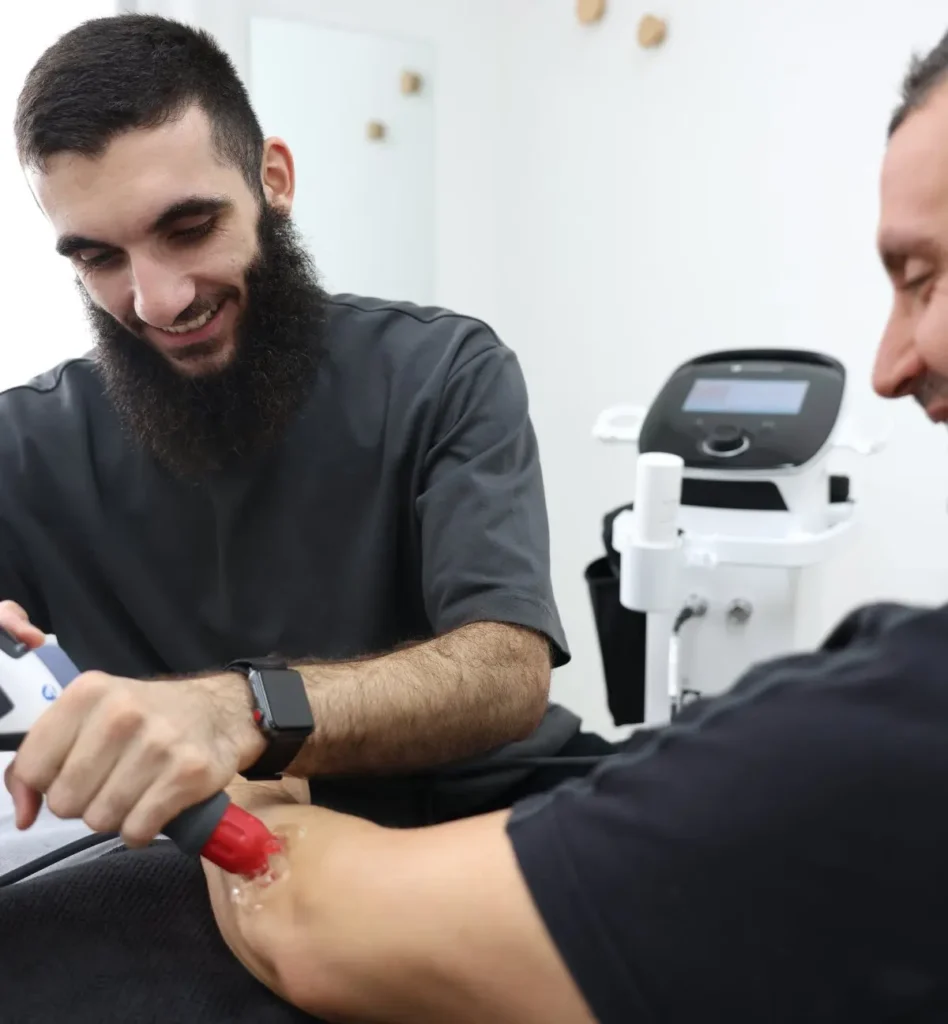
Shockwave therapy is a non-invasive treatment that delivers controlled acoustic waves into injured tissue. In the case of shockwave therapy for tennis elbow, these sound waves stimulate biological processes within the affected tendon.
The goal is to:
- Improve local blood flow
- Stimulate tissue regeneration
- Encourage tendon remodelling
- Reduce pain sensitivity
At Masnad Health Clinic, shockwave therapy is delivered by trained clinicians as part of a structured treatment plan. The procedure typically takes only a few minutes per session and does not require injections or surgery.
Research suggests that shockwave therapy may be particularly helpful for chronic tendon conditions that have not responded to exercise alone. It is not a quick fix, but it can act as a catalyst for healing when combined with appropriate rehabilitation.
How Elbow Pain Affects Everyday Health
Elbow pain can interfere with daily life more than many people expect.
Simple tasks such as:
- Pouring a kettle
- Carrying shopping bags
- Opening jars
- Shaking hands
- Lifting children can become uncomfortable.
For tradespeople, gym-goers, office workers, and athletes, tendon pain can reduce productivity and confidence. Some people begin avoiding activities altogether, which may lead to further weakness and frustration.
Addressing tendon health early can prevent a short-term issue from becoming a long-standing limitation.
How Shockwave Therapy Can Help
Shockwave therapy is rarely used in isolation. At Masnad Health Clinic, it is integrated within our treatment plan that is guided by a thorough clinical assessment.
Treatment plans for tennis elbow may include:
- Load modification advice
- Progressive strengthening exercises
- Grip retraining
- Manual therapy
- Shockwave therapy sessions
- Education about tendon recovery timelines
The role of shockwave therapy is to stimulate the tendon so that rehabilitation exercises become more effective. Tendons require progressive loading to regain strength, and shockwave can enhance the body’s natural repair response.
It is suitable for many people with persistent tendon pain, particularly when symptoms have lasted longer than three months.
Long-Term Benefits of Addressing Tendon Health
Tendon recovery takes time. Unlike muscle injuries, tendons respond slowly to change. However, with structured care, people often experience meaningful improvements.
Potential long-term benefits include:
- Improved grip strength
- Reduced pain with activity
- Greater confidence in daily tasks
- Reduced recurrence risk
- Enhanced overall upper limb function
Shockwave therapy can be a valuable adjunct for chronic cases, but sustainable outcomes depend on consistent rehabilitation and gradual return to load.
Building tendon resilience is not about avoiding activity forever. It is about reintroducing load in a controlled and progressive way.
When to Seek Professional Support
You may benefit from professional guidance if:
- Elbow pain has lasted more than six weeks
- Symptoms are worsening
- Grip strength feels significantly reduced
- Pain interferes with work or sport
- Self-management strategies are not improving symptoms
Early assessment can clarify whether your elbow pain is likely tendon-related and whether treatments such as shockwave therapy are appropriate.
FAQs
Most people describe it as uncomfortable rather than painful. The intensity can be adjusted based on tolerance, and sessions are typically brief.
This varies depending on the duration and severity of symptoms. Many treatment plans involve a short series of sessions combined with structured exercise.
In most cases, yes. However, some temporary load modification may be recommended to allow the tendon to recover more effectively.
No. Many cases are related to repetitive work tasks, lifting, or prolonged gripping activities rather than sport.
No. Exercise remains central to tendon rehabilitation. Shockwave therapy is designed to complement, not replace, progressive strengthening.
Conclusion
Persistent elbow pain can impact daily life in subtle but significant ways. Shockwave therapy for tennis elbow offers a non-invasive, evidence-informed option for individuals who have not responded fully to rest or basic care.
When combined with structured rehabilitation and a multidisciplinary approach, shockwave therapy may support tendon recovery and help you return to the activities that matter most.
If you are experiencing ongoing elbow pain, our team at Masnad Health Clinic in Bankstown and Lakemba is here to help. You can book online or request a courtesy call to discuss whether shockwave therapy is appropriate for your situation.