

Fatigue, Stress & Anxiety: Why You Feel Constantly Drained
Feeling exhausted has become so common that many people believe it’s simply…

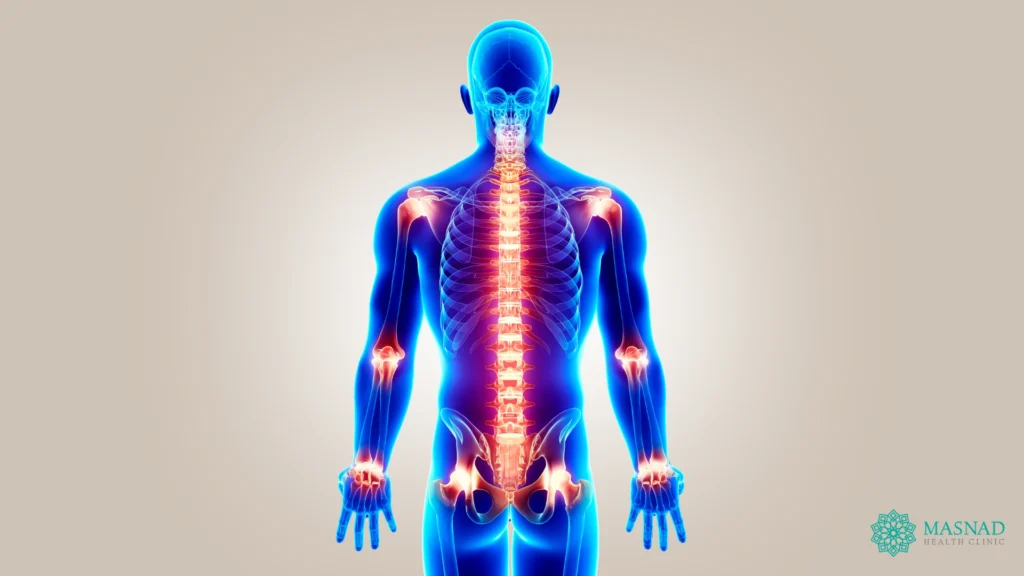
Joint replacement surgery is often described as one of the most significant advances in modern healthcare. For many people living with severe joint pain and limited mobility, it can offer the chance to move more freely and return to daily activities with less discomfort.
However, deciding whether or not to have a joint replacement is rarely straightforward. It is a personal decision that depends on many factors, including pain levels, function, lifestyle, overall health, and response to conservative care. Understanding what joint replacement surgery can and cannot offer is an important step before moving toward a surgical consultation.
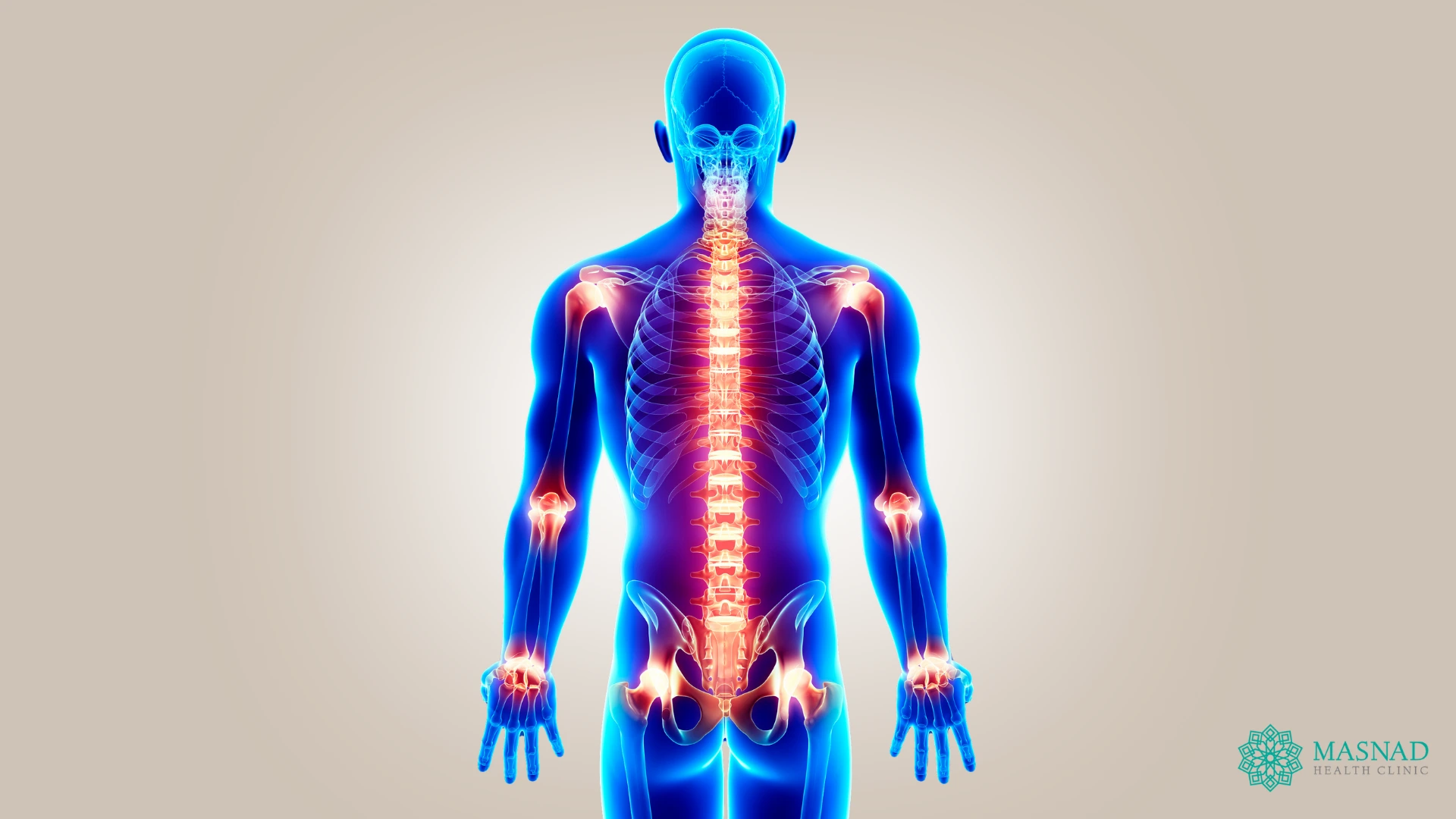
Joint replacement surgery involves removing damaged parts of a joint and replacing them with artificial components designed to restore movement and reduce pain. The most common procedures involve the hip and knee, particularly in people with arthritis-related joint changes.
Over recent decades, advances in surgical techniques, implant design, and rehabilitation have significantly improved outcomes. As a result, many people experience meaningful improvements in pain and function after surgery. That said, surgery is not always the first or only option.
Hearing the word “arthritis” can be confronting. Many people assume that once arthritis is present, pain is permanent and surgery is inevitable. In reality, arthritis is only one part of a much bigger picture.
Pain is complex and rarely caused by a single factor. While joint degeneration becomes more common with age, many people have visible arthritic changes on scans without experiencing significant pain or limitation. Conversely, some people with minimal structural change can experience high levels of discomfort.
Before considering surgery, it is often worth exploring non-surgical options such as:
For many individuals, these approaches can significantly improve symptoms and delay or even remove the need for surgery.
Joint replacement is usually considered when pain and stiffness begin to significantly interfere with daily life. This may include:
The decision is not based on pain alone. Function, quality of life, and personal goals all play an important role.
If joint replacement surgery becomes a likely option, physical preparation is essential. Research consistently shows that people who are stronger and fitter before surgery tend to recover more effectively afterwards.
Pre-surgical rehabilitation may help by:
Timing also matters. Waiting until pain becomes unbearable can lead to reduced strength, decreased activity levels, and added stress on other joints. In some cases, earlier intervention allows for better overall outcomes.
While joint replacement surgery has high success rates, no surgery is without risk. It is important to understand both the potential benefits and the limitations.
Possible considerations include:
Most people improve after joint replacement, but recovery is a process rather than an instant fix. Having realistic expectations and a clear rehabilitation plan can make a significant difference to long-term outcomes.
For many people, conservative management remains an effective option, even when arthritis is present. Physiotherapy can help by addressing contributing factors such as muscle weakness, joint stiffness, poor movement patterns, and nervous system sensitivity.
A trial of non-surgical care is often recommended before surgery to:
Even if surgery is ultimately chosen, this preparation can improve post-operative recovery.
Deciding whether to have a joint replacement is highly individual. There is no universal right or wrong answer. The best decision is one that is informed, supported, and aligned with your personal goals and lifestyle.
Open discussions with qualified health professionals can help you understand:
Joint replacement surgery can be life-changing for some people, but it is not always the first step. Exploring conservative care, building strength, and understanding your options can help you make a confident and informed decision.
If you are unsure whether joint replacement is right for you, consider speaking with a qualified physiotherapist who can assess your movement, discuss non-surgical options, and guide you through the decision-making process based on your individual needs.
Call now to book your physiotherapy appointment: (02) 9793 8840
Masnad Health Clinic focuses on helping people make informed decisions about their health through personalised, evidence-based care. Rather than taking a one-size-fits-all approach, the team looks at how movement, strength, lifestyle, and pain sensitivity all interact to influence joint health and recovery.
With a multidisciplinary team working together, care is tailored to support both non-surgical management and pre- or post-surgical rehabilitation when needed. Emphasis is placed on education, guided exercise, and practical strategies that help you move with confidence and manage symptoms effectively over the long term.
The approach is collaborative, supportive, and centred on helping you understand your options so you can choose the path that best suits your needs and goals.
No. Many people manage symptoms effectively with non-surgical care.
Yes. Improving strength and movement can reduce pain and improve function.
In most cases, yes. Conservative care is often recommended first.
Yes. Better strength and fitness before surgery often lead to smoother recovery.
Recovery varies, but improvement typically continues over several months.
Many people live with pain, stiffness, or movement restrictions for weeks, months, or even years before seeking professional help.
Many people live with pain, stiffness, or movement restrictions for weeks, months, or even years before seeking professional help.

Are you in pain? Not sure if we can help you?
Book your initial appointment and receive 10% off any service!