

Fatigue, Stress & Anxiety: Why You Feel Constantly Drained
Feeling exhausted has become so common that many people believe it’s simply…

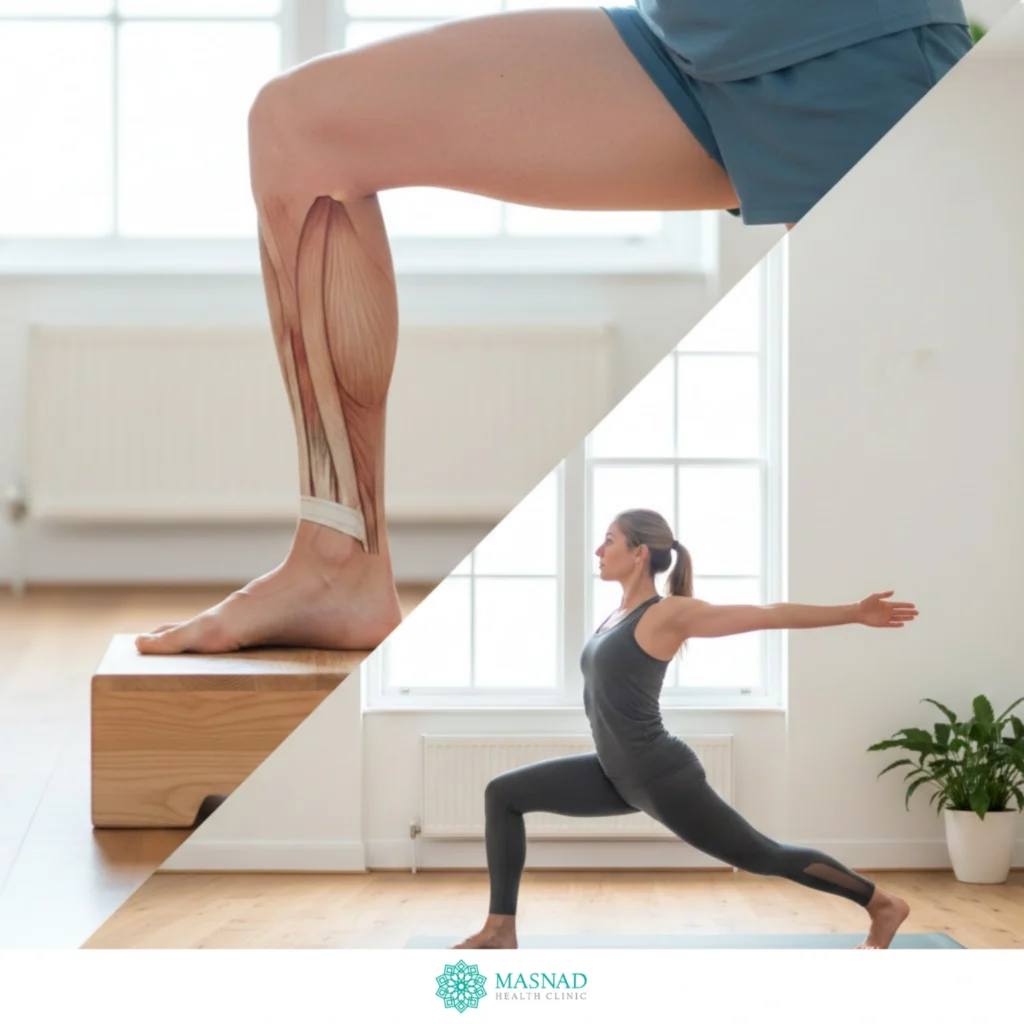
Flexibility is often associated with stretching. Many of us have been told to warm up and stretch before exercise to prevent injury, and there’s no doubt that stretching feels good and helps improve range of motion. However, recent research and physiotherapy practice suggest that sometimes, the key to improving flexibility is not just stretching-it’s strengthening your muscles.
Muscles are responsible for movement by contracting and shortening to bring their attachments closer together or relaxing to allow attachments to move apart. Stronger, well-coordinated muscles move the body more efficiently, maintain control, and respond better to resistance.
Muscles also play a critical role in stabilising joints, especially around flexible areas such as the hips, shoulders, and spine. When muscles are weak, they may tighten to provide the stability the body needs to maintain posture and protect joints. This tightening can reduce movement, decrease blood flow, and limit flexibility.
By strengthening these muscles, you provide them with the stability they need without having to tighten, allowing them to move more freely and improving overall flexibility.
It may seem counterintuitive that strengthening can improve flexibility. Many people experience temporary soreness or stiffness after a strength workout, which can give the impression that muscles are “shortening.”
In reality, this discomfort is usually temporary, resolving within 48 hours as muscles adapt and recover. Over time, consistent strength training enhances muscle coordination, control, and the ability to move through a full range safely.
Not all strengthening exercises are equal when it comes to flexibility. One type, called eccentric training, or “controlled lengthening,” actually works to physically elongate muscles while strengthening them.
Benefits of eccentric exercises include:
Common examples include slow, controlled lowering of weights during a bicep curl, calf lowering on a step, or slow lunges with an emphasis on the lowering phase.
Strengthening does not replace stretching-it complements it. The best approach is a combination of:
This combination improves muscle function, prevents injury, and promotes long-term flexibility.
A physiotherapist can assess your muscles for weakness, tightness, and reduced range of motion. From there, they can design a targeted program incorporating:
With guidance, you can strengthen muscles while safely increasing their length, improving flexibility, and supporting joint health.
Call now to book your physiotherapy appointment: (02) 9793 8840
Yes. Strong, well-coordinated muscles can move more freely and allow greater range of motion.
Eccentric training involves controlled lengthening of muscles, which can increase flexibility and improve tendon health.
No. Stretching complements strength training. Combining both improves flexibility, stability, and injury prevention.
Temporary soreness is normal and usually resolves within 48 hours. It does not indicate permanent shortening of muscles.
Yes. A physiotherapist can assess muscle weakness, design targeted strengthening and stretching programs, and help prevent injuries.
Many people live with pain, stiffness, or movement restrictions for weeks, months, or even years before seeking professional help.
Many people live with pain, stiffness, or movement restrictions for weeks, months, or even years before seeking professional help.
Are you in pain? Not sure if we can help you?
Book your initial appointment and receive 10% off any service!