
Fatigue, Stress & Anxiety: Why You Feel Constantly Drained
Feeling exhausted has become so common that many people believe it’s simply…

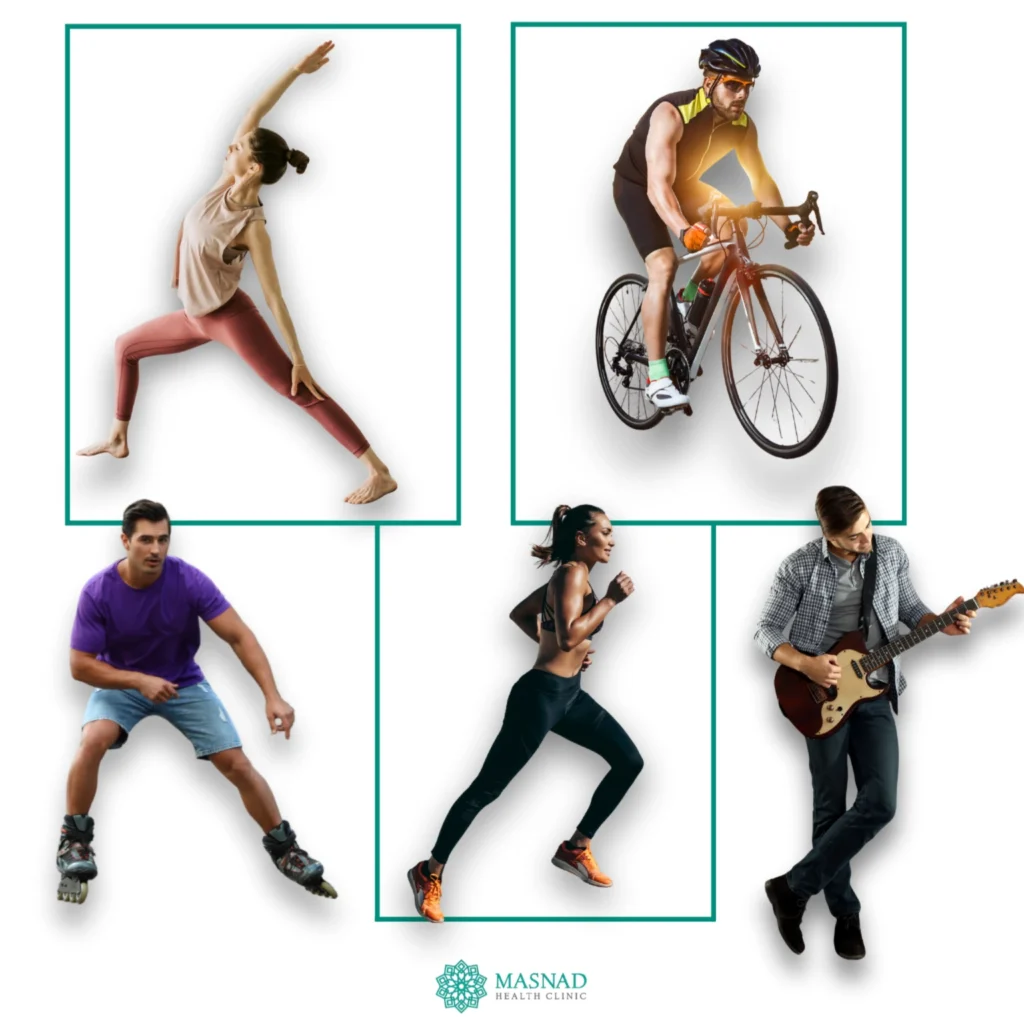
When people think about improving their health, the first ideas that come to mind are usually going to the gym or starting a strict fitness routine. While physical exercise is undeniably beneficial, research consistently shows that enjoyment plays a crucial role in long-term commitment. If you dislike the activity, motivation fades quickly – no matter how good it is for you.
What often gets overlooked is that learning a new skill can transform your life in multiple ways at once – physically, mentally, emotionally, and socially.
We all have different preferences and natural abilities. Some people thrive on endurance challenges, while others are energized by creativity, rhythm, balance, or problem-solving. Learning a skill that aligns with your strengths doesn’t just feel easier – it feels rewarding.
Someone with strong coordination may enjoy dancing or sports, while others with good balance might excel at yoga, climbing, or skating. Choosing an activity that fits your routine and personality dramatically increases the chance that it becomes a lasting habit rather than a short-lived attempt.
Sometimes, the biggest barrier isn’t motivation – it’s imagination. Exercise doesn’t have to mean running laps. Activities like rock climbing, volleyball, hiking, yoga, pilates, skateboarding, paddleboarding, martial arts, or even rhythmic movement-based workouts can offer both physical movement and mental stimulation.
One of the most powerful – and least talked about – benefits of learning something new is its effect on the brain.
When you acquire a new skill, your brain increases the production of myelin, a protective layer around nerve fibers that helps signals travel faster and more efficiently. This process improves:
Learning also promotes neuroplasticity, the brain’s ability to rewire itself and adapt. This is essential not only for learning but also for maintaining long-term cognitive health and reducing the risk of age-related decline.
Contrary to the myth that learning becomes harder with age, the brain remains capable of change throughout life – especially when challenged with new experiences.
Every new skill comes with initial difficulty. That early discomfort is not a setback – it’s the foundation of growth.
Overcoming small challenges releases dopamine and endorphins, reinforcing motivation and boosting mood. As progress builds, so does confidence. You begin to trust your ability to learn, adapt, and persevere – not just in the activity, but in life.
Learning encourages a growth mindset, where mistakes are seen as part of progress rather than failure. Celebrating small wins – improved balance, better coordination, longer endurance – keeps motivation high and builds emotional resilience.
Learning diverse skills strengthens creative thinking by helping your brain connect ideas in new ways. Exposure to different movements, techniques, or strategies enhances:
These abilities extend far beyond exercise. They influence how you handle work challenges, personal changes, and unexpected situations.
In a fast-changing world, adaptability isn’t optional – it’s essential.
Many skills naturally bring people together. Group classes, clubs, training sessions, or shared practice environments create opportunities for meaningful social interaction.
Even activities often seen as “solo” have strong communities. Shared experiences build friendships, reduce loneliness, and provide emotional support. As people move beyond school or university, these organic social connections become increasingly valuable for mental well-being.
Communities formed around shared skills are often welcoming and supportive — especially toward beginners.
Learning something new isn’t just productive – it’s deeply fulfilling.
Skill development stimulates neurotransmitters like serotonin and dopamine, which:
It also provides a sense of purpose and achievement. Instead of routine repetition, learning introduces curiosity and progress into daily life – two key ingredients for long-term happiness.
Continuous learning plays a vital role in maintaining brain vitality. Regular mental and physical challenges help preserve brain volume, strengthen memory-related regions, and delay cognitive decline.
Studies show that lifelong learning and skill acquisition are linked to a lower risk of conditions such as dementia and Alzheimer’s disease. Keeping the brain active isn’t about doing one thing well – it’s about continuously learning new things.
Learning a new skill is far more than a hobby. It’s a powerful investment in your brain, confidence, creativity, and overall quality of life.
Whether it’s a physical activity, creative pursuit, or mental challenge, the right skill can energize your body, sharpen your mind, and connect you with new people – all while supporting long-term health and resilience.
Your physiotherapist or health professional can also guide you toward activities that suit your abilities and help you stay injury-free as you begin your learning journey.
Sometimes, the best way to move forward in life isn’t by pushing harder – it’s by learning something new.
Start your journey to better movement and well-being today.
Call now to book your physiotherapy appointment: (02) 9793 8840
Masnad Health Care provides personalised, evidence-based treatment focused on long-term recovery, pain relief, and better movement. Our experienced professionals create tailored care plans in a friendly, supportive environment to help you return to an active, confident life.
No, you can book directly without a referral.
Yes, care is customised for all age groups.
It depends on your condition and recovery goals.
Treatments are designed to reduce pain, not cause it.
Many people live with pain, stiffness, or movement restrictions for weeks, months, or even years before seeking professional help.
Many people live with pain, stiffness, or movement restrictions for weeks, months, or even years before seeking professional help.
Are you in pain? Not sure if we can help you?
Book your initial appointment and receive 10% off any service!