

Fatigue, Stress & Anxiety: Why You Feel Constantly Drained
Feeling exhausted has become so common that many people believe it’s simply…

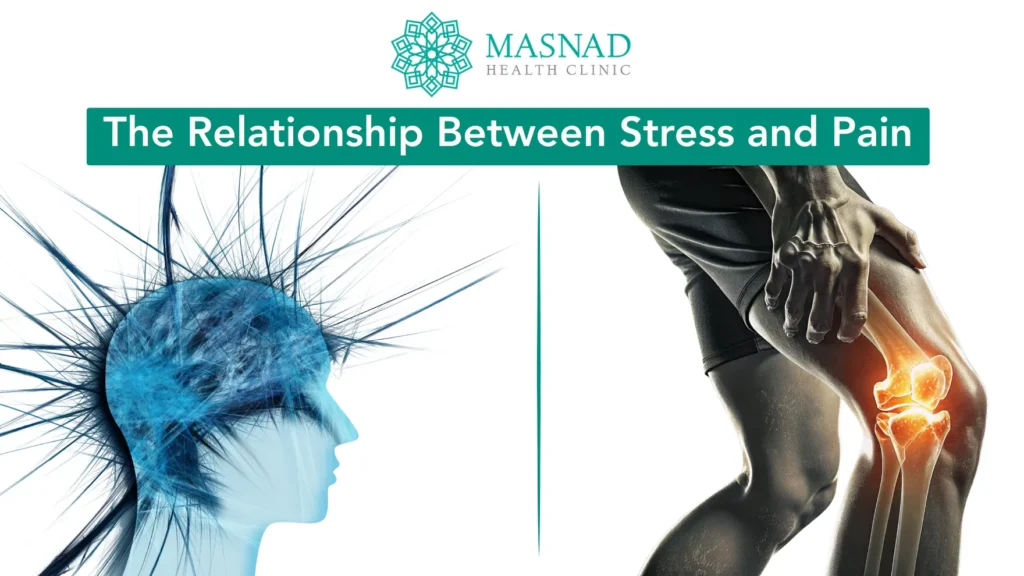
Many people living with pain worry that others may think their symptoms are “all in their head.” This concern is especially common when pain has no clear cause or has lasted for a long time. It’s important to understand that pain is always real, and stress can play a powerful role in how pain is experienced – without making it imaginary.
Pain is not a direct measure of injury or damage. Instead, it is a protective alarm system created by the nervous system to warn the body of potential danger. While tissue injury can cause pain, the intensity of pain doesn’t always match the level of physical damage.
This means pain can be influenced by many factors, including emotions, past experiences, environment, and stress levels.
Your nervous system constantly processes information from your body and environment to decide what is safe and what might be a threat. When stress levels are high, the nervous system becomes more alert – sometimes over-protective.
In this heightened state, pain signals can be amplified.
Stress may worsen pain when:
In these situations, the brain may interpret pain as a greater threat, even if tissue healing is progressing normally.
Stress doesn’t just increase pain – pain can also increase stress.
Ongoing discomfort may:
This can trap people in a stress-pain cycle, where pain leads to stress, and stress further sensitises pain.
Breaking this cycle is a key part of effective long-term recovery.
Managing pain isn’t only about treating tissues – it’s also about calming the nervous system.
Alongside hands-on treatment and exercise, physiotherapy may include:
Your physiotherapist can help you understand what your pain means, reduce fear around movement, and build strategies that support both physical and mental recovery.
Pain is real, valid, and complex. Stress doesn’t mean your pain is imagined — it means your nervous system is working overtime to protect you.
With the right guidance, education, and treatment approach, it’s possible to reduce pain sensitivity, improve function, and regain confidence in your body.
If you’re dealing with ongoing pain or feel stress may be influencing your recovery, speak to your physiotherapist about strategies tailored to you.
Call now to book your physiotherapy appointment: (02) 9793 8840
At Masnad Health Clinic, we understand that pain is more than just a physical issue – it affects your daily life, mental wellbeing, and confidence. Our approach focuses on treating the whole person, not just the symptoms.
Why patients trust Masnad:
Our team works collaboratively to help you move better, feel stronger, and regain control of your health.
Yes. Stress can sensitise the nervous system, making pain feel more intense even when tissue damage is minimal or healing.
No. Pain is always real. Stress influences how pain signals are processed, not whether they exist.
Absolutely. Physiotherapy addresses movement, nervous system sensitivity, and education to help reduce pain and improve confidence.
No referral is required. You can book directly with our team.
Recovery varies depending on the condition, stress levels, and lifestyle factors. Your physiotherapist will guide you with a personalised plan.
Many people live with pain, stiffness, or movement restrictions for weeks, months, or even years before seeking professional help.
Many people live with pain, stiffness, or movement restrictions for weeks, months, or even years before seeking professional help.

Are you in pain? Not sure if we can help you?
Book your initial appointment and receive 10% off any service!