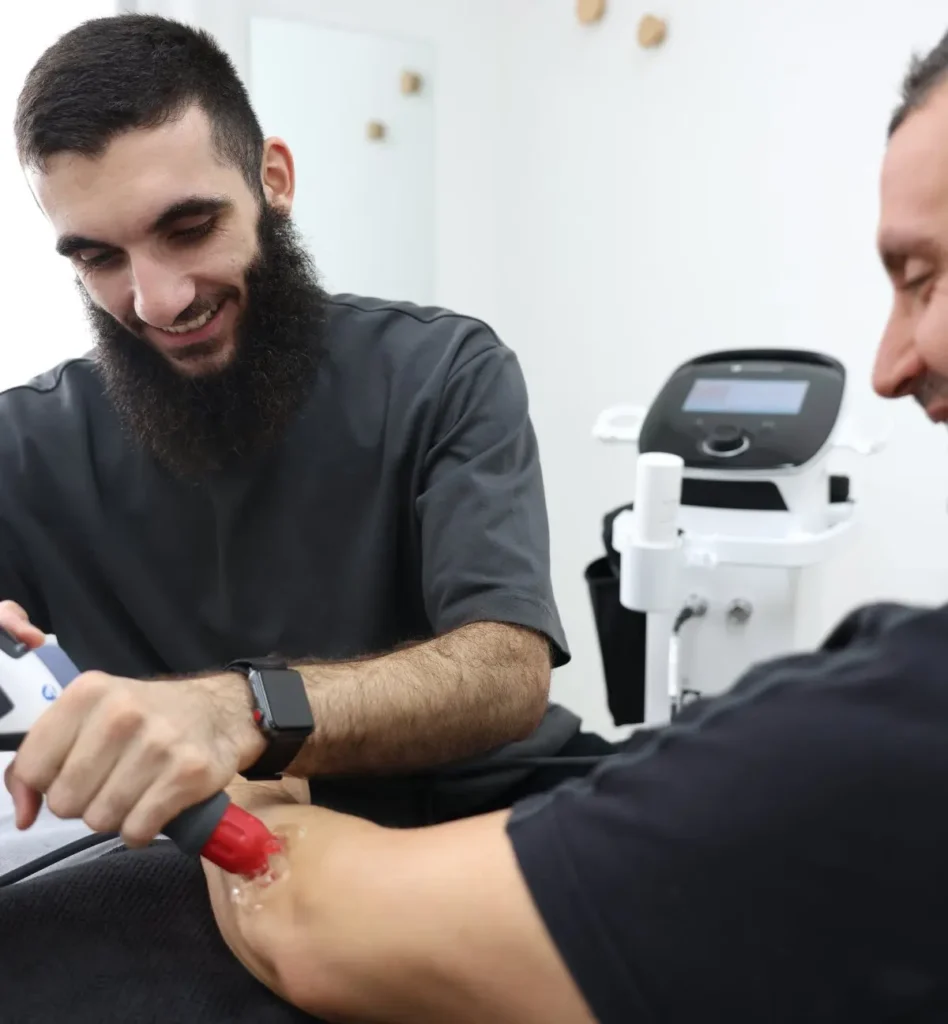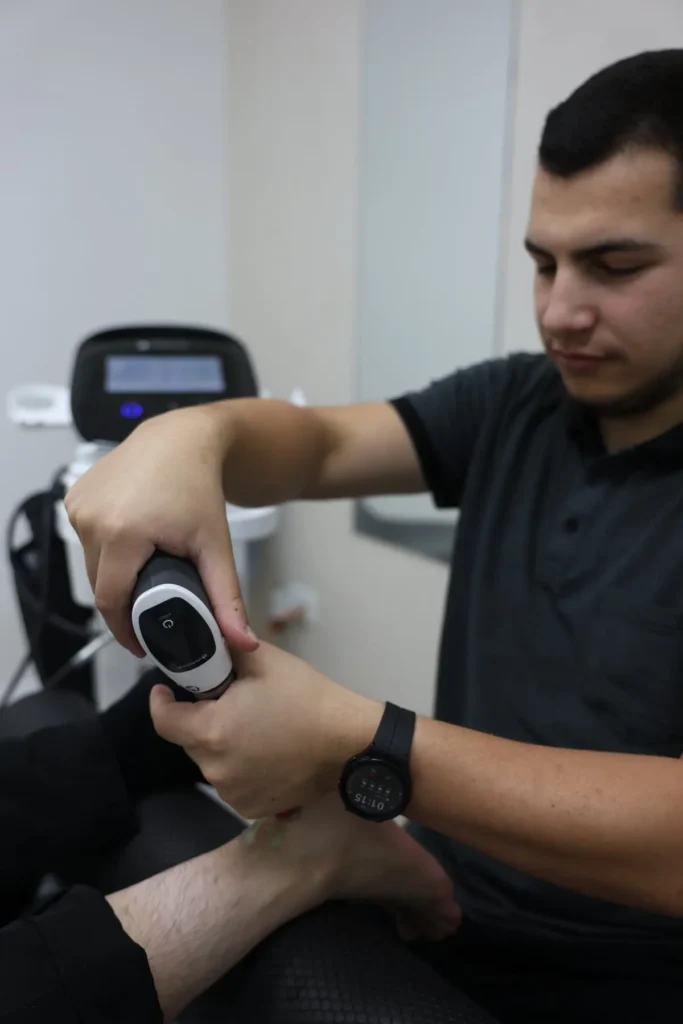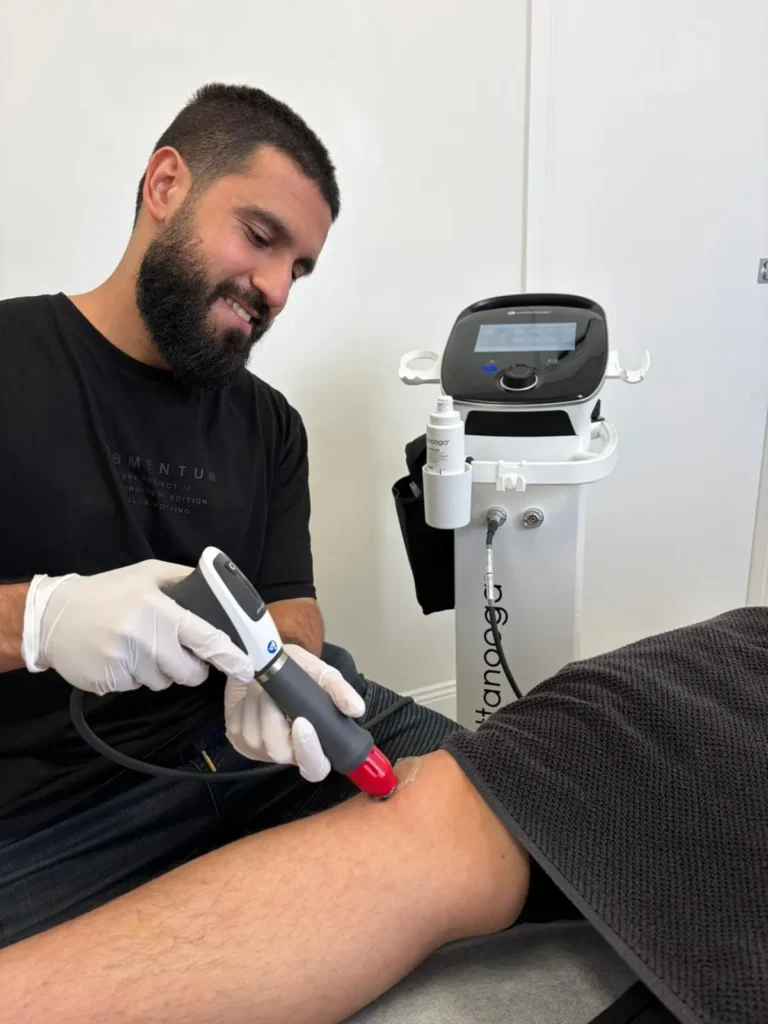

Many people think of physiotherapy only when pain or injury strikes. In reality, seeing a physiotherapist early-before problems become severe can help you stay active, mobile and pain-free for longer. Your body often gives subtle warning signs when something isn’t quite right. Learning to recognise these signs can help you address issues early and avoid future injury.
Here are three telltale signs it may be time to Book an appointment with your physiotherapist.
1. Ongoing Stiffness and Loss of Flexibility
Feeling stiff after a hard workout or a long day is normal. This short-term soreness, often called DOMS (delayed onset muscle soreness), usually settles within a day or two. But if stiffness lingers, returns daily, or feels like a constant part of your routine, it shouldn’t be ignored.
Stiffness often develops when joints and muscles aren’t regularly moved through their full range. Muscles may feel tight, springy or restricted, while joints can feel “blocked” or hard at the end of movement. Because the body adapts well, you may not even notice the gradual loss of mobility, you simply move differently to compensate.
A physiotherapist can identify areas of reduced movement, determine whether the issue is muscular, joint-related or linked to conditions such as osteoarthritis or rheumatoid arthritis, and guide you with targeted exercises, stretching and joint mobilisation to restore healthy movement.
2. Reduced Strength or Persistent Weakness
Weakness doesn’t always feel dramatic. It can show up as fatigue during everyday tasks, reduced confidence with lifting, or one side of your body feeling noticeably weaker than the other.
This can occur due to inactivity, past injuries, ligament damage, neurological changes or poor movement patterns. Even small strength deficits can place extra stress on joints and surrounding tissues, increasing your risk of pain and injury over time.
Physiotherapists are trained to pinpoint the underlying cause of weakness and design specific strengthening programs to rebuild strength safely and efficiently – rather than relying on generic exercises that may miss the real problem.
3. Changes in Balance or Increased Trips and Near Falls
Balance is far more complex than simply “being steady on your feet.” It relies on a combination of vision, inner ear function (vestibular system), muscle strength, joint awareness and nervous system input.
If one of these systems starts to decline, the others may compensate for a while meaning you might not notice a problem until you begin tripping, feeling unsteady, or losing confidence with walking or daily activities.
While balance can decline with age, falls are not an inevitable part of ageing. Physiotherapy assessment can identify which systems are contributing to balance difficulties and provide targeted exercises to improve stability, confidence and safety.
Why Choose Masnad Health Care?
At Masnad Health Care, we focus on more than just treating symptoms. Our experienced physiotherapists take a personalised, evidence-based approach to help you move better, reduce pain, and prevent future injuries. We prioritise clear communication, tailored treatment plans, and long-term results so you can return to daily life with confidence.
Call now to book your physiotherapy appointment: (02) 9793 8840
FAQs
No, you can book directly with a physiotherapist without a referral.
If stiffness, weakness, or balance issues persist for more than a few weeks or affect daily activities, it’s best to seek assessment early.
Yes. Physiotherapy can identify movement issues, muscle imbalances, and mobility restrictions that increase injury risk and address them before pain develops.