

Fatigue, Stress & Anxiety: Why You Feel Constantly Drained
Feeling exhausted has become so common that many people believe it’s simply…

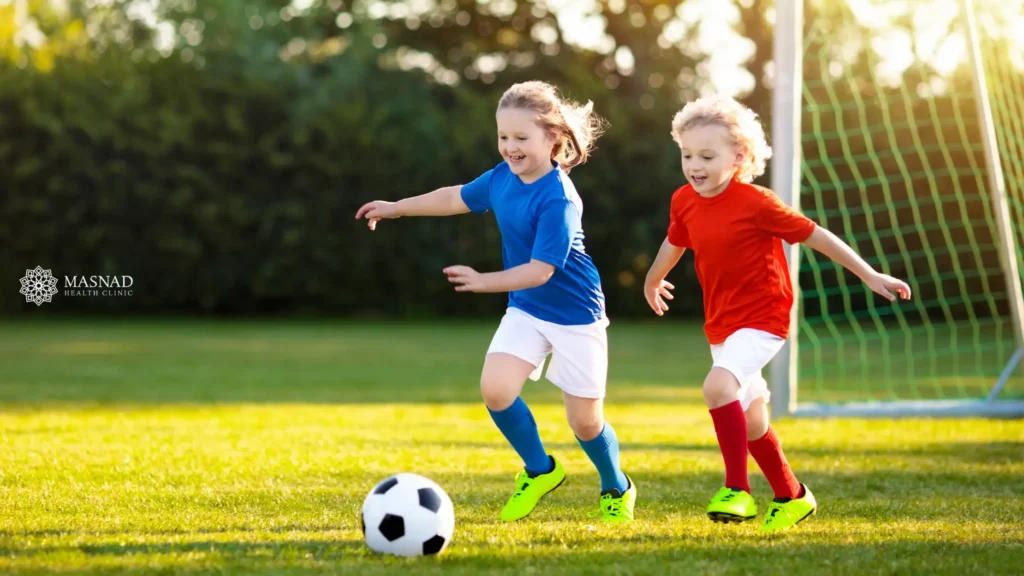
Many of the habits that shape our adult health begin in childhood. Regular physical activity plays a vital role in a child’s physical, mental, and emotional development. Movement and weight-bearing activities help build strong bones, healthy muscles and tendons, improve coordination, and support confidence and wellbeing.
With modern lifestyles becoming more sedentary, keeping kids active can take a little extra planning. Here are three practical and effective ways to help your child stay active and enjoy moving their body.
Not every child thrives in competitive, team-based sports – and that’s perfectly okay. Children who enjoy structure, competition, and teamwork may flourish in sports like football, netball, cricket, or basketball. These activities can build fitness, social skills, and self-esteem.
However, some children feel overwhelmed by competition or comparison. For these kids, individual or creative activities may be a better fit. Sports and movement options such as swimming, dancing, gymnastics, martial arts, yoga, cycling, or surfing allow children to focus on improving their own skills rather than competing against others.
The key is choice and enjoyment. When a child enjoys what they’re doing, they’re far more likely to stay active long term.
Children often appear to “bounce back” quickly from injuries, but they may struggle to explain pain or discomfort clearly. A lingering ache or injury can lead a child to lose interest in sport or physical activity altogether, often without realising pain is the underlying issue.
Untreated injuries can also cause children to develop fear around movement, making them hesitant to return to activity. Early assessment and appropriate rehabilitation can prevent small problems from becoming long-term issues.
A physiotherapist can:
Addressing injuries early helps children stay active, confident, and pain-free.
With fewer children walking or riding to school, finding opportunities for movement throughout the day is more important than ever. Activity doesn’t always need to be structured or time-consuming – small bursts of fun movement add up.
Some easy ideas include:
Turning movement into a game or family ritual makes it feel less like a chore and more like fun – just like brushing teeth or reading before bed.
Talk to your physiotherapist for personalised advice on how to safely increase your child’s activity levels. Choosing activities that suit your child’s age, ability, and interests is key to keeping them motivated, confident, and active long term.
The information in this article is for general guidance only and is not a substitute for professional medical advice. Always consult a qualified health professional for assessment and advice specific to your child’s individual needs or injury.
Call now to book your physiotherapy appointment: (02) 9793 8840
About 60 minutes of activity each day.
Non-competitive activities like dancing, swimming, or active play work just as well.
If your child has ongoing pain, injuries, or avoids activity.
Yes, by improving strength, balance, and movement.
Many people live with pain, stiffness, or movement restrictions for weeks, months, or even years before seeking professional help.
Many people live with pain, stiffness, or movement restrictions for weeks, months, or even years before seeking professional help.

Are you in pain? Not sure if we can help you?
Book your initial appointment and receive 10% off any service!