

Fatigue, Stress & Anxiety: Why You Feel Constantly Drained
Feeling exhausted has become so common that many people believe it’s simply…

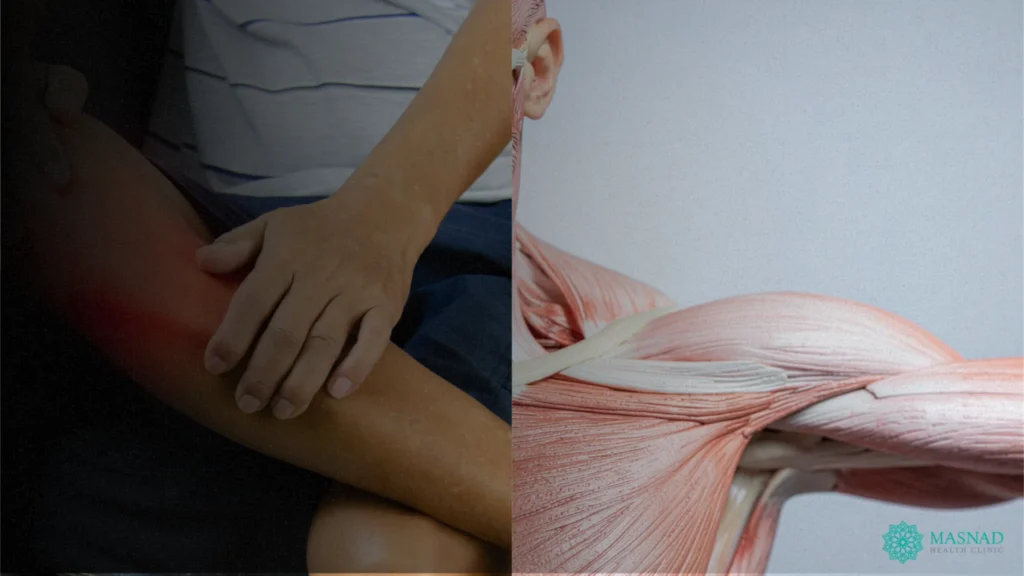
Tendons are the soft connective tissues that attach muscles to bones, playing a vital role in joint movement. While essential for mobility, tendons are notoriously slow to heal when injured. This is because they receive relatively little blood flow compared to muscles, which is crucial for tissue repair.
Tendon injuries are common in both athletes and everyday life, often resulting from overuse, repetitive stress, or sudden increases in load. Understanding how to manage these injuries correctly can help you recover safely and reduce the risk of recurrence.
Muscles and tendons work together as a contractile unit to move joints. As muscles get stronger through exercise, tendons are also placed under tension and adapt to handle the load.
Problems occur when the stress on the tendon exceeds its capacity. This can lead to:
Common areas for tendon injuries include the elbow (tennis elbow), knee (patella tendinopathy), shoulder (rotator cuff), and Achilles tendon.
While a physiotherapist assessment is needed for an accurate diagnosis, some common signs include:
Recognising these symptoms early can help prevent further damage and speed up recovery.
Tendon injuries are treated differently from muscle injuries. While treatment is individualised, general approaches often include:
Once your tendon has healed, it’s important to prevent future injuries:
At Masnad Health Clinic, our physiotherapists specialise in managing tendon injuries safely and effectively. We provide:
With clinics in Bankstown and Lakemba, our multidisciplinary team supports you through recovery and helps you regain strength and confidence.
Book an appointment today with Masnad Health Clinic in Bankstown or Lakemba to start safe, effective tendon injury recovery.
Healing varies depending on the tendon and severity, but most respond well to guided physiotherapy over 6-12 weeks.
Complete rest can delay healing. Adjusting activity and following a physiotherapist’s plan is safer.
Only if done incorrectly or too early. Guided, gradual exercise actually helps tendon recovery.
Yes. Strengthening muscles, correcting technique, and addressing biomechanical faults reduces the risk of recurrence.
Many people live with pain, stiffness, or movement restrictions for weeks, months, or even years before seeking professional help.
Many people live with pain, stiffness, or movement restrictions for weeks, months, or even years before seeking professional help.
Are you in pain? Not sure if we can help you?
Book your initial appointment and receive 10% off any service!