

Fatigue, Stress & Anxiety: Why You Feel Constantly Drained
Feeling exhausted has become so common that many people believe it’s simply…

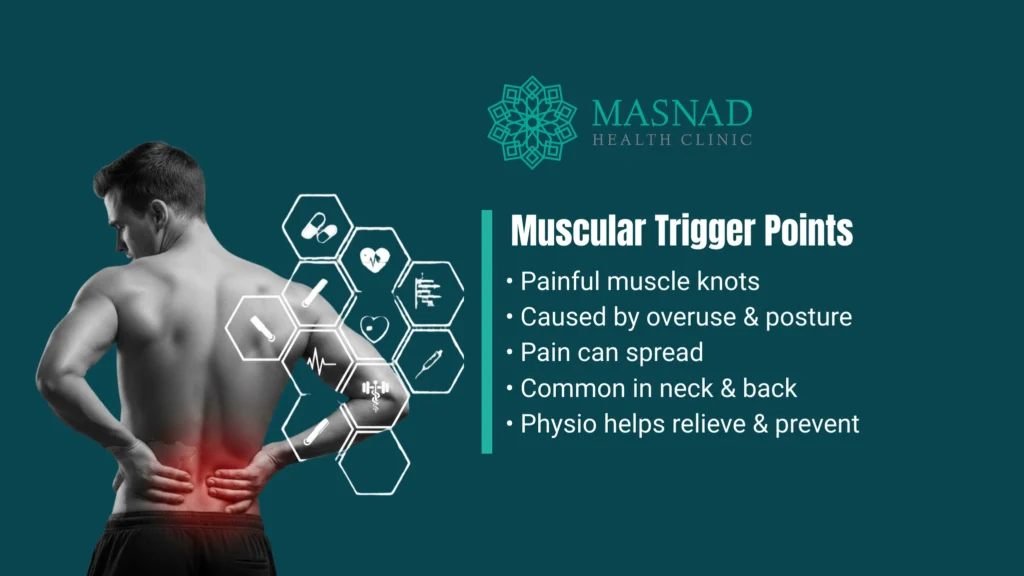
Muscular trigger points – often referred to as muscle knots-are a very common source of ongoing muscle pain and stiffness. They can develop quietly over time or appear suddenly after activity, stress, or injury. Understanding what trigger points are and how they form can help you manage pain more effectively and prevent it from returning.
Trigger points are tight, sensitive areas within a muscle that feel like small, firm lumps. They are often painful when pressed and can cause pain to be felt in other areas of the body, known as referred pain.
It’s believed that trigger points form when a section of muscle fibres contracts abnormally. This tight contraction can reduce blood flow to the area, leading to increased sensitivity, discomfort, and reduced muscle function. Trigger points commonly affect the neck, shoulders, lower back, hips, and calves.
Understanding the causes of trigger points is essential for both treatment and prevention. These problematic areas rarely develop from a single cause but rather from a combination of contributing factors.
Muscular overload is considered the primary cause of trigger point formation. This occurs when the demands placed on a muscle exceed its capacity to function optimally. The muscle fibres become fatigued and unable to relax properly, creating sustained areas of contraction. This is particularly common when starting new exercise programs, increasing training intensity too quickly, or performing repetitive movements without adequate recovery.
Repetitive stress and overuse gradually wear down muscle tissues, making them more susceptible to trigger point development. Activities that require repeated movements-whether occupational tasks, sports techniques, or daily habits-can create cumulative microtrauma in muscle fibres.
Acute injuries such as strains, impacts, or sudden overexertion can immediately trigger the formation of these painful points. The body’s protective response to injury sometimes creates sustained muscle contraction that persists long after the initial injury has healed.
Beyond direct muscular causes, several other factors can contribute to trigger point formation:
Poor posture maintained over long periods creates sustained tension in certain muscle groups. Muscles that constantly work to maintain suboptimal positions become fatigued and develop trigger points as a protective mechanism.
Stress and tension cause unconscious muscle guarding and increased baseline muscle tone. Many people hold stress in their shoulders, jaw, or neck, creating ideal conditions for trigger points to form.
Nutritional deficiencies, particularly inadequate vitamins B1, B6, B12, vitamin C, folic acid, calcium, iron, and potassium, can impair normal muscle function and increase susceptibility to trigger point development.
Inflammation from various sources can sensitise muscle tissues and lower the threshold for trigger point formation.
Dehydration and inadequate rest prevent muscles from recovering properly between activities, making them more vulnerable to developing painful points.
Pain from trigger points can be misleading, as it’s often felt away from the source. Symptoms may include:
Because trigger points can shorten muscle tissue, they may worsen conditions such as arthritis, tennis elbow, tendinopathies, and bursitis if left untreated.
Preventing trigger points is far easier than treating established ones. Consider these evidence-based strategies:
Maintain good posture during all activities, particularly those performed frequently or for extended periods. Regular posture checks and ergonomic workplace setup can significantly reduce trigger point risk.
Practice regular stretching to maintain muscle flexibility and length. Focus particularly on areas prone to tightness based on your activities and posture.
Progress gradually when starting new exercise programs or increasing training intensity. Give muscles time to adapt to new demands.
Stay hydrated to support optimal muscle function and waste product removal.
Manage stress effectively through relaxation techniques, adequate sleep, and stress-reduction practices.
Address muscle imbalances through targeted strengthening of weak areas identified during professional assessment.
Take movement breaks during prolonged static positions to prevent sustained muscle contraction.
Ensure adequate nutrition with particular attention to vitamins and minerals essential for muscle function.
A physiotherapist can assess whether trigger points are contributing to your pain and identify any underlying causes. Treatment may include a combination of:
While hands-on treatments can relieve symptoms, long-term improvement depends on addressing contributing factors such as muscle imbalances, movement patterns, posture, and training load.
Muscular trigger points are common, but they don’t have to be a long-term problem. With proper assessment, targeted treatment, and a tailored exercise program, pain can be reduced and future flare-ups prevented.
At Masnad Health Clinic, our experienced physiotherapists can assess muscular trigger points, identify contributing factors, and create a personalised treatment plan to help you move and feel better.
Call now to book your physiotherapy appointment: (02) 9793 8840
Yes. Trigger points are commonly referred to as muscle knots and are tight, sensitive areas within a muscle.
Yes. Trigger points often refer pain to other areas, which can make them feel like joint or nerve pain.
Some may settle with rest, but many persist or return if the underlying cause isn’t addressed.
Dry needling can be effective for reducing pain and muscle tension when used as part of a broader treatment plan.
If muscle pain is ongoing, worsening, or affecting daily activities, a physiotherapy assessment is recommended.
Many people live with pain, stiffness, or movement restrictions for weeks, months, or even years before seeking professional help.
Many people live with pain, stiffness, or movement restrictions for weeks, months, or even years before seeking professional help.

Are you in pain? Not sure if we can help you?
Book your initial appointment and receive 10% off any service!