

Fatigue, Stress & Anxiety: Why You Feel Constantly Drained
Feeling exhausted has become so common that many people believe it’s simply…

Pain is one of the most complex and misunderstood processes in the human body. You may have experienced this if you ever saw a physiotherapist for discomfort in one area, only for them to focus on a different part of your body. This is because the source of pain is not always where it is felt. Understanding referred pain is essential for effective treatment and long-term recovery.
Pain is more than just a signal of injury. When tissues are damaged, a message travels to the brain, which interprets it as pain. In most cases, this is a protective mechanism, warning you to rest or avoid further harm.
However, the system is not perfect. Sometimes, pain is felt even when there is no actual tissue damage, or the brain misinterprets where the pain is coming from. This misdirection of pain is what physiotherapists call referred pain.
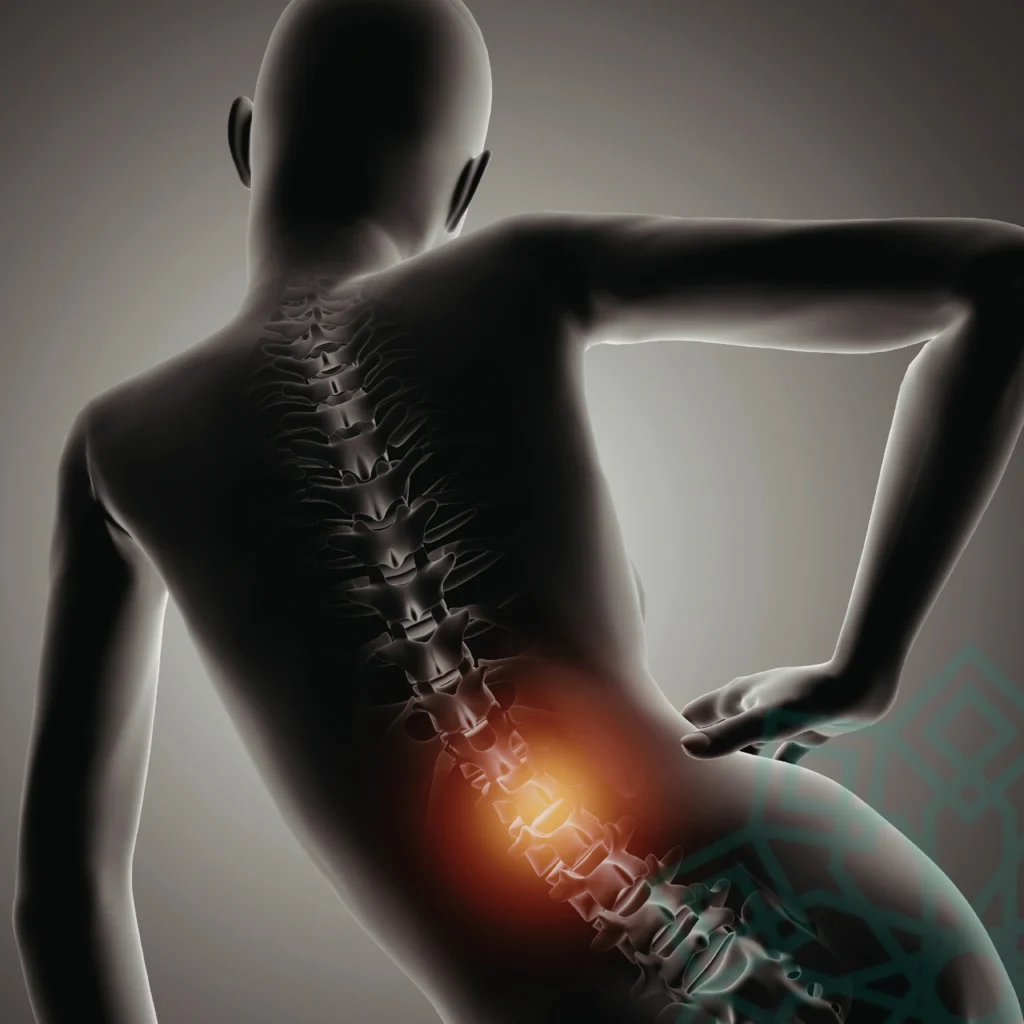
Referred pain occurs when the sensation of pain is felt in a different location from the actual source of the problem. It can affect muscles, nerves, and even internal organs. Understanding the type of referred pain is important for accurate diagnosis and effective treatment.
Nerve irritation often causes pain along the length of the nerve. This is commonly described as sharp, burning, or tingling sensations.
A classic example is sciatica, where the large nerve running from the lower back down the leg is irritated. While the source of the problem is near the spine, the pain travels down the leg in a predictable pattern.
Muscles can also create referred pain through trigger points – tight bands of muscle that form due to stress, overuse, or poor posture.
When pressure is applied to a trigger point, pain is reproduced in a distinct area away from the source. For example, tension in shoulder muscles can sometimes cause headaches or arm discomfort.
Even internal organs can refer pain to different areas. This type of pain is often described as deep, dull, or aching and is not influenced by limb or back movement.
For instance:
Understanding these patterns is crucial, as referred pain from organs can sometimes indicate serious conditions that require immediate medical attention.
Physiotherapists are trained to identify the source of referred pain through detailed assessment and physical examination. By understanding the type and pattern of pain, your therapist can:
In many cases, a multidisciplinary approach – combining physiotherapy with exercise physiology, chiropractic care, or cupping therapy – produces the best outcomes for pain management.
While professional guidance is essential, there are strategies that can support your recovery at home:
Remember, self-management complements professional treatment but is not a substitute for proper medical evaluation.
Referred pain can be confusing and sometimes frightening. Misinterpreting the source may lead to ineffective treatments or delayed medical care. By recognising referred pain patterns and seeking expert guidance, you can:
At Masnad Health Clinic, we provide personalised physiotherapy, chiropractic care, and exercise physiology to help you understand and manage pain effectively. Our multidisciplinary approach ensures that every aspect of your recovery is addressed, from assessment to tailored treatment programs.
Since 2012, we’ve supported clients in achieving lasting mobility and comfort, helping them return to daily activities safely and confidently.
If you’re experiencing confusing or persistent pain, our team at Masnad Health Clinic can help identify the source and develop an effective treatment plan.
We offer professional physiotherapy in Bankstown and Lakemba, Sydney, focusing on injury recovery, pain management, and long-term wellness.
Book online today or contact our friendly team to start your recovery journey.
It can be sharp, burning, dull, or aching, depending on whether it originates from nerves, muscles, or organs.
Yes, physiotherapy can target muscles, posture, and movement patterns to relieve pain and prevent recurrence.
Seek prompt medical attention if pain is severe, persistent, or associated with other symptoms such as fever, nausea, or numbness.
Yes, when performed correctly, exercises prescribed by your physiotherapist can reduce symptoms and improve function.
Many people live with pain, stiffness, or movement restrictions for weeks, months, or even years before seeking professional help.
Many people live with pain, stiffness, or movement restrictions for weeks, months, or even years before seeking professional help.

Are you in pain? Not sure if we can help you?
Book your initial appointment and receive 10% off any service!