

Fatigue, Stress & Anxiety: Why You Feel Constantly Drained
Feeling exhausted has become so common that many people believe it’s simply…

Joint and muscle stiffness is a common issue that can affect anyone, at any age, and in any part of the body. While it is often accompanied by pain, stiffness can also occur on its own, limiting movement and making everyday tasks more challenging. Understanding the causes of stiffness is key to maintaining mobility, preventing injury, and supporting long-term joint and muscle health.
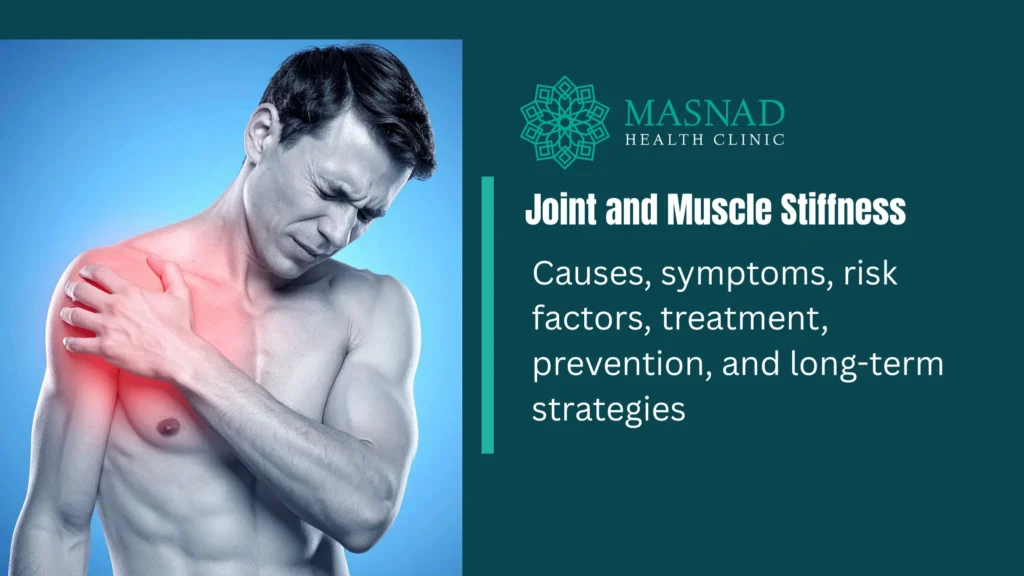
Stiffness can occur for several reasons, often reflecting underlying changes in muscles, joints, or connective tissues. While some stiffness is temporary, other types may indicate ongoing health conditions that benefit from professional assessment.
Muscle stiffness is sometimes a sign that certain muscles are not strong enough to provide stability. When muscles lack strength, the body compensates by tightening surrounding muscles, which can feel stiff and restrictive.
A physiotherapist can assess which muscles need targeted strengthening to improve mobility and reduce feelings of tightness.
After increased physical activity or exercise, muscles often feel stiff and sore. This is known as delayed onset muscle soreness and is a protective mechanism that helps the body recover.
DOMS usually lasts one to two days and is temporary. While uncomfortable, it generally does not indicate a serious problem. Physiotherapists can offer tips to prevent or manage DOMS through stretching, warm-ups, and progressive exercise programs.
Regular movement is essential for healthy joints. Joints need to move through their full range to maintain flexibility and promote blood flow.
Inactivity can cause:
Physiotherapists can help identify joints that are not moving efficiently and provide exercises to restore flexibility. Activities such as Pilates or guided stretching programs are particularly effective for maintaining joint mobility.
Osteoarthritis is a degenerative joint condition caused by uneven stress and load on joint surfaces. It leads to cartilage breakdown and the development of bony growths (osteophytes), which can make joints feel stiff or even “blocked.”
Typical signs of OA-related stiffness include:
Targeted physiotherapy programs that strengthen surrounding muscles can help absorb stress on joints and reduce stiffness associated with OA.
Inflammation can restrict joint movement and cause stiffness. This can occur after an acute injury, such as a sprain, or due to autoimmune conditions like rheumatoid arthritis or ankylosing spondylitis.
Key features of inflammatory stiffness include:
Management of inflammation may involve physiotherapy, guided exercise, and collaboration with medical professionals to address underlying causes.
Stiffness is often a hallmark of arthritis. In addition to OA, inflammatory arthritis can cause progressive stiffness and pain that limits movement. Strengthening surrounding muscles and maintaining mobility through exercise are essential for managing symptoms and preserving independence.
Physiotherapists play a crucial role in assessing and treating joint and muscle stiffness. Through a combination of:
…they can help improve flexibility, reduce discomfort, and prevent future injury. Early intervention is particularly effective in maintaining function and quality of life.
If you’re experiencing joint or muscle stiffness, don’t ignore it. Early assessment and a personalised physiotherapy program can help you regain mobility and prevent further injury.
Masnad Health Clinic offers expert physiotherapy in Bankstown and Lakemba, Sydney, focusing on joint health, pain management, and overall movement optimisation.
Book online today or contact our friendly team to start feeling your best.
Yes, joint and muscle stiffness can occur even without pain, often signaling inactivity, weakness, or early changes in joint health.
Mild post-exercise stiffness, known as DOMS, usually resolves within one to two days.
Absolutely. Targeted exercises and manual therapy can improve mobility, reduce discomfort, and strengthen supporting muscles.
Regular movement, strength training, stretching, and professional guidance can help maintain flexibility and joint health.
Many people live with pain, stiffness, or movement restrictions for weeks, months, or even years before seeking professional help.
Many people live with pain, stiffness, or movement restrictions for weeks, months, or even years before seeking professional help.
Are you in pain? Not sure if we can help you?
Book your initial appointment and receive 10% off any service!