

Fatigue, Stress & Anxiety: Why You Feel Constantly Drained
Feeling exhausted has become so common that many people believe it’s simply…

If you’ve ever had a tendon injury, you’ll know how frustratingly slow recovery can feel. Tendons – the tissues connecting muscles to bones – are essential for movement and force transmission, yet they often take much longer to heal than muscles. Understanding why can help you manage expectations and stay on track with recovery.
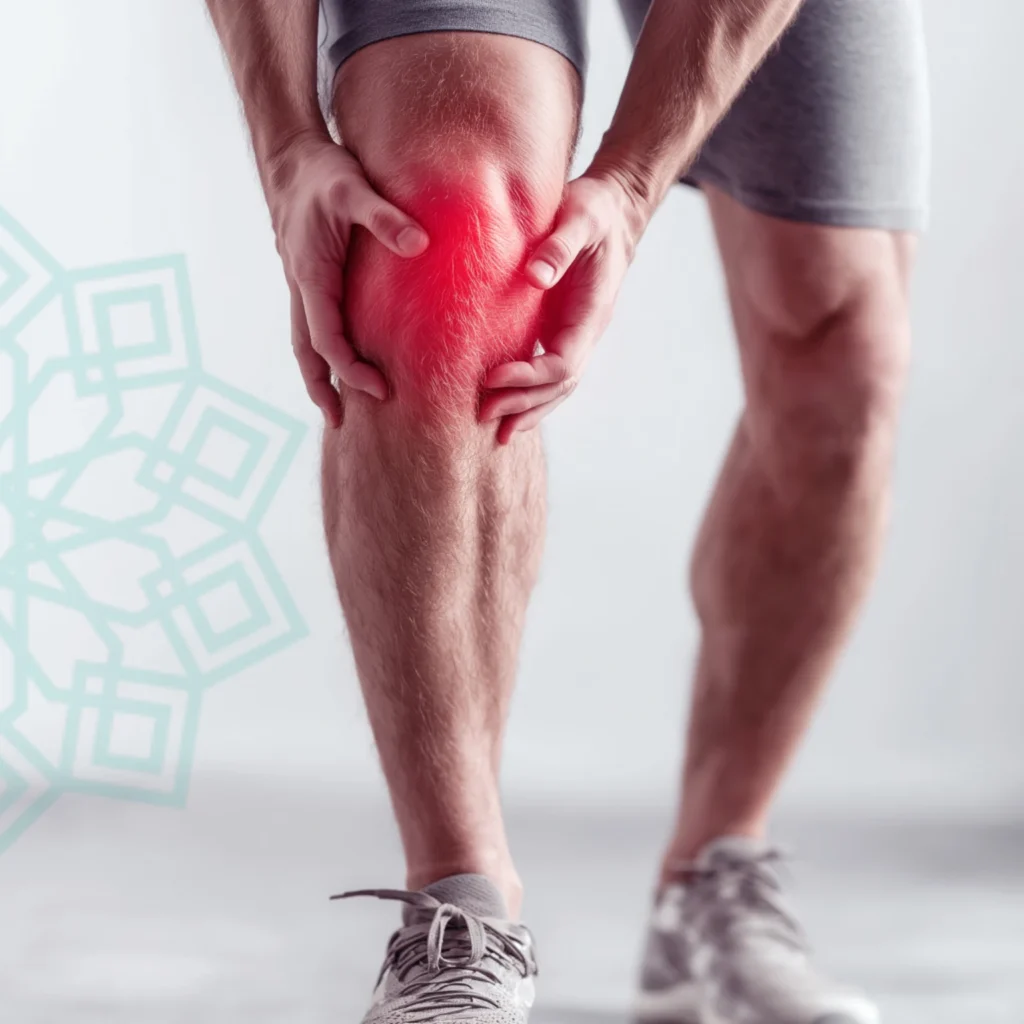
Unlike sudden muscle strains, tendon injuries often build up over time. Tendons are responsible for transferring force from muscles to bones, but they adapt more slowly than muscles.
This gradual nature is one reason tendon recovery feels slow – the damage has often been accumulating before symptoms appear.
Tendons do have a blood supply, but it’s much smaller compared to muscles. Blood delivers the nutrients and oxygen that tissues need to repair and stay healthy.
Because of this, tendon injuries require patience and a structured approach rather than relying on rest alone.
Our instincts may tell us to rest or stretch a painful tendon, but this is often insufficient for true recovery.
Guided physiotherapy ensures that exercises are done safely and effectively, avoiding further irritation.
Tendon rehab programs are simple in theory but can be challenging in practice. Exercises often require repetition, precision, and consistency over several weeks or months.
Tendon injuries take longer to heal because:
Patience, guidance, and adherence to a proper program are essential for returning to pain-free movement.
At Masnad Health Clinic, our physiotherapists specialise in tendon rehabilitation. We focus on:
With the right approach, tendon injuries can heal effectively, helping you regain strength, mobility, and confidence.
If tendon pain is slowing you down or recurring despite rest, an early assessment can provide clarity and a structured plan.
Book your appointment online today
Or call us on (02) 9793 8840
Tendons have limited blood supply and adapt more slowly than muscles, so recovery requires time and structured rehab.
Rest may reduce pain temporarily, but targeted exercises and proper loading are essential for true healing.
Stretching alone usually isn’t enough and can sometimes worsen symptoms. Strengthening and correcting biomechanics are more effective.
Consistently following a personalised rehab program, guided by a physiotherapist, supports safe and faster recovery.
Most benefit from guided rehab to restore strength, flexibility, and prevent re-injury, though minor cases may improve naturally.
Many people live with pain, stiffness, or movement restrictions for weeks, months, or even years before seeking professional help.
Many people live with pain, stiffness, or movement restrictions for weeks, months, or even years before seeking professional help.
Are you in pain? Not sure if we can help you?
Book your initial appointment and receive 10% off any service!